
Section
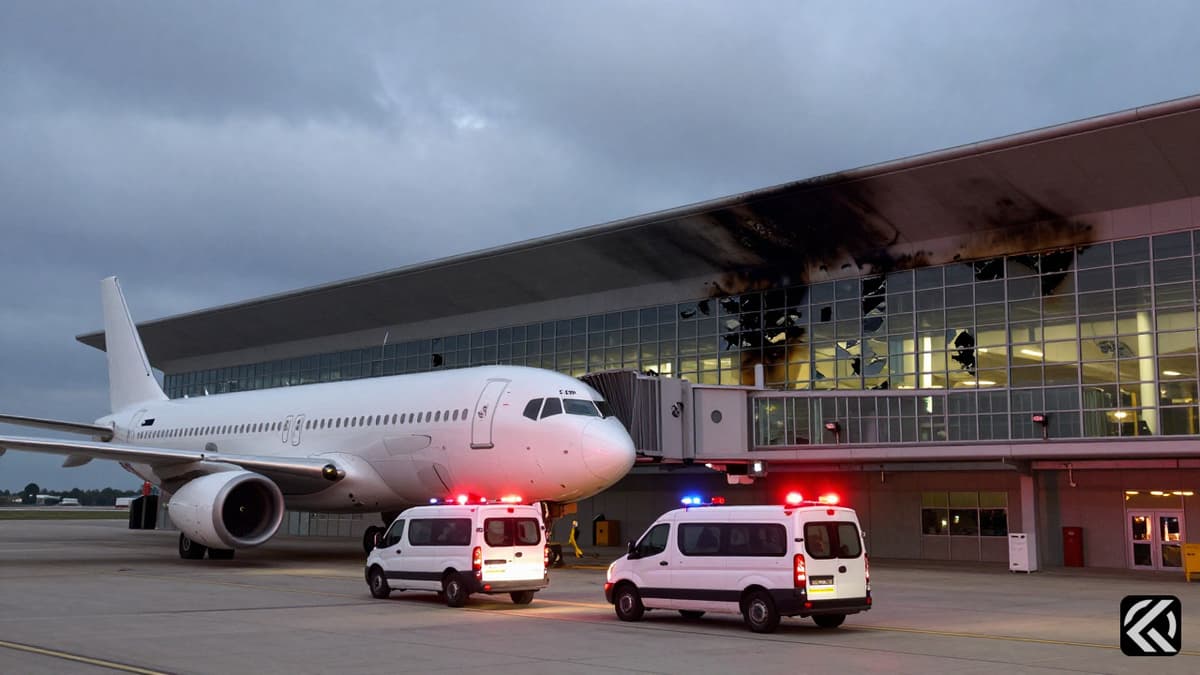
A tragic escalation in West Asia claims another life as Iranian strikes devastate Kuwait’s primary aviation hub, injuring dozens and deepening regional instability.
An Indian national was killed in a deadly attack that targeted Kuwait International Airport, officials confirmed on Wednesday. The Ministry of External Affairs expressed deep sorrow as the death toll of Indian nationals in the region climbs to at least 10 since the outbreak of hostilities between Iran and the US on February 28.
In the immediate aftermath, the Embassy of India in Kuwait issued a statement on X, offering its deepest condolences for the tragic demise. The mission confirmed it is closely coordinating with Kuwaiti authorities to provide all possible support and assistance to the bereaved family and the several other injured individuals involved in the incident.
Kuwait suspended air traffic on Wednesday following Iranian strikes that hit Terminal One, causing significant casualties and extensive damage to airport facilities. Abdullah Al-Rajhi, a spokesperson for the Directorate General of Civil Aviation, was quoted by state-run KUNA news agency stating that air traffic was suspended and flights were diverted to nearby airports until further notice. The strikes inflicted severe damage, disrupting aviation operations across the country.
Dr. Abdullah Al-Sund, the official spokesperson for the Ministry of Health, provided detailed updates on the medical response to the attack. He stated that seven hospitals have received a total of 63 injured individuals so far following the incident targeting the airport. Among these casualties, seven cases required urgent major surgical procedures, in addition to several patients who underwent minor surgeries. Dr. Abdullah noted that the injured pool included civilians, airport workers, and travelers, highlighting the widespread impact on different groups present at the site.
The attack on Kuwait International Airport represents a significant escalation in the conflict. New Delhi strongly condemned the violence on Wednesday, renewing calls for an immediate end to such hostilities. The Ministry of External Affairs (MEA) issued a stern statement emphasizing that civilian populations and civilian infrastructure must not be targeted under any circumstances.
“We condemn the attack on the Kuwait International Airport today in which an Indian national has died and several of our nationals are injured,” the MEA said. This strong language underscores the gravity of the situation and India’s diplomatic stance on protecting its citizens abroad.
Since the onset of the conflict in West Asia, India has consistently urged that civilian population and civilian infrastructure must not be targeted. In its latest statement, the MEA reiterated this position, calling upon all parties to cease such attacks immediately. The government’s response reflects a broader concern for the safety of the Indian community in the volatile region.
“We offer our deepest condolences to the bereaved family. Our Embassy is extending all possible assistance to those injured. We remain in close contact with local authorities for the welfare of Indian nationals,” the MEA added. The ministry confirmed that Indian missions and posts across the region are currently on high alert. These diplomatic outposts continue to proactively support the local Indian community, monitoring the situation closely to ensure their safety and well-being.
This incident is not isolated. Earlier, an Indian national was killed in Kuwait during Iranian strikes on a power and water desalination plant on March 30. The recurrence of such violence against critical infrastructure and public spaces highlights the persistent danger facing civilians in the area. The death toll of 10 underscores the escalating risks associated with the ongoing conflict between Iran and the US.
Kuwait’s decision to suspend air traffic serves as a stark indicator of the severity of the Iranian strikes. The diversion of flights to nearby airports suggests a temporary shutdown of Kuwait’s primary gateway, impacting international travel and trade. The damage to Terminal One and the high number of injuries indicate a coordinated and impactful assault on key national infrastructure.
The MEA’s emphasis on protecting civilian infrastructure aligns with international norms, yet the ongoing nature of the conflict challenges these principles. With 63 individuals injured and treated in multiple hospitals, the medical strain on Kuwait is evident. The involvement of airport workers and travelers in the casualty list points to the indiscriminate nature of the violence, affecting both local residents and international visitors.
India’s diplomatic efforts remain focused on rendering assistance to its citizens. The embassy’s coordination with Kuwaiti authorities is crucial for navigating the complex emergency response. However, the repeated targeting of civilians raises serious concerns about the long-term safety of expatriate communities in the region.
The death of another Indian national and the extensive damage to Kuwait International Airport signal a dangerous trajectory for the West Asian conflict. As hostilities persist, the safety of civilian infrastructure remains critically threatened. India’s diplomatic pressure for ceasefires may intensify, but the physical toll on expatriate communities suggests continued volatility. The diversion of air traffic and widespread injuries highlight the urgent need for de-escalation to prevent further humanitarian crises and regional instability in the coming months.
Jun 11, 2026 17:21 UTC
Bangladesh Opposition Mobilizes Against India-Bangladesh Border Push-Ins and BSF Killings
Join 50,000+ readers getting the global briefing every morning.
No spam. Unsubscribe anytime.
Jun 11, 2026 17:40 UTC
Boelter Pleads Guilty in Minnesota Political Assassinations
Jun 11, 2026 17:21 UTC
Bangladesh Opposition Mobilizes Against India-Bangladesh Border Push-Ins and BSF Killings
Jun 11, 2026 17:21 UTC
John Healey Quits as UK Defence Secretary Over Funding Dispute
Jun 11, 2026 16:19 UTC
UK Defence Secretary John Healey Quits Over Funding Dispute


