
Section
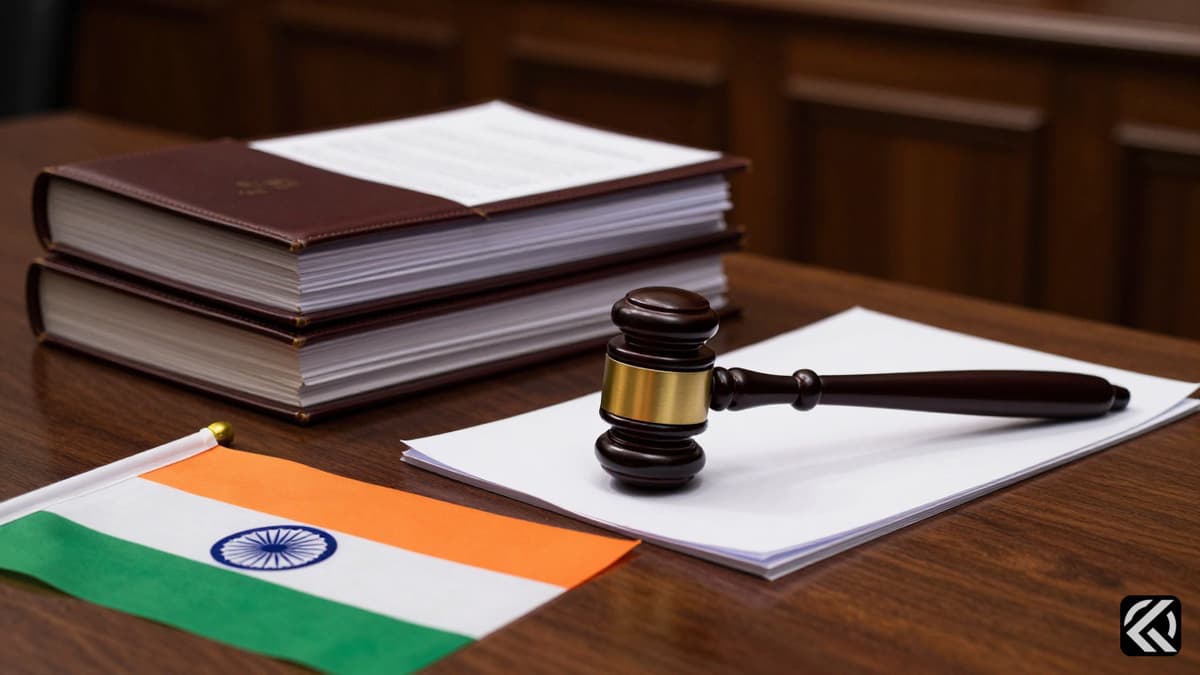
The Supreme Court has elevated the Twisha Sharma case to national scrutiny amid conflicting forensic evidence and intense dowry harassment allegations.
The Supreme Court has taken suo motu cognisance of the death of Noida-based model-turned-actor Twisha Sharma, marking a pivotal escalation in the legal proceedings surrounding her case. This intervention has pushed the matter beyond a local criminal investigation in Madhya Pradesh into a matter of national judicial scrutiny. The case, which began with the 26-year-old’s suspicious death at her in-laws’ home in Bhopal on May 12, has since spiraled into a complex web of allegations, forensic disputes, and public outcry.
The origins of the controversy trace back to December 2025, when Twisha married advocate Samarth Singh. Following their union, she relocated to Katara Hills in Bhopal to live with Samarth and his family. Samarth is the son of Giribala Singh, a retired district judge. The tragedy came to light on May 12 when Twisha was discovered deceased inside the family home. Immediately, conflicting narratives emerged regarding the circumstances of her final hours. CCTV footage from the residence showed Twisha walking toward the terrace, followed by a gap in the video, and later showed three individuals attempting CPR before she was carried downstairs. This missing footage became central to the investigation.
While the accused family maintained that Twisha died by suicide, her relatives alleged she was subjected to severe dowry harassment and mental and physical torture. Her family pointed to injury marks on her body as evidence against the suicide narrative. They argued that Twisha had faced continuous pressure and dowry demands. The case gained wider traction with the release of Twisha’s alleged final messages, including one stating, “I am trapped bro. Bas tu mat phasna.” Her family described this message as clear evidence of the fear and emotional distress she experienced before her death.
The initial postmortem at AIIMS Bhopal indicated hanging as the cause of death but documented multiple antemortem injuries, including blunt-force trauma. These findings complicated the suicide theory and fueled demands for a second autopsy. Investigators also examined the role of a Medical Termination of Pregnancy (MTP) and its potential impact on her emotional state, analyzing hospital records, counseling documents, and WhatsApp exchanges. During the early stages of the probe, Samarth Singh remained untraceable for several days, prompting police to offer a reward for his arrest.
Twisha’s mother-in-law, Giribala Singh, strongly denied all allegations, calling them baseless. She questioned the logic of dowry demands given that her family had provided significant financial gifts to the couple. She criticized the police for acting in haste under public pressure. Despite her anticipatory bail, Samarth Singh’s bail plea was rejected by a Bhopal sessions court. The Madhya Pradesh High Court later directed a second postmortem, which was conducted by a four-member medical board from AIIMS Delhi, bringing external forensic scrutiny to the contested case.
Public pressure mounted as Twisha’s family protested outside the Chief Minister’s residence, demanding an independent CBI probe. They argued that the accused’s legal stature required external oversight. The Madhya Pradesh government eventually recommended the case to the Central Bureau of Investigation. The case took a significant turn when Samarth Singh surrendered at court premises in Jabalpur and was sent to seven-day police remand, allowing investigators to directly interrogate the main accused.
The second postmortem was completed, and Twisha’s body was subsequently cremated in Bhopal. Her father expressed hope that the second examination would reveal the truth. The findings from this autopsy, along with forensic reports, are now critical in determining whether the prosecution will proceed on theories of dowry death, suicide abetment, or homicide. The Supreme Court’s recent suo motu intervention underscores the growing complexity and national interest in resolving the conflicting forensic and testimonial evidence.
The Twisha Sharma case now rests on three competing pillars: suicide, dowry death, and foul play. With the Supreme Court actively monitoring the proceedings and a CBI probe underway, the resolution will likely set a significant precedent for handling dowry-related deaths involving prominent families. The rigorous forensic examination and independent investigation suggest that the legal outcome will depend heavily on whether the antemortem injuries align with the accused’s claims. If the CBI confirms abuse, it may lead to stricter enforcement of dowry laws and increased scrutiny of marital disputes in India. Conversely, if evidence supports the suicide narrative, it may intensify public debate on mental health pressures within marriages. Ultimately, this case will influence how judicial systems balance media pressure, forensic accuracy, and legal process in high-profile criminal matters.
Jun 11, 2026 17:21 UTC
Bangladesh Opposition Mobilizes Against India-Bangladesh Border Push-Ins and BSF Killings
Join 50,000+ readers getting the global briefing every morning.
No spam. Unsubscribe anytime.
Jun 11, 2026 17:40 UTC
Boelter Pleads Guilty in Minnesota Political Assassinations
Jun 11, 2026 17:21 UTC
Bangladesh Opposition Mobilizes Against India-Bangladesh Border Push-Ins and BSF Killings
Jun 11, 2026 17:21 UTC
John Healey Quits as UK Defence Secretary Over Funding Dispute
Jun 11, 2026 16:19 UTC
UK Defence Secretary John Healey Quits Over Funding Dispute


