
Section
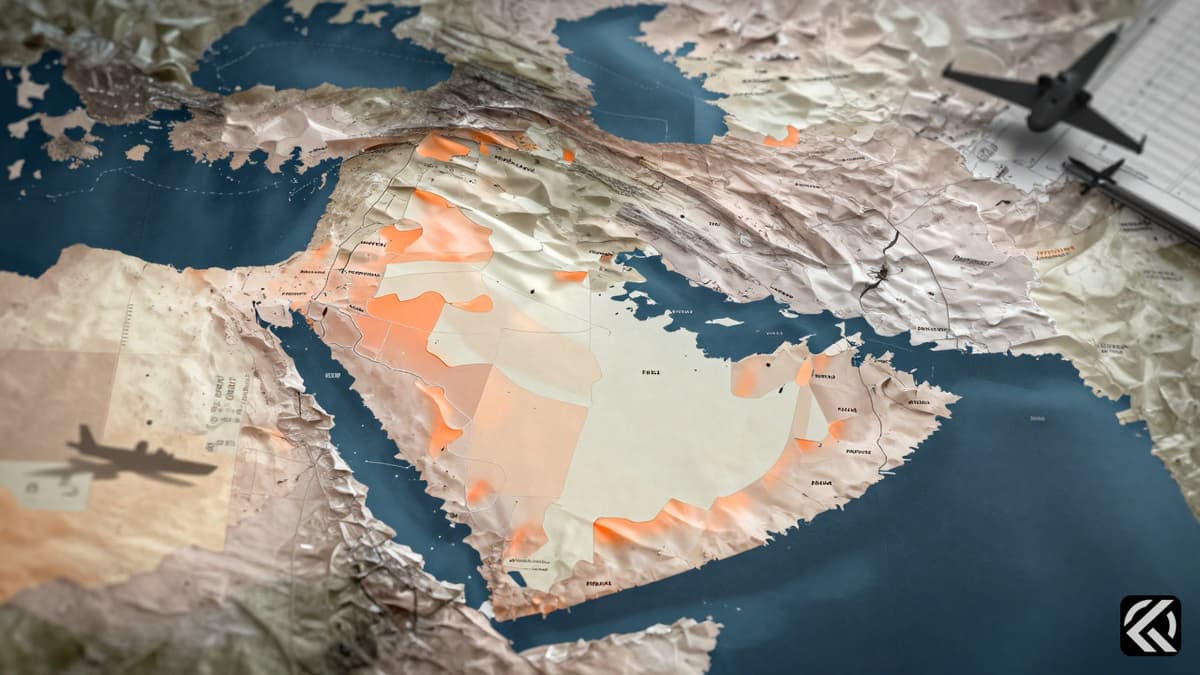
Pentagon officials confirm the financial toll of the Iran conflict has skyrocketed, coinciding with unconfirmed reports of covert Saudi military operations against Tehran.
The financial burden of the ongoing conflict involving the United States and Iran has surged significantly, with Pentagon officials confirming that the cost of the war has reached $29 billion so far. This escalation in financial expenditure coincides with complex diplomatic and military developments across the Middle East, including reports of covert operations by neighboring powers.
According to a Reuters report citing Western and Iranian officials, Saudi Arabia launched multiple covert strikes on Iranian territory in response to previous attacks on the kingdom. These attacks, assessed by Western sources to have occurred in late March, mark the first known instance of Saudi Arabia directly carrying out military operations on Iranian soil. The specific targets of these strikes remain unconfirmed, but the operation signals a significant shift in regional dynamics. The aggressive posture led to diplomatic contacts and threats of further retaliation from Riyadh, eventually resulting in an informal de-escalation by the end of March. This understanding went into effect just before the temporary ceasefire between the US and Iran was announced on April 7.
Amidst these financial and military escalations, Israel has voiced serious concerns regarding the trajectory of the conflict and potential diplomatic resolutions. Multiple Israeli sources told CNN that there is fear US President Donald Trump may strike an agreement with Iran before addressing key issues that originally drove the two countries into war. Israeli officials worry that a deal leaving Tehran’s nuclear program partially intact while bypassing ballistic missiles and support for regional proxies would render the war incomplete in their eyes. Early in the conflict, Trump suggested goals including the destruction of Iran’s ballistic missile program and the shutdown of nuclear facilities. However, negotiations have since focused on uranium enrichment and the reopening of the Strait of Hormuz.
One source familiar with the discussions noted that Israel believes missiles and proxy issues are "probably off the table" in early diplomatic drafts, leading Prime Minister Netanyahu to prioritize uranium as the most immediate threat. A senior Israeli official stated that Israel remains on high alert for a breakdown in talks, adding, “We will be happy if there will be no deal, we will be happy if the siege on Hormuz continues, and we will be happy if Iran gets a few more strikes.” This sentiment underscores the regional anxiety that escalation is a realistic scenario if Iran continues to delay negotiations.
In Washington, President Trump has taken a firm stance against negative media coverage regarding the war. He described reports suggesting Iranians are "doing well" militarily as "virtual TREASON," accusing the media of aiding the enemy. During a flight to China, Trump posted that such statements are false and give Iran false hope. He further pushed the Justice Department to issue subpoenas to reporters covering the war to identify their sources. In a White House meeting, Trump presented a note labeled “Treason” to acting Attorney General Todd Blanche, emphasizing his intolerance for what he perceives as disloyal reporting.
Trump also addressed the financial impact of the war on Americans, stating that he does not think about their financial situation or the stock market as he pursues a peace deal. He emphasized that stopping Iran from acquiring a nuclear weapon is "the most important thing, by far," regardless of economic fluctuations. Trump claimed the US has the situation "very much under control" and that trade, rather than Iran, will be the chief topic of discussion with Chinese leader Xi Jinping, though he expressed confidence in winning the conflict one way or another.
The conflict’s ripple effects are felt across the region. In Lebanon, at least 13 people were killed and two Israeli soldiers injured in cross-border fire despite a fragile ceasefire. Kuwait arrested four members of Iran’s Islamic Revolutionary Guards Corps (IRGC) allegedly attempting to infiltrate the country for hostile acts, an incident Iran denies, calling the allegations baseless. Kuwait summoned the Iranian ambassador to protest, reserving the right to defend its sovereignty. Meanwhile, the United Kingdom is sending autonomous mine-hunting equipment to the Strait of Hormuz, highlighting the ongoing naval tensions.
The convergence of rising war costs, covert Saudi operations, and Israeli apprehensions suggests a fragile peace process. As Trump prioritizes nuclear cessation over broader geopolitical concessions, the potential for a durable resolution diminishes without addressing proxy conflicts. The arrest of IRGC members in Kuwait and ongoing skirmishes in Lebanon indicate that hostilities persist even as high-level negotiations proceed. Future stability will depend on whether diplomatic frameworks can encompass the security concerns of all regional actors, particularly Israel and Gulf states, to prevent further escalation.
Jun 11, 2026 17:21 UTC
Bangladesh Opposition Mobilizes Against India-Bangladesh Border Push-Ins and BSF Killings
Join 50,000+ readers getting the global briefing every morning.
No spam. Unsubscribe anytime.
Jun 11, 2026 17:40 UTC
Boelter Pleads Guilty in Minnesota Political Assassinations
Jun 11, 2026 17:21 UTC
Bangladesh Opposition Mobilizes Against India-Bangladesh Border Push-Ins and BSF Killings
Jun 11, 2026 17:21 UTC
John Healey Quits as UK Defence Secretary Over Funding Dispute
Jun 11, 2026 16:19 UTC
UK Defence Secretary John Healey Quits Over Funding Dispute


