
Section
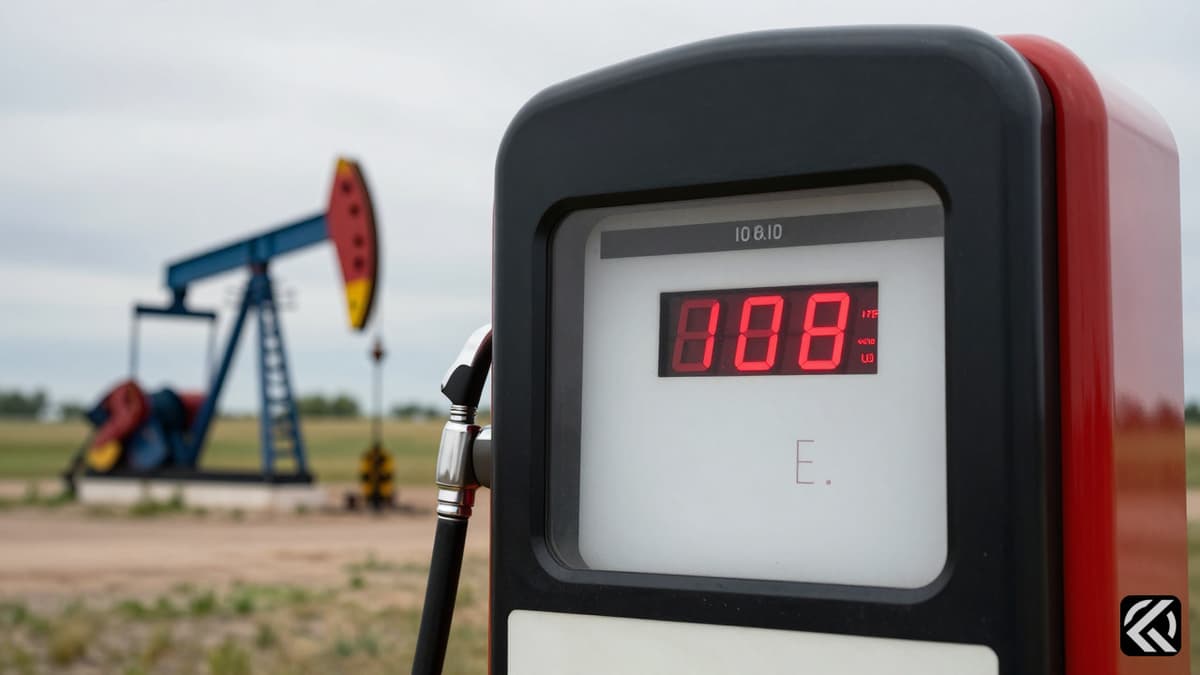
Rural Colorado residents justify soaring fuel costs as a necessary sacrifice to prevent an Iranian nuclear threat, reflecting intense Trump voter loyalty.
WIGGINS, Colorado, May 16 (Reuters) - Amy Van Duyn and Tonyah Bruyette, employees at a Stubs liquor store in the farming town of Wiggins, Colorado, find themselves confronting the tangible reality of rising fuel costs daily. As they monitor the red-and-green gasoline sign outside their window, which displays prices at $4.34 per gallon, they note that this figure represents an approximate 50% increase from levels seen when President Donald Trump returned to the White House last year. Van Duyn, 42, highlights the drastic shift in purchasing power, recalling a time when filling her tank cost $36, whereas that same amount now buys her only half a tank of fuel. Her co-worker, Bruyette, articulates a common sentiment among locals who feel compelled to allocate household funds toward fuel rather than groceries, emphasizing the strain on everyday budgets.
Despite these financial pressures, both women remain ardent supporters of President Trump, reflecting a broader trend among voters in Morgan County, which the president won by a staggering 49 percentage points in the 2024 election. This local steadfastness contrasts sharply with national political dynamics, where Trump’s political fortunes appear to be waning amid a conflict with Iran that has pushed fuel prices nationwide past $4.50 per gallon. A Reuters/Ipsos poll conducted last month revealed that nearly 80% of Americans hold the president responsible for the surge in gasoline costs, signaling significant public dissatisfaction. When questioned about whether economic hardships were motivating him to seek a diplomatic resolution with Tehran, Trump remained firm, stating, “I don’t think about Americans’ financial situation. The only thing that matters when I'm talking about Iran, they can't have a nuclear weapon.”
Democrats quickly utilized Trump’s comments to argue that the administration was losing touch with a public anxious about economic stability. According to a May Reuters/Ipsos poll, only 30% of U.S. adults approved of Trump’s handling of the economy, marking a significant decline from an area that had historically been one of his strongest political assets. However, the narrative shifts dramatically when examining the sentiments along Colorado’s Highway 52, a two-lane road lined with grain elevators, feedlots, and oil pumpjacks. Interviews with voters in Morgan and Weld counties, regions that have not supported a Democratic presidential candidate since 1964, reveal a population willing to endure the current high gas prices if it means eliminating a potential Iranian nuclear threat.
Across these counties, voters expressed a complex mix of pragmatic resignation and ideological alignment. Many noted that energy prices had also spiked under President Joe Biden, suggesting a broader national issue rather than a solely Trump-era phenomenon. Some voters begrudgingly supported the president due to a deep-seated distaste for Democrats, while others expressed faith that Trump possessed a long-term plan to reduce costs. This loyalty serves as a testament to the durable, personal bond Trump has cultivated with his base, enabling him to withstand multiple crises across his two terms. “It feels like he hears us,” Bruyette stated, adding, “that he is fighting for us.”
Jim Miller, a 65-year-old retired commodities broker living in Prospect Valley, embodies this willingness to sacrifice. Describing himself as “half-hippie, half-cowboy,” Miller recalls historical precedents of American resilience, such as the rationing and austerity of World War II. He argues that the current momentary pain of expensive fuel is justified by the imperative to prevent Iran from developing nuclear capabilities. “I struggle, like everybody else does, but I'm willing to sacrifice a little,” Miller said. “That's been totally lost in this country, people's willingness to sacrifice.” This perspective highlights a segment of the electorate that prioritizes national security outcomes over immediate economic relief.
Mike Urbanowicz, a 66-year-old trader in Roggen who operates a farming cooperative moving 150 truckloads of grain daily, offers a more critical but still supportive viewpoint. A political independent who has voted for Trump three times, Urbanowicz acknowledges the negative impact of high gas prices on his industry and described Trump as “naive” for expecting a quick solution. He predicts that prices will remain elevated into the fall, even if peace talks progress. Nevertheless, he prefers the current administration over Democrats, whom he characterizes as moving toward “full-blown socialism.” “I voted for Trump because the alternative is so bad,” he explained, underscoring the pragmatic nature of his support.
In Fort Morgan, the perspective of Lexys Siebrands, a 22-year-old tattoo artist who identifies as a Republican since 2022, illustrates a generational and ideological shift. Having previously identified as a Democrat, Siebrands cited liberal hypocrisy regarding identity politics as her reason for switching allegiance. She views the conflict with Iran as inevitable, noting, “Something was going to happen eventually, whether it was Iran doing something to us or us doing it to them.” Her mother, Jyl Siebrands, 49, shares this view. Though she hates the high gas prices, she fears a nuclear-armed Tehran even more. When asked if there were any “red lines” that might shake her faith in the president, she replied definitively, “No. I'm all on board.” This unwavering support from voters in rural Colorado demonstrates how the administration’s framing of the conflict resonates deeply with its base, even as national polling indicates growing economic fatigue.
The divergence between national economic anxiety and rural strategic prioritization suggests a lasting political realignment in key voting blocs. As long as the administration frames the conflict with Iran primarily as an existential security necessity rather than an economic policy failure, Trump’s core supporters are likely to maintain their loyalty despite personal financial sacrifices. This dynamic could insulate the president from broader economic downturns in future elections, provided the security narrative remains dominant. However, if the conflict extends without a clear resolution or if high gas prices persist for an extended period without visible strategic gains, the current Trump voter loyalty may eventually erode, shifting from pragmatic acceptance to active opposition.
Jun 11, 2026 17:21 UTC
Bangladesh Opposition Mobilizes Against India-Bangladesh Border Push-Ins and BSF Killings
Join 50,000+ readers getting the global briefing every morning.
No spam. Unsubscribe anytime.
Jun 11, 2026 17:40 UTC
Boelter Pleads Guilty in Minnesota Political Assassinations
Jun 11, 2026 17:21 UTC
Bangladesh Opposition Mobilizes Against India-Bangladesh Border Push-Ins and BSF Killings
Jun 11, 2026 17:21 UTC
John Healey Quits as UK Defence Secretary Over Funding Dispute
Jun 11, 2026 16:19 UTC
UK Defence Secretary John Healey Quits Over Funding Dispute


