
Section
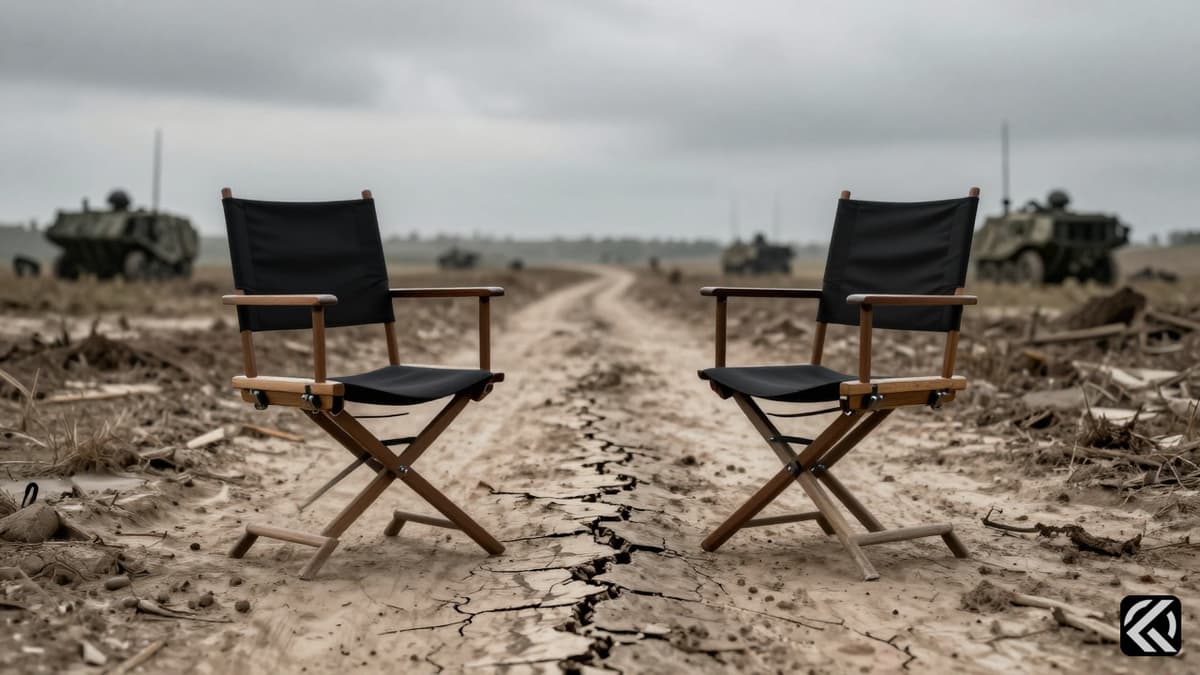
Vladimir Putin dismisses Volodymyr Zelensky’s peace overtures, citing long-term security goals. Ukraine continues military strikes as diplomacy stalls.
Russian President Vladimir Putin has firmly rejected Ukrainian President Volodymyr Zelensky’s recent appeal for face-to-face negotiations to end the conflict, stating there is currently no point in such a meeting. This refusal comes after Zelensky sent an open letter on Thursday urging direct talks, arguing that it is "wrong to simply wait" for the international community, particularly the United States, to re-engage with the war that began with Russia's full-scale invasion in 2022. Putin, speaking at Russia’s annual economic forum in St. Petersburg on Friday, characterized Zelensky’s letter as "rude" and suggested the Ukrainian leader’s true intent was not to establish conditions for a meeting, but to avoid one.
The diplomatic exchange highlights a deepening chasm between Kyiv and Moscow regarding the path to peace. Zelensky’s letter, which also requested a ceasefire, adopted a defiant tone, at times mocking his Russian counterpart. He notably stated that "after 26 years in power, age is beginning to take its toll" on Putin, while drawing attention to recent Ukrainian drone strikes on Russian territory, including a strike on St. Petersburg that he described as "paying a visit." Putin reacted to these remarks by reiterating his longstanding position that a ceasefire would merely allow Ukraine to regroup militarily, rather than lead to genuine peace. He insisted that peace talks must precede any halt in hostilities and that Moscow requires long-term agreements, not temporary pauses of three or six months.
Putin emphasized that military actions would only cease once Russia had achieved its stated objectives. "Military actions will end some day, we assume. Without a doubt, they will end once we have achieved the goals we have set for ourselves," he declared. These goals, Russia has maintained for some time, include Ukraine’s withdrawal from the Donetsk, Luhansk, Kherson, and Zaporizhzhia regions, as well as Kyiv’s abandonment of efforts to join NATO. Conversely, Kyiv has refused to cede any territory, arguing that such concessions would only embolden Moscow to launch future invasions, a warning underscored by Russia’s annexation of Crimea eight years prior to the 2022 escalation.
In response to Putin’s dismissal, Zelensky took to Telegram to describe Russia’s stance, writing that the Russian leader "just doesn’t want to end the war" and that many in the world were disappointed by the response. He accused Russia of "choosing war again." The diplomatic stalemate has coincided with intensified military activity. Ukraine reported on Friday that its forces had struck five ships carrying illegal cargo in the Sea of Azov and coastal waters of occupied territories. Robert Brovdi, Ukraine’s drone commander, identified the vessels as involved in stealing Ukrainian grain and transferring fuel and military supplies.
The incident in the Sea of Azov resulted in fatalities, with Azerbaijan’s foreign ministry confirming that five people were killed in attacks on two of the ships. The ministry did not attribute the attack to a specific party but clarified that the boats did not belong to Azerbaijan. This kinetic development underscores the continuing volatility of the conflict, even as diplomatic channels remain frozen.
While Putin’s response in St. Petersburg was unequivocal, the international reaction has been more varied. The content of Zelensky’s letter had previously raised hopes for peace in certain diplomatic circles, including the White House. US President Donald Trump commented on the situation, stating that it would be "great" if the two leaders were able to meet, signaling a potential, albeit distant, avenue for engagement. However, the immediate reality remains one of entrenched positions.
The rejection of Zelensky’s open letter marks a significant moment in the ongoing Russia-Ukraine war, reflecting the rigid postures adopted by both sides. Putin’s insistence on long-term guarantees and territorial changes, contrasted with Kyiv’s demand for sovereignty and territorial integrity, leaves little room for immediate compromise. The use of rhetorical provocations, such as comments on age and "rude" remarks, has further cooled any potential for back-channel diplomacy.
Meanwhile, the military dimension of the conflict continues to evolve. The Ukrainian strikes on Russian logistics in the Sea of Azov demonstrate Kyiv’s strategy of targeting supply lines and challenging Russian control over occupied coastal regions. The involvement of neutral observers, as seen with the Azerbaijani confirmation of casualties, indicates the broader regional impact of these naval engagements.
The rejection of peace talks by Putin and the continuation of Ukrainian military operations in the Sea of Azov suggest a near-term outlook where diplomatic breakthroughs remain unlikely. Both sides appear entrenched in their respective demands: Moscow on territorial concessions and security guarantees, and Kyiv on defense of sovereignty and international support. Unless external pressures intensify or battlefield dynamics shift dramatically, the status quo of military confrontation with parallel diplomatic rhetoric is likely to persist, keeping regional instability high and humanitarian concerns critical.
Jun 11, 2026 17:21 UTC
Bangladesh Opposition Mobilizes Against India-Bangladesh Border Push-Ins and BSF Killings
Join 50,000+ readers getting the global briefing every morning.
No spam. Unsubscribe anytime.
Jun 11, 2026 17:40 UTC
Boelter Pleads Guilty in Minnesota Political Assassinations
Jun 11, 2026 17:21 UTC
Bangladesh Opposition Mobilizes Against India-Bangladesh Border Push-Ins and BSF Killings
Jun 11, 2026 17:21 UTC
John Healey Quits as UK Defence Secretary Over Funding Dispute
Jun 11, 2026 16:19 UTC
UK Defence Secretary John Healey Quits Over Funding Dispute


