
Section
Official findings confirm the son of late Samajwadi Party founder Mulayam Singh Yadav succumbed to a massive blood clot, sparking forensic scrutiny.
LUCKNOW: The postmortem report of Prateek Yadav, the 38-year-old son of late Samajwadi Party founder Mulayam Singh Yadav, has definitively established that his death was caused by a massive blockage in the blood vessels of the lungs. According to the autopsy findings released in Lucknow, the provisional cause of death was recorded as “cardio-respiratory collapse due to massive pulmonary thromboembolism.” In simpler medical terms, doctors explained that a large blood clot had severely blocked blood flow to the lungs, ultimately leading to the failure of his heart and breathing systems. Prateek Yadav, who was known for maintaining a low public profile despite his prominence in one of Uttar Pradesh’s most powerful political families, passed away in Lucknow on Wednesday.
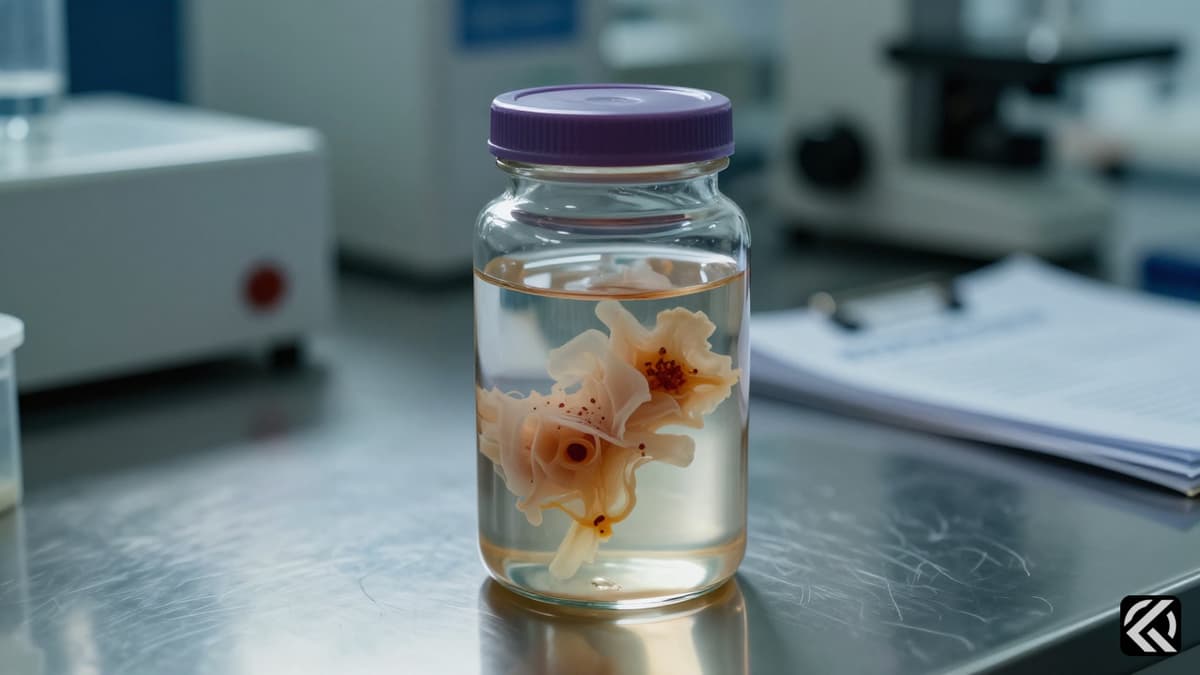
The official document outlines a meticulous forensic process aimed at understanding the full scope of the medical event. The report stated that medical professionals preserved the entire heart and the clot-like material recovered from the lungs in formalin to facilitate a detailed histopathological examination. Additionally, viscera samples were preserved and sent for chemical analysis as part of standard forensic procedure. This step was crucial to rule out any other medical or toxicological factors that might have contributed to the sudden collapse.
Sources indicate that forensic experts are now set to conduct comprehensive laboratory tests on these preserved samples. The primary objective of these tests is to ascertain the exact nature and origin of the clot. Investigators are determined to discover whether any underlying medical condition or external factor played a role in the death. This scientific scrutiny is part of a broader effort to provide a conclusive medical account of the incident that has drawn national attention due to the deceased's political lineage.
The further noted a critical detail regarding the condition of the body: all injuries found on Prateek Yadav were “antemortem,” meaning they had occurred before death. However, officials were careful to indicate that no conclusive inference regarding the nature of those injuries would be drawn until the final forensic and chemical examination reports are received. This cautious approach ensures that no premature conclusions are made about the circumstances surrounding the injuries while waiting for comprehensive lab results.
In the wake of the news, the political landscape in Uttar Pradesh has seen significant reactions. The Samajwadi Party, a major political force in the region, witnessed expressions of grief from its leaders. Prominent among them was Akhilesh Yadav, who commented on the personal toll of such tragedies, noting that “losses in business can break person internally.” This sentiment highlights the personal grief experienced by the family amidst public scrutiny. Additionally, reports surfaced that one year before his death, Prateek Yadav had accused a business partner of Rs 4 crore extortion, adding a layer of complex personal history to the medical narrative.
The preservation of evidence remains a critical phase in the ongoing investigation. By keeping the heart and lung tissues in formalin, authorities ensure that the biological material remains intact for secondary examinations if necessary. The viscera samples sent for chemical analysis are equally vital, as they help paint a complete picture of the body’s physiological state at the time of death. If toxicological agents were involved, the chemical analysis would detect them, thereby ruling out natural causes if they were present.
As the forensic community awaits the final reports, the case remains a subject of intense interest. The detailed histopathological examination of the heart and clots will likely provide the final medical verdict on the pulmonary thromboembolism. Experts will look for specific indicators of how the clot formed, whether it was spontaneous or related to prior health issues, and how it led to the rapid systemic failure. The antemortem injuries, while noted, remain a secondary focus until the chemical and forensic reports clarify their context and timing relative to the fatal clot.
The intersection of medical science and political sensitivity makes this case particularly notable. The family’s prominence ensures that every detail of the autopsy is scrutinized by the public and media. While the immediate medical cause is clear, the underlying factors are still being peeled back layer by layer. The preservation of the heart and viscera allows for multiple experts to review the evidence, ensuring accuracy and transparency in the final conclusion.
The postmortem report has confirmed that Prateek Yadav died from a massive pulmonary thromboembolism, with the heart and lung clots preserved for further study. As forensic experts analyze the viscera to rule out toxicological causes, the final chemical reports will determine if external factors influenced the death. While the injuries were antemortem, their significance depends on the upcoming lab results. This thorough medical inquiry ensures a definitive conclusion, moving beyond the immediate shock of the event to a complete understanding of the circumstances surrounding the prominent political figure's passing.
Jun 11, 2026 17:21 UTC
Bangladesh Opposition Mobilizes Against India-Bangladesh Border Push-Ins and BSF Killings
Join 50,000+ readers getting the global briefing every morning.
No spam. Unsubscribe anytime.
Jun 11, 2026 17:40 UTC
Boelter Pleads Guilty in Minnesota Political Assassinations
Jun 11, 2026 17:21 UTC
Bangladesh Opposition Mobilizes Against India-Bangladesh Border Push-Ins and BSF Killings
Jun 11, 2026 17:21 UTC
John Healey Quits as UK Defence Secretary Over Funding Dispute
Jun 11, 2026 16:19 UTC
UK Defence Secretary John Healey Quits Over Funding Dispute


