
Section
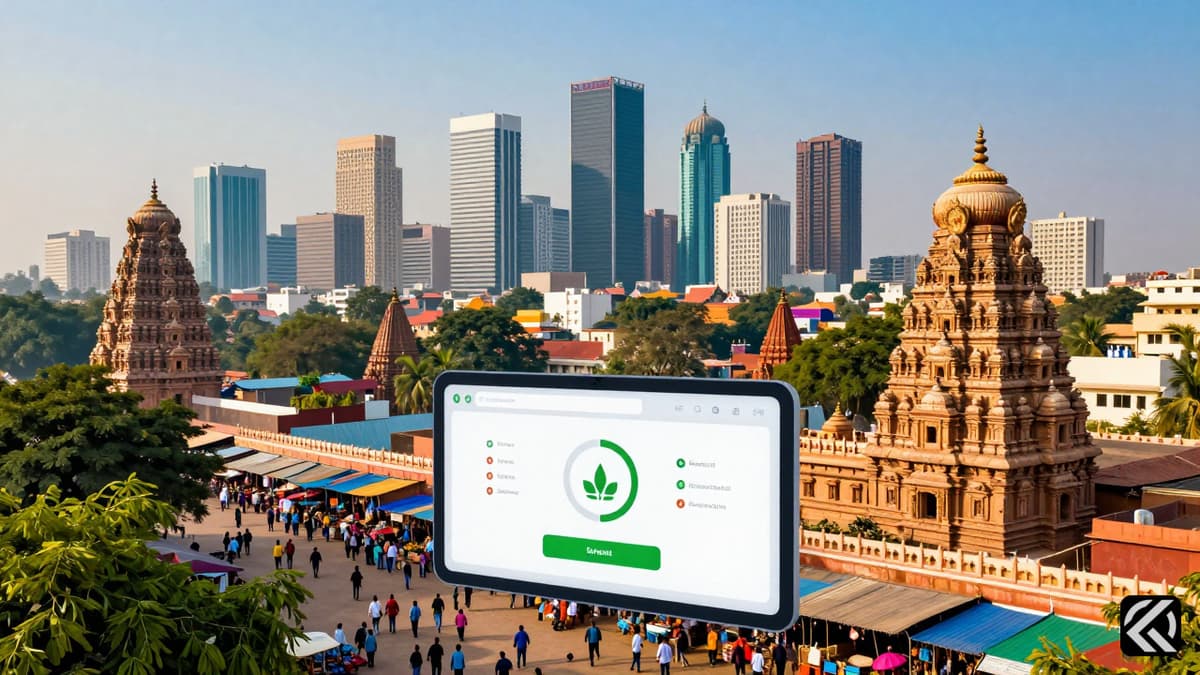
Marking 12 years in office, the PM Modi government celebrates unprecedented infrastructure growth, digital transformation, and global prestige for India.
For the past 12 years, under the leadership of PM Narendra Modi ji, the central government has completed a term dedicated to trust, development, and public welfare. This era, defined by the mantra ‘Sankalp se Siddhi’, has witnessed unprecedented growth in India’s development, security, and economic empowerment. The administration has shifted the nation’s identity from one of uncertainty to one built on self-confidence and good governance.
Before 2014, India struggled with a legacy of weak leadership and corruption, according to the source material. PM Modi redefined politics as a mission of ‘Nation Above Family’, moving away from dynastic politics. This shift initiated a transformation where 'Collective Thinking' evolved into 'Collective Resolve', and ultimately into a 'Viksit Bharat'. This vision is not just political but represents a vast collective dream for the nation’s future.
A central pillar of this transformation has been an unprecedented revolution in infrastructure. Prior to this era, the country faced severe shortages of basic facilities. The current government has addressed this by building more than 12 crore toilets and achieving 100% electrification across the nation. The expressway network has expanded sevenfold, and the number of airports has risen from 74 to 165. These physical changes mark a liberation from a colonial mindset and signify true decolonisation.
This cultural resurgence is further evidenced by the renaming of historic landmarks to Lok Kalyan Marg, Kartavya Path, and Seva Teerth. These changes reflect a revival of cultural nationalism and a shift in national consciousness. The focus has moved from mere survival to strategic empowerment, allowing the country to stand firm on the global stage.
Economically, India is witnessing a massive shift from 'man power' to 'manufacturing power'. The nation is home to more than 2 lakh startups and over 125 unicorns. Today’s youth is increasingly becoming job creators rather than job seekers. This economic revitalization is supported by robust welfare schemes that have lifted 25 crore people above the poverty line.
The foundation of this welfare model relies on four crore permanent houses, Ayushman shields for over 44 crore citizens, and collateral-free loans worth Rs 40 lakh crore under the PM Mudra Yojana. These initiatives ensure that growth is inclusive and reaches the grassroots level. The Jan Dhan-Aadhaar-Mobile trinity has further streamlined these efforts, integrating digital identity with financial services.
Technology has played a crucial role in this empowerment. Driven by UPI, India now processes an incredible Rs 314 lakh crore in annual digital transactions. This achievement grants the country a 49% share of global digital payments, positioning India as a leader in the fintech sector. The seamless integration of technology and finance has democratized access to economic opportunities.
Another significant development is the rise of women-led development. The country is moving from general women development to empowerment where women lead. More than 3 crore ‘Lakhpati Didis’ have emerged as economic agents. Additionally, there has been a fourfold increase in women officers within security forces, reflecting the self-reliance of Nari Shakti. This shift highlights a broader societal change towards gender equality and participation.
Strategic priorities have also shifted towards border development. Areas previously considered India’s ‘last villages’ are now taking center stage as ‘first villages’. This policy ensures that border communities receive adequate infrastructure and security, strengthening the nation’s defensive perimeter while fostering local development.
Culturally, the restoration of heritage sites has reawakened civilizational consciousness. The construction of the grand Ram temple and the restoration of Kashi Vishwanath Dham and Mahakal Mahalok are pivotal moments. These projects are not merely architectural but represent a deep connection to cultural nationalism. They serve as symbols of the nation’s reclaiming of its historical narrative and spiritual heritage.
On the global stage, India has emerged as a superpower. The nation is no longer viewed merely as a regional power but as one of the greatest powers of the 21st century. This global recognition is highlighted by PM Modi receiving the highest civilian honors from 32 countries. Such accolades are described as an honor to eternal Indian thought and the endeavors of 140 crore countrymen.
The narrative of this 12-year period is one of continuous strengthening internally and externally. The government attributes this success to collective trust and resolve. The transformation from a colonial mindset to a self-reliant, confident nation is evident in every sector, from infrastructure to digital payments. The journey toward Viksit Bharat continues, driven by the same principles of service and development.
The completion of 12 years signifies a stable platform for future growth. With infrastructure fully developed and digital payments dominating the global market, India is positioned for sustained economic expansion. The strong foundation of welfare schemes and startup ecosystems suggests a continued rise in manufacturing and technological innovation. Culturally, the emphasis on heritage restoration indicates a long-term strategy of blending tradition with modernity. This dual approach is expected to enhance India’s soft power globally, attracting more international collaboration and investment. The focus on border development and women empowerment will likely further stabilize society and boost inclusive growth in the coming years.
Jun 11, 2026 17:21 UTC
Bangladesh Opposition Mobilizes Against India-Bangladesh Border Push-Ins and BSF Killings
Join 50,000+ readers getting the global briefing every morning.
No spam. Unsubscribe anytime.
Jun 11, 2026 17:40 UTC
Boelter Pleads Guilty in Minnesota Political Assassinations
Jun 11, 2026 17:21 UTC
Bangladesh Opposition Mobilizes Against India-Bangladesh Border Push-Ins and BSF Killings
Jun 11, 2026 17:21 UTC
John Healey Quits as UK Defence Secretary Over Funding Dispute
Jun 11, 2026 16:19 UTC
UK Defence Secretary John Healey Quits Over Funding Dispute


