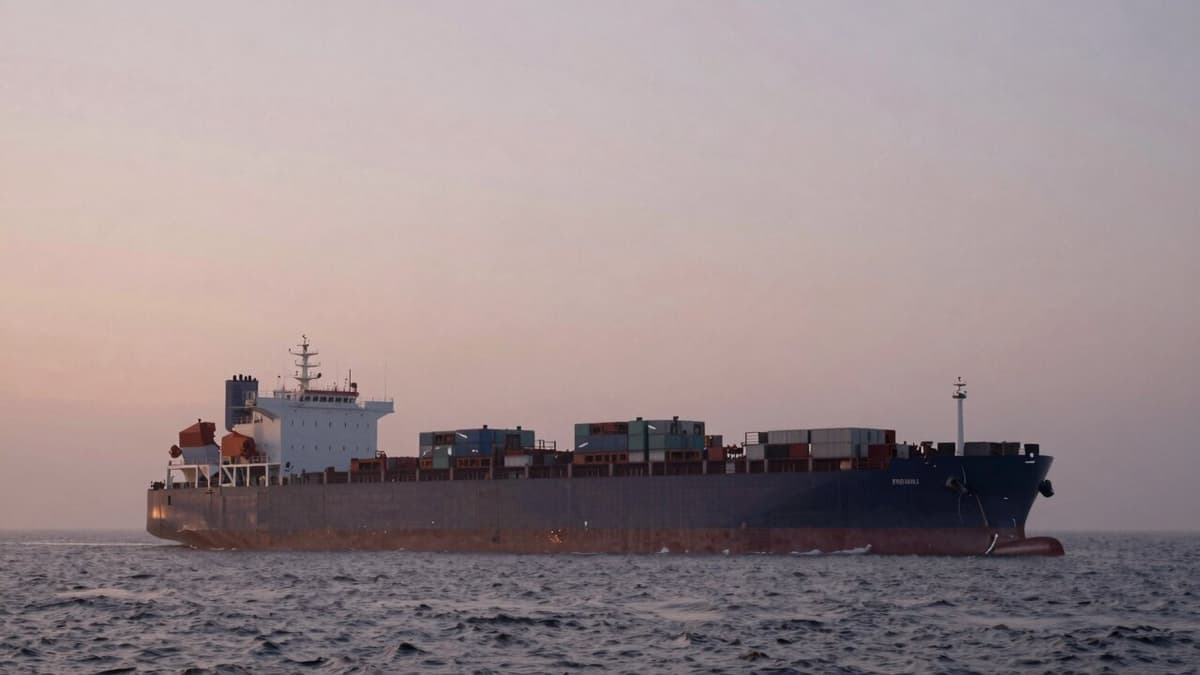
PM Narendra Modi addresses the Lok Sabha on the West Asia Crisis, highlighting the severe disruption to the Strait of Hormuz and safety concerns for 1 crore Indians.
Prime Minister Narendra Modi addressed the Lok Sabha on Monday, providing a comprehensive update on the ongoing crisis in West Asia. The situation, triggered by joint attacks on Iran launched by the United States and Israel on February 28, has plunged the Gulf region into significant turmoil. The Prime Minister emphasized that the continued bombings and strikes across this oil-rich region have created unprecedented challenges for the global economy and the people affected by the conflict.
In his address, PM Narendra Modi highlighted the specific dangers posed by the disruption of the Strait of Hormuz, noting that a large quantity of crude oil, gas, fertilizers, and essential items enters India through this critical waterway. He stressed that since the war began, the movement of ships through this route has become extremely challenging, yet the government is prioritizing the supply of petrol, diesel, and gas to ensure domestic stability. The Prime Minister noted that while the country imports 60% of its LPG requirement, the government has prioritized domestic consumers due to supply uncertainties, while simultaneously increasing domestic LPG production to mitigate risks.
The human cost of this conflict is a major concern for the Indian government. PM Modi pointed out that nearly 1 crore Indians live and work in Gulf countries, including a very high number of Indian crew members on commercial ships. To address these safety concerns, he assured the House that Indian missions are in constant touch with the diaspora and have established 24/7 outreach rooms and emergency helplines in India and affected countries. He reported that since the war began, more than 3,75,000 Indians have returned safely to India, with nearly 1,000 Indians, including over 700 medical students, returning specifically from Iran. Furthermore, in view of the situation, the CBSE has cancelled Class 10 and 12 exams in schools in Gulf countries to ensure students' education continues without disruption.
The Prime Minister reiterated India's diplomatic stance, stating that India has condemned attacks on civilians, energy infrastructure, and transport networks. He emphasized that the blockage of international waterways is unacceptable and that India is continuously making efforts through diplomacy to ensure the safe passage of Indian ships even in this war-like environment. PM Modi mentioned that he has personally spoken to the heads of state of most West Asian countries, urging everyone to de-escalate tensions and end the conflict. He stated that dialogue and diplomacy are the only solutions to this problem, and endangering the lives of anyone in this war is not in the interest of humanity.
The economic implications of the West Asia conflict extend far beyond the immediate region. PM Modi noted that the region where the conflict is taking place is an important route for India's trade with other countries around the world. The situation is described as worrisome, with the conflict having been ongoing for more than three weeks, severely impacting the global economy and people's lives. This has led the world to urge all sides for an early resolution. The Prime Minister highlighted that India has extensive trade relations with countries at war and affected by the conflict, making India's concerns naturally greater. Therefore, it is essential that a unified voice and consensus regarding this crisis reach the world through the Parliament.
The Prime Minister's address underscores the intricate balance India must strike between its strategic interests, energy security, and the welfare of its vast diaspora in the Gulf. With the Strait of Hormuz remaining a critical choke point, the government's focus on ensuring smooth supply chains for petrol and diesel while managing the safety of over 3.75 lakh returning citizens indicates a multi-pronged crisis management approach. Looking ahead, the continued need for diplomacy to prevent further escalation and the reliance on domestic production increases suggest that the economic impact of the conflict will likely persist as long as the tension in West Asia remains unresolved. The international community's call for a unified voice and early resolution, echoed by India's leadership, points to a future where diplomatic channels must remain active to prevent long-term disruptions to global trade and energy markets. As the conflict continues to evolve, the safety of Indian nationals and the stability of essential supplies will remain the central pillars of India's response strategy in the coming weeks.
May 7, 2026 17:24 UTC
Iran Enforces New Maritime Rules for Hormuz Transit
Join 50,000+ readers getting the global briefing every morning.
No spam. Unsubscribe anytime.
May 7, 2026 19:54 UTC
Mahua Moitra Targets Sloganeers After Flight Incident
May 7, 2026 19:41 UTC
Court Rejects Hegseth’s Bid to Punish Kelly for Speech
May 7, 2026 17:29 UTC
Samrat Choudhary Becomes First BJP Chief Minister of Bihar
May 7, 2026 17:24 UTC
Iran Enforces New Maritime Rules for Hormuz Transit


