
Section
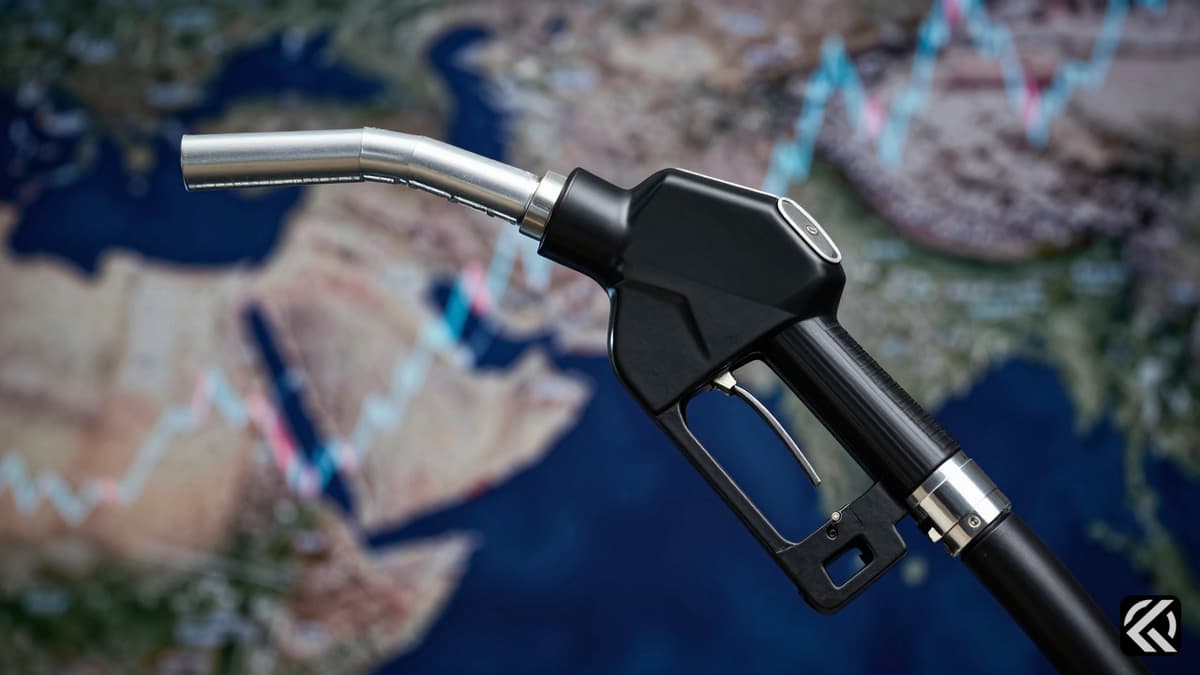
Oil-marketing companies hike fuel prices by ₹3 per litre amid West Asia conflict concerns. Delhi CNG rates also rise as crude oil prices soar over 50%, impacting daily costs.
Oil-marketing companies have implemented a significant Petrol price hike this Friday morning, raising the cost of both petrol and diesel by ₹3 across all available variants. This substantial adjustment comes amid mounting pressure on fuel supplies, a situation exacerbated by the ongoing conflict in West Asia and related industry concerns regarding under-recoveries. The hike is comprehensive, extending to both the regular variants of petrol and diesel alongside premium and high-octane products, signaling a broad-based response to volatile global market conditions.
The immediate impact of these price adjustments is felt acutely in the national capital, where the Delhi CNG rate has also been increased by ₹2 per kilogram. As of the latest update, compressed natural gas in Delhi is now priced at ₹79.09 per kg. This increase applies uniformly, with the hike quantum fixed at ₹2 per kg across the board, although effective final rates may vary slightly depending on specific station charges. However, the core increase remains consistent, reflecting the broader trend of rising energy costs for consumers.
The Diesel price hike mirrors the upward trajectory of petrol, with both fuels seeing identical increases. In Delhi, the price of the regular variant of petrol has now climbed to ₹97.77 per litre. Prior to this adjustment, the price stood at ₹94.77 per litre. Similarly, the cost of diesel for every litre has risen to ₹90.67, up from its previous rate of ₹87.67 per litre. These figures represent a direct transfer of rising import costs to the end consumer, driven by the urgent need for oil-marketing companies to manage their financials.
Beyond the regular variants, the price hikes extend to premium and high-octane offerings. The premium variant, specifically identified as IndianOil’s XG, is now priced at ₹95.99 per litre in Delhi, an increase from ₹92.99 per litre before the hike. Similarly, the high-octane XP95 variant has seen a price adjustment, now costing ₹104.88 per litre, having increased from ₹101.89 per litre. These targeted increases in the premium segment suggest that oil companies are seeking to balance their revenue streams across different product tiers as they navigate the current economic landscape.
At the federal level, government officials have acknowledged the severity of the situation. Earlier this week, speaking at an industry conclave, Union Petroleum Minister Hardeep Singh Puri expressed apprehension regarding the ability of oil-marketing companies (OMCs) to hold steady amidst the significant losses they are incurring. He highlighted that OMCs are staring at under-recoveries of up to ₹2 lakh crore in the ongoing quarter. Furthermore, losses are expected to scale to about ₹1 lakh crore, underscoring the financial strain on the industry.
The root cause of this financial pressure lies in the dramatic surge in international oil prices. The war in West Asia has sent these prices soaring by over 50%. Historically, the basket of crude oil that India imports averaged $69 per barrel in February, before the conflict in West Asia broke out. However, in the subsequent months, this average jumped significantly to $113-114 per barrel. This sharp increase in the cost of raw materials has left little room for OMCs to absorb costs, forcing them to pass these expenses on to consumers through direct price hikes.
The convergence of geopolitical instability and economic strain has created a volatile environment for energy markets globally. With the war in West Asia driving international oil prices up by over 50%, the average cost of imported crude has nearly doubled from its February levels. This dramatic shift from $69 to $113-114 per barrel has fundamentally altered the economic calculus for oil-importing nations like India. The immediate result is the ₹3 per litre increase in petrol and diesel, alongside the ₹2 per kg rise in Delhi CNG rates. Looking ahead, if the conflict persists or intensifies, the predicted under-recoveries of up to ₹2 lakh crore for OMCs may expand further. Consumers can expect continued volatility in fuel prices, as companies struggle to maintain stability amidst losses expected to scale to ₹1 lakh crore. The reliance on stable global crude prices makes the energy sector highly susceptible to international conflicts, suggesting that unless diplomatic resolutions are found, fuel costs will likely remain elevated, impacting both individual households and the broader industrial economy.
Jun 11, 2026 17:21 UTC
Bangladesh Opposition Mobilizes Against India-Bangladesh Border Push-Ins and BSF Killings
Join 50,000+ readers getting the global briefing every morning.
No spam. Unsubscribe anytime.
Jun 11, 2026 17:40 UTC
Boelter Pleads Guilty in Minnesota Political Assassinations
Jun 11, 2026 17:21 UTC
Bangladesh Opposition Mobilizes Against India-Bangladesh Border Push-Ins and BSF Killings
Jun 11, 2026 17:21 UTC
John Healey Quits as UK Defence Secretary Over Funding Dispute
Jun 11, 2026 16:19 UTC
UK Defence Secretary John Healey Quits Over Funding Dispute


