
Section
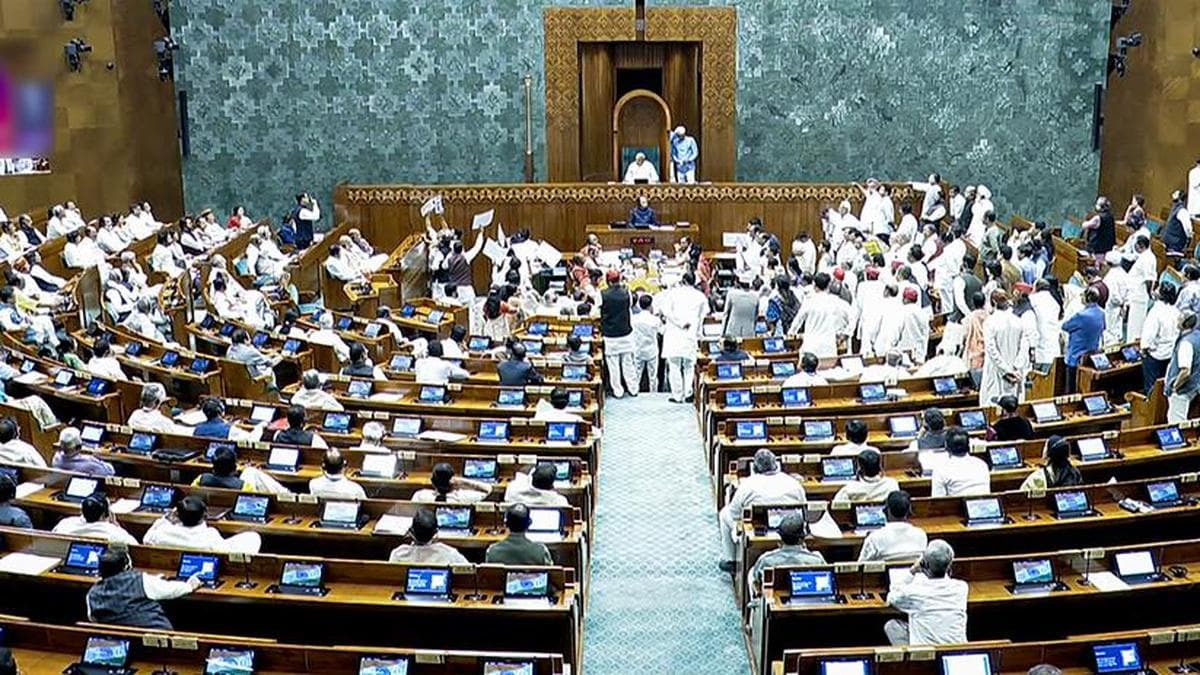
A heated standoff defines the Budget Session as parliamentary proceedings are repeatedly adjourned due to conflicting priorities between the government and the Opposition bloc.
The recent resumption of the Lok Sabha during the Budget Session has been marred by significant procedural deadlock, highlighting a sharp divide between the ruling government and the Opposition. On Monday, March 9, 2026, the House failed to take up a critical resolution seeking the removal of Speaker Om Birla. This failure occurred despite repeated adjournments, driven by the Opposition's insistence on addressing the West Asia crisis first. The situation underscores a contentious battle over parliamentary priorities, with the government prioritizing internal disciplinary matters while the Opposition argues for urgent national security and economic concerns regarding the ongoing war in the region.
The leadership within the House has taken a firm stance against the Opposition's tactics. Parliamentary Affairs Minister Kiren Rijiju characterized the behavior of the Opposition parties as "irresponsible," suggesting a lack of understanding regarding the basic ethics and rules of the House. According to sources, the government is unlikely to concede to the Opposition's demand for an immediate debate on foreign policy. This position is reinforced by External Affairs Minister S. Jaishankar, who has already delivered a suo motu statement on the West Asia issue in both Houses of Parliament.
The government intends to proceed with the resolution seeking the removal of Speaker Om Birla as the primary agenda item. Key figures such as Home Minister Amit Shah and Kiren Rijiju are expected to speak on this matter. In response, the Congress party plans to field senior leadership, including Deputy Leader Gaurav Gogoi and Manish Tewari, to contest the resolution. This procedural standoff suggests that the government views the removal of the Speaker as a matter of constitutional order before engaging in broader policy discussions.
Conversely, the Indian National Developmental Inclusive Alliance (INDIA) bloc has maintained an uncompromising position regarding the crisis in West Asia. They argue that the ongoing war has profound implications for nearly 10 million Indians living in the region. The Opposition believes that energy security and the economic fallout are immediate priorities that cannot be sidelined by internal parliamentary disputes.
Ahead of the proceedings, senior leaders of the INDIA bloc met at Congress president Mallikarjun Kharge’s office to strategize their next course of action. Following this meeting, MPs protested outside the main entrance to Parliament, signaling a willingness to escalate pressure if the House does not accommodate their demands. The Opposition has shown no signs of relenting, insisting that a full-fledged discussion is necessary before any other business can be transacted.
Rahul Gandhi, the Leader of Opposition in the Lok Sabha, adopted a more aggressive tone during his evening remarks within the Parliament complex. He framed the conflict in West Asia as an attempt to create a paradigm shift that could result in major economic losses for India. Gandhi questioned the Prime Minister’s position, alleging that fuel prices and potential economic devastation are critical issues being ignored by the administration.
Furthermore, Gandhi pointed to recent stock market fluctuations and the government's signing of a U.S. trade deal as factors contributing to a massive hit for the country. He suggested that the government's reluctance to discuss the West Asia crisis stems from a desire to avoid scrutiny regarding how the Prime Minister is being blackmailed or positioned in relation to international conflicts. This rhetoric adds a layer of economic anxiety to the political maneuvering, framing the debate as one of national survival rather than just procedural protocol.
The atmosphere in the Lok Sabha was volatile, with proceedings beginning only after multiple interruptions. Jagadambika Pal, who chaired the session, accused Opposition MPs of holding the House proceedings "hostage" to their demands. Describing the behavior as immature and driven by a political agenda, Pal highlighted the financial cost of these disruptions, estimating that taxpayers are losing approximately ₹9 crore per day during such adjournments.
The House was eventually adjourned for the day shortly after reassembling at 3 p.m., following two earlier adjournments. This cycle of disruption indicates that without a compromise on the agenda order, the Budget Session faces significant hurdles in achieving its legislative objectives. The clash between Jagadambika Pal's accusations of wasting public funds and the Opposition's insistence on their political agenda encapsulates the current friction within the legislature.
The current parliamentary session illustrates a deep rift between the executive's focus on internal procedural resolutions and the Opposition's demand for immediate foreign policy discourse. With Rahul Gandhi criticizing the Prime Minister's economic strategy and Kiren Rijiju defending parliamentary ethics, the path forward remains uncertain. As the INDIA bloc prepares for further meetings to decide their next steps, the House continues to grapple with the balance between political accountability and legislative efficiency during a time of global crisis.
Jun 13, 2026 07:25 UTC
Trump Blames Iran for Attacks on Indian Ships
Jun 13, 2026 04:59 UTC
Abbas Araghchi Details Draft U.S. Deal Amidst Donald Trump's Drone Accusations
Jun 13, 2026 03:39 UTC
Jaishankar Lodges Strong Protest Over US Navy Attacks on Indian Crew
Jun 13, 2026 02:22 UTC
Border Guard Bangladesh Challenges BSF Over Immigrant Pushbacks
Jun 13, 2026 10:01 UTC
Rajnath Singh Hails Indigenous Shield as Game Changer


