
Section
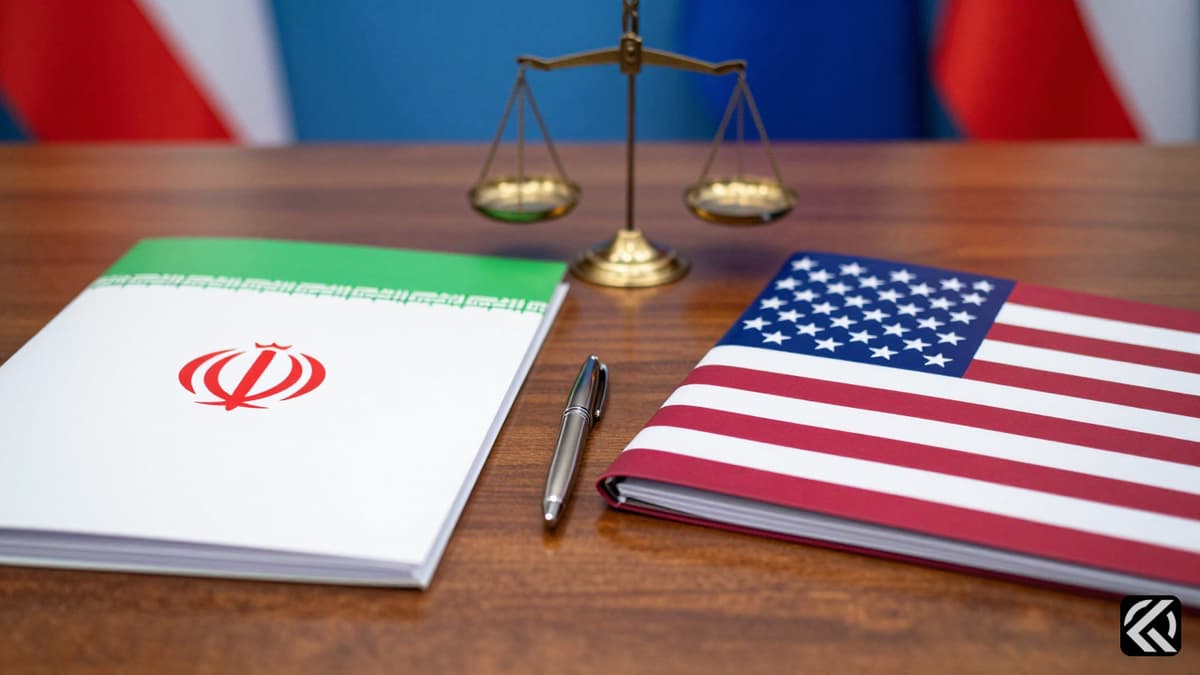
Islamabad’s diplomatic efforts are under intense pressure as the US-Iran truce nears collapse and Washington questions Pakistan's impartiality in high-stakes mediation.
Islamabad is facing mounting international scrutiny as it attempts to salvage diplomacy between the United States and Iran, a critical effort that appears increasingly precarious. The Pakistani Foreign Ministry firmly rejected allegations that it had provided sanctuary to Iranian military aircraft to protect them from potential US strikes, insisting such claims are misleading. This denial comes as the fragile US Iran ceasefire brokered by Islamabad teeters on the brink of collapse following significant diplomatic setbacks.
The tension escalated sharply after US President Donald Trump characterized the month-old truce as being on “massive life support.” In a dismissive gesture, Trump rejected Iran’s latest peace proposal, describing it on his Truth Social platform as “TOTALLY UNACCEPTABLE” and a “piece of garbage” he had not even finished reading. His comments followed a CBS News report alleging that Iran had moved several military aircraft, including an RC-130 reconnaissance plane, to the Pakistan Air Force Base Nur Khan near Rawalpindi after the April 8 ceasefire, potentially shielding them from American attacks.
Pakistan’s Foreign Ministry responded on Tuesday by labeling the report “sensationalised” and “speculative,” stating that the aircraft had arrived solely for diplomatic logistics linked to talks in Islamabad on April 11. The ministry emphasized that both Iranian and US aircraft used the base and that any significant foreign military presence would be impossible to hide. They asserted that Pakistan has “consistently acted as an impartial, constructive and responsible facilitator” throughout the process.
Despite these denials, unease persists in Washington. A CNN report indicated that some Trump administration officials believe Pakistan is sharing a “more positive version of the Iranian position with the US than what reflects reality.” These officials questioned whether Islamabad was “aggressively conveying Trump’s displeasure” to Tehran. A Pakistani official, speaking anonymously to Al Jazeera, defended their stance, stating that objective mediation requires impartiality rather than pushing agendas or earning political capital.
Political pressure is mounting domestically within the US. Senator Lindsey Graham, a close ally of Trump, called for a “complete reevaluation” of Pakistan’s mediator role, expressing that he “would not be shocked” if the CBS report proved accurate. However, analysts suggest these allegations may not significantly damage Islamabad’s position. Syed Ali Zia Jaffery, deputy director at the Centre for Security, Strategy and Policy Research at the University of Lahore, noted that delivering a ceasefire in an environment marred by distrust was a significant achievement. He argued that as long as both Tehran and Washington view Islamabad as a dependable facilitator, the controversy will have limited impact.
The immediate trigger for the current diplomatic impasse is the rejection of an Iranian peace proposal delivered through Pakistan on Sunday. According to Iranian state media, Tehran’s terms included US war reparations, full sovereignty over the Strait of Hormuz, an end to sanctions, and the release of frozen assets. Crucially, Iran insisted that nuclear negotiations be deferred until after these conditions were met.
Trump’s reaction was swift and harsh. Describing the situation in the Oval Office with a grim analogy, he said it was like a doctor informing a patient that their loved one has a “1 percent chance of living.” Iranian officials pushed back, with Foreign Ministry spokesman Esmaeil Baghaei calling the proposal “reasonable and generous.” Meanwhile, Parliament Speaker Mohammad Bagher Ghalibaf adopted a defiant tone, stating that armed forces are prepared to respond to any aggression and that there is “no alternative but to accept the rights of the Iranian people.”
The core disagreements remain stubbornly fixed. Washington demands that Iran explicitly abandon its nuclear programme and surrender its stockpile of uranium enriched to 60 percent. Tehran, however, maintains that nuclear negotiations can only proceed after the lifting of sanctions and the end of the US naval blockade imposed on its ports on April 13. Since the Islamabad talks ended without an agreement on April 12, Pakistan has largely acted as a courier, carrying proposals between the two sides who have not met directly since.
Diplomatic activity has continued through other channels. On May 4, Pakistani Foreign Minister Ishaq Dar spoke with Iranian Foreign Minister Abbas Araghchi regarding mediation efforts. Islamabad also facilitated the evacuation of 22 crew members from the captured Iranian ship MV Touska to Pakistan as a confidence-building measure. Additionally, Qatar has offered support, with US Secretary of State Marco Rubio meeting Qatari leadership in Miami, where Doha pledged backing for “mediation efforts led by Pakistan.”
Experts warn that while full-scale war may not be imminent, the risk of harassment and interdiction along the Strait of Hormuz is intensifying. Analyst Muhanad Seloom noted that “narrow kinetic action” against IRGC assets is likely, calibrated so Iran can absorb the blow without striking US bases. This suggests the US is focusing on operational control of the strait rather than regime confrontation.
As the situation evolves, Trump is expected to discuss the crisis with Chinese President Xi Jinping during a visit to Beijing. China, Iran’s largest economic and strategic partner, has reaffirmed its “strategic partnership” with Tehran and called for a diplomatic solution. Araghchi is also set to attend a BRICS foreign ministers meeting in India, engaging with diplomats from Saudi Arabia and Egypt who are involved in backchannel diplomacy.
Pakistan’s diplomatic leverage remains intact despite political friction, as both Washington and Tehran continue to rely on Islamabad as a neutral intermediary. The involvement of additional parties like Qatar and China raises the cost of collapse for all stakeholders, potentially stabilizing the ceasefire in the short term. However, the fundamental disconnect between US demands for nuclear disarmament and Iranian prerequisites for sanction relief suggests that a comprehensive agreement remains elusive. Without a breakthrough in these core negotiations, the region faces prolonged instability, with Pakistan’s role becoming increasingly critical yet increasingly vulnerable to external political pressures.
Jun 11, 2026 12:59 UTC
US Strike on Settebello Kills Indian Sailors Amid Strait of Hormuz Tensions
Jun 11, 2026 12:49 UTC
Air India Flight 171 Crash Sparks Debate Over Boeing 787 Dreamliner Faults
Jun 11, 2026 08:51 UTC
US-Iran Conflict: Indian Seafarers Killed in Gulf Strike
Jun 11, 2026 18:04 UTC
Healey Quits Government Over Defence Spending Dispute


