
Section
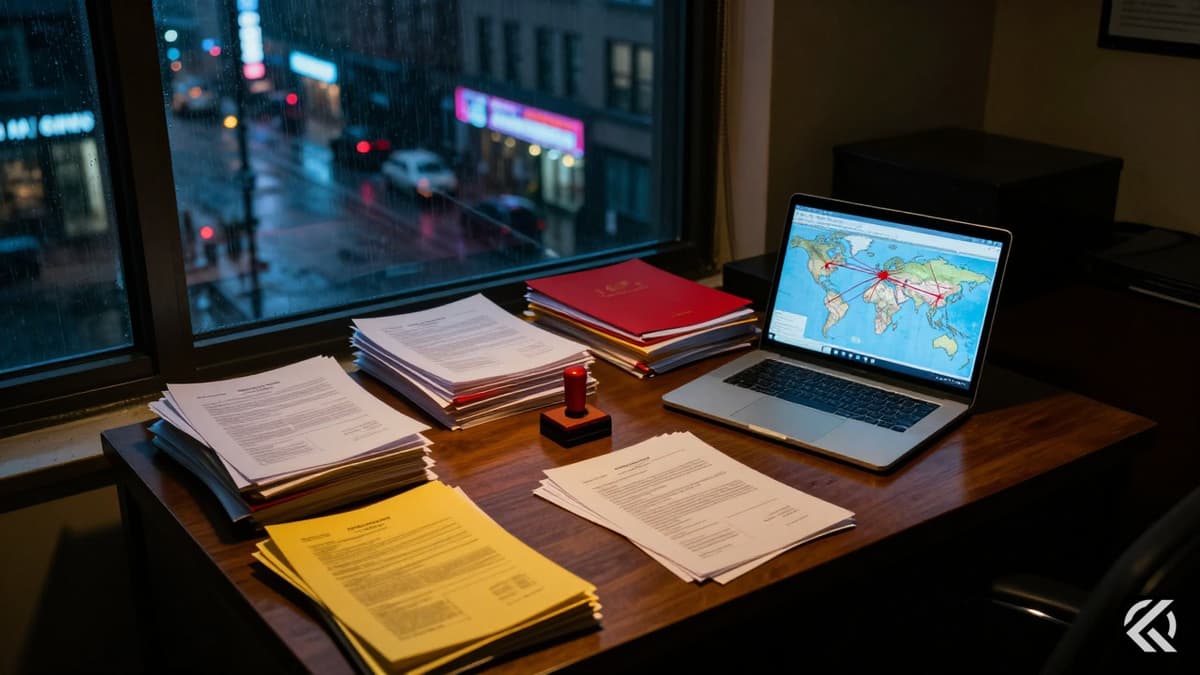
A US jury has convicted a New York man of operating the first known secret Chinese police station in the US, signaling an intense federal crackdown on foreign surveillance.
The conviction of Lu Jianwang marks a pivotal moment in the fight against foreign influence operations on American soil. A federal jury found that the 64-year-old New York resident helped establish and run what is being described as the first known secret police station in the United States, operating on behalf of the Chinese government. This legal victory by the Department of Justice underscores the intensity of federal efforts to dismantle overseas surveillance networks.
The station was located in Manhattan’s Chinatown, occupying an entire floor above a ramen stall. Jianwang, also known by the alias Harry Lu, opened the facility in early 2022 to serve China’s Ministry of Public Security (MPS). Prosecutors alleged that the primary function of this outpost was not to provide civic services, but to monitor and target political dissidents. The FBI initiated an investigation into the facility, which ultimately led to its closure in the autumn of 2022. The swift action by federal agents prevented what authorities described as a sustained period of unauthorized surveillance and intimidation against Chinese nationals living in the US.
Jianwang was found guilty on multiple charges, including acting as an illegal agent of a foreign government and obstruction of justice for destroying evidence related to the station's operations. He now faces a potential sentence of up to 30 years in prison. The case highlights the severe legal consequences for individuals who facilitate foreign political agendas within the US. In a statement regarding the conviction, James C Barnacle Jr., the FBI’s assistant director in charge, emphasized the malicious intent behind the operation. "Lu Jianwang used a police station in New York City to target PRC dissidents in furtherance of the Chinese government's political agenda," Barnacle stated, framing the conviction as a critical step in protecting American communities from foreign interference.
The operational details of the station reveal a sophisticated attempt to bypass diplomatic scrutiny. By situating the office in a residential and commercial mix of Chinatown, the operation aimed to blend into the community while conducting activities far outside the scope of legitimate consular work. The facility was part of a broader, global network. Rights groups have reported at least 100 such stations across 53 countries. These outposts have been accused of threatening and monitoring Chinese nationals abroad, as well as identifying pro-democracy activists residing in the US. The Manhattan location was not an isolated incident but a node in a vast international apparatus designed to extend Beijing’s reach into Western democracies.
China has consistently denied that these outposts are police stations, labeling them instead as "service stations" that provide administrative support to nationals overseas. Officials in Beijing claim these services include pandemic assistance and driver’s license renewals. However, the evidence presented in the Jianwang case and the broader pattern of activities in other countries contradict this narrative. The US government and international human rights organizations argue that these locations are used for intimidation, data collection, and the suppression of dissent. The conviction of Jianwang serves as a stark rebuttal to Beijing’s claims, demonstrating that these facilities are indeed instruments of political control rather than public service.
The legal proceedings against Jianwang were accompanied by similar actions against other individuals accused of similar roles. His co-defendant, Chen Jinping, pleaded guilty in December 2024 to conspiring to act as an agent of the People’s Republic of China in connection with the overseas police station. Jinping is currently awaiting sentencing, and his guilty plea provides further insight into the organizational structure and intent behind the network. The timing of these convictions is significant, occurring just a week after a California mayor resigned after being charged with acting as an illegal agent of China. This series of events suggests a coordinated federal strategy to identify and prosecute individuals involved in foreign influence operations across the country.
The impact of the Jianwang conviction extends beyond the individual penalties. It sends a clear message to anyone considering facilitating similar operations within the United States. The federal government is actively monitoring and investigating foreign influence activities, particularly those linked to the Chinese government. The use of the term "secret police station" in the indictment highlights the aggressive nature of the US response to such threats. Authorities are no longer treating these operations as diplomatic oversights but as criminal enterprises that compromise national security and public safety.
Furthermore, the case sheds light on the methods used by foreign governments to exert pressure on diaspora communities. The targeting of PRC dissidents, as noted by the FBI, indicates a strategy of silencing criticism before it can gain traction in the international arena. By operating out of the US, these agents can monitor communications, track movements, and intimidate individuals who oppose the Chinese government. The shutdown of the Chinatown station was a critical blow to this strategy, disrupting the flow of information and reducing the capacity for surveillance in a key demographic center.
As the legal process continues, with Jianwang facing up to 30 years in prison and Jinping awaiting sentencing, the broader implications for US-China relations remain complex. However, within the context of domestic law enforcement, the case is viewed as a success. It demonstrates the capability of US agencies to penetrate and dismantle foreign intelligence-gathering networks on American soil. The collaboration between federal investigators, prosecutors, and international partners has resulted in the exposure of a significant threat to democratic values and individual liberties.
The narrative of this case is further enriched by the global context of these "service stations." With over 100 such locations reported worldwide, the Jianwang case is merely one piece of a larger puzzle. Rights groups have long accused China of using these outposts to monitor and harass citizens abroad. The conviction in New York provides tangible evidence to support these allegations, moving the discussion from speculative reports to confirmed criminal activity. It validates the concerns of activists and communities who have long feared the reach of the Chinese security apparatus.
The conviction of Lu Jianwang represents a definitive legal and political victory against foreign influence operations in the United States. By securing a guilty verdict on charges of acting as an illegal agent and obstruction of justice, federal authorities have established a strong precedent for prosecuting similar cases. The outcome suggests that the overseas police station network is no longer operating with impunity. As the US government continues to identify and dismantle these facilities, we can expect increased scrutiny of foreign consular activities and stricter enforcement of laws protecting American citizens from foreign intimidation. This trend is likely to lead to more convictions and a reduced ability for foreign governments to monitor dissidents on US soil, reinforcing national security and upholding democratic principles.
Jun 11, 2026 17:21 UTC
Bangladesh Opposition Mobilizes Against India-Bangladesh Border Push-Ins and BSF Killings
Join 50,000+ readers getting the global briefing every morning.
No spam. Unsubscribe anytime.
Jun 11, 2026 17:40 UTC
Boelter Pleads Guilty in Minnesota Political Assassinations
Jun 11, 2026 17:21 UTC
Bangladesh Opposition Mobilizes Against India-Bangladesh Border Push-Ins and BSF Killings
Jun 11, 2026 17:21 UTC
John Healey Quits as UK Defence Secretary Over Funding Dispute
Jun 11, 2026 16:19 UTC
UK Defence Secretary John Healey Quits Over Funding Dispute


