Travelers welcome the return of Global Entry, yet face significant delays due to ongoing government shutdowns and staffing shortages at security checkpoints.
The reinstatement of Global Entry marks a significant shift for travelers navigating international borders, yet the return of this expedited customs clearance service does not immediately resolve the congestion plaguing major hubs. Originally designed for preapproved, low-risk individuals, the program requires a $120 fee for five years and includes TSA PreCheck enrollment. Despite this relief, the landscape remains fraught with uncertainty as airport lines stretch unpredictably during the ongoing partial government shutdown.
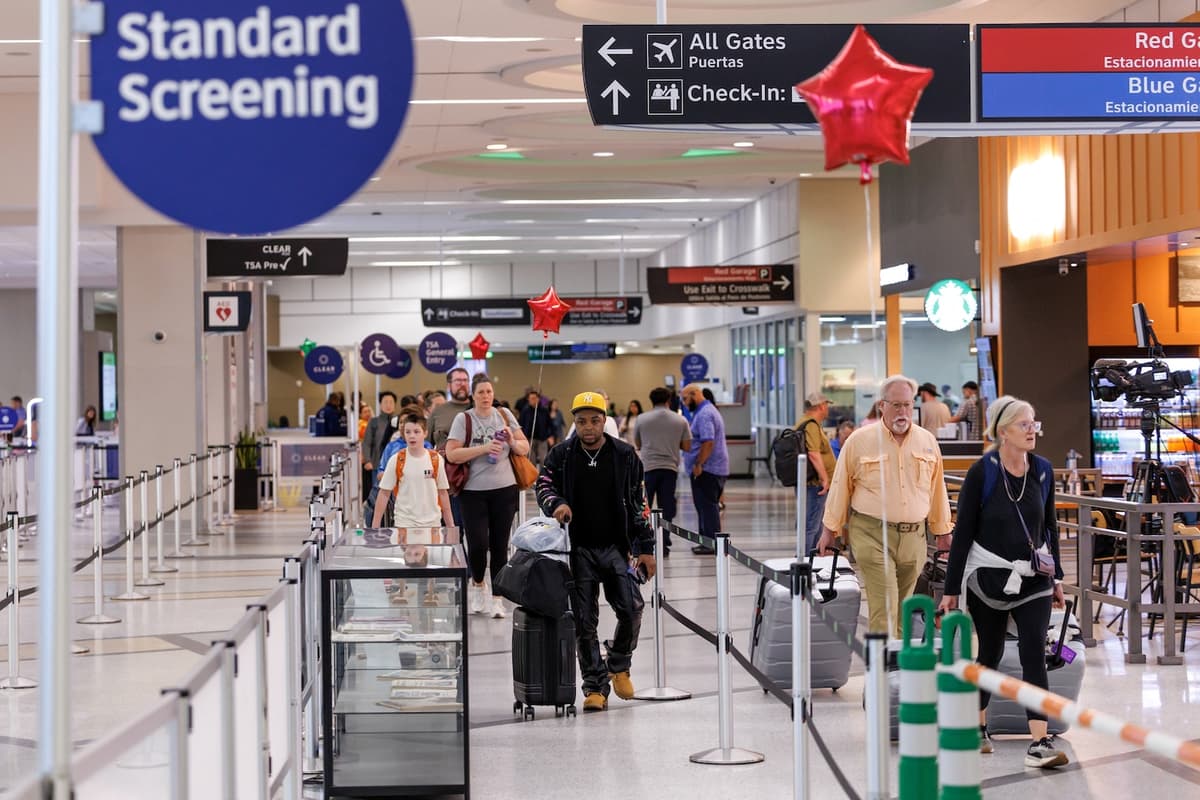
U.S. airlines are preparing for a significant influx of passengers, anticipating 171 million travelers will fly through April 30 based on projections from Airlines for America. This surge coincides with operational challenges that threaten to delay the travel experience significantly. At William P. Hobby Airport in Houston, officials issued warnings that security wait times could surpass 120 minutes due to fewer open lanes and increased passenger volume. Reports indicate that some travelers missed flights entirely because of these extended queues over the weekend. Similar disruptions occurred in New Orleans, where security lines expanded so far they stretched into a parking garage. These bottlenecks suggest that even with Global Entry active, the physical infrastructure struggles to accommodate the current demand.
The root of these logistical nightmares lies within staffing issues at the Transportation Security Administration. Officers are currently being asked to work without pay while essential functions continue. Geoff Freeman, President and CEO of the U.S. Travel Association, highlighted this struggle in a statement issued Wednesday morning. He applauded the resumption of Global Entry but emphasized the need for congressional support regarding TSA officers who keep the aviation system functioning. Freeman argued that these essential employees deserve compensation without delay, noting they report to work unpaid during the shutdown.
The path to this current state involved significant policy volatility. Last month, DHS Secretary Kristi L. Noem announced Global Entry would be a casualty of the shutdown, stating Customs and Border Protection would prioritize the general traveling population. This decision also included suspending TSA PreCheck initially, though the department reversed course immediately following an outcry. The travel industry pushed back strongly against pausing these programs. Freeman noted that the program eases employee workloads and is primarily funded by a user fee rather than taxpayer money. He argued that a smarter, safer entry process should not be sacrificed for funding disputes or used as leverage for political outcomes, potentially harming the travel ecosystem.

While the travel industry celebrates the return of Global Entry, operational realities suggest a challenging period ahead. The conflict between funding disputes and essential workforce needs highlights the fragility of the current aviation system. Until Congress addresses the compensation for TSA officers, travelers should anticipate continued delays despite program reinstatements.
May 1, 2026 03:50 UTC
Trump Administration Declares Iran Conflict Terminated
Join 50,000+ readers getting the global briefing every morning.
No spam. Unsubscribe anytime.
May 1, 2026 03:50 UTC
Trump Administration Declares Iran Conflict Terminated
Apr 25, 2026 01:38 UTC
Iranian FM Araghchi Heads to Islamabad for Critical US-Iran Talks
Apr 25, 2026 01:13 UTC
Calm Suspect in Delhi Rape-Murder Case Faces Mental Evaluation
Apr 24, 2026 23:24 UTC
Raghav Chadha joins BJP, Shaking AAP’s Rajya Sabha Strength