
Section
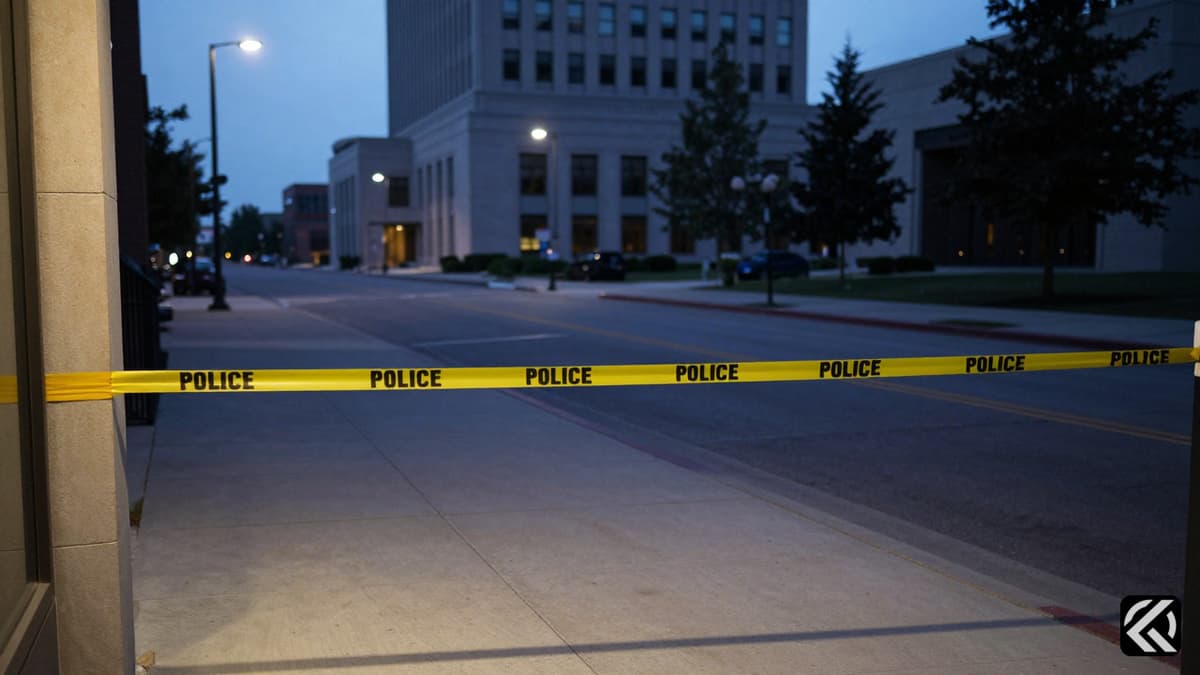
Newark Mayor Ras Baraka imposes a curfew at the Delaney Hall immigration detention center, escalating tensions with protesters and federal authorities.
In a move aimed at de-escalating volatile tensions, Newark Mayor Ras Baraka has imposed a curfew on the vicinity of Delaney Hall, the immigration detention center that has become a focal point in the national debate over deportation policies. The Sunday morning announcement addresses the immediate need for public safety as confrontations between law enforcement and protesters continue to intensify.
The decision follows a week of daily protests and violent clashes outside the facility, which is operated by the private contractor GEO Group under a 15-year contract with Immigration and Customs Enforcement (ICE). Mayor Baraka emphasized that immediate action was necessary due to the escalating situation and the increasing frequency of police interventions required to maintain order.
The curfew restricts movement within a half-mile radius of the detention center between 9pm and 6am Eastern Time, with Doremus Avenue closed to unauthorized vehicles and pedestrians. Mayor Baraka justified these measures by citing the severity of the threat, noting that multiple individuals have already been arrested with weapons. “Multiple individuals have already been arrested and found in possession of weapons, underscoring the seriousness of the threat,” Baraka stated in a public declaration.
Since its reopening as an immigration detention facility last year, Delaney Hall has frequently been the site of confrontations. The current unrest was fueled by a hunger strike initiated by detainees, who have reported severe living conditions to human rights groups, including expired food, lack of medical care, and alleged abuse by authorities. In solidarity, protesters have formed human chains and barricades, leading to tense encounters where officers used batons and pepper spray to clear roads.
New Jersey Governor Mikie Sherrill has called for designated protest zones to mitigate conflict but has also blamed “national extremist groups” for arriving from out of state to escalate tensions. She urged peaceful protesters to lower the temperature and focus on the detainees, while simultaneously vowing not to give ICE a pretext to expand operations in the state.
The situation at Delaney Hall has drawn significant political attention and legal repercussions for local officials. A year prior, Mayor Baraka faced trespassing charges, and U.S. Representative LaMonica McIver faced assault charges after attempting to inspect the facility. While Baraka’s charges were dropped, McIver continues to face legal proceedings, which she denies, labeling the prosecution as politically motivated.
“The stakes have risen,” McIver wrote on social media, affirming her commitment to speaking up for immigrants despite the pressure. Governor Sherrill, who was also denied access to the facility this past week, has issued a statement calling for Delaney Hall to be shut down entirely, blaming external agitators for the disorder.
The dispute is deeply rooted in the broader policies of the Trump administration, which frames its mass deportation campaign as a necessary effort to remove “the worst of the worst” from the country. However, critics and data from the Transactional Records Access Clearinghouse at Syracuse University challenge this narrative. As of April, approximately 71 percent of those in ICE detention had no criminal conviction, with many detainees having no criminal record or only minor offenses.
This discrepancy between the administration’s rhetoric and the reality of the detainee population has energized the protest movement. Despite Governor Sherrill’s efforts to protect peaceful demonstrators and her insistence that she will not put lives at risk, the cycle of arrests, legal challenges, and public outcry shows no sign of abating. The curfew represents a temporary containment strategy in a much larger, unresolved conflict over immigration enforcement and civil liberties.
The imposition of the curfew and the ongoing legal battles suggest a prolonged struggle between state authorities and federal immigration policies. As the Trump administration continues to defend its deportation strategies, local leaders like Mayor Baraka and Governor Sherrill are likely to face continued pressure to either comply with or resist federal directives. The persistence of protests, despite the curfew, indicates that public opposition to the detention center will remain a significant political force in New Jersey. Future developments will likely involve further legal challenges to the facility’s operations and potential federal crackdowns on protest activities, keeping the Delaney Hall controversy at the forefront of national immigration debates.
Jun 11, 2026 17:21 UTC
Bangladesh Opposition Mobilizes Against India-Bangladesh Border Push-Ins and BSF Killings
Join 50,000+ readers getting the global briefing every morning.
No spam. Unsubscribe anytime.
Jun 11, 2026 17:40 UTC
Boelter Pleads Guilty in Minnesota Political Assassinations
Jun 11, 2026 17:21 UTC
Bangladesh Opposition Mobilizes Against India-Bangladesh Border Push-Ins and BSF Killings
Jun 11, 2026 17:21 UTC
John Healey Quits as UK Defence Secretary Over Funding Dispute
Jun 11, 2026 16:19 UTC
UK Defence Secretary John Healey Quits Over Funding Dispute


