Section
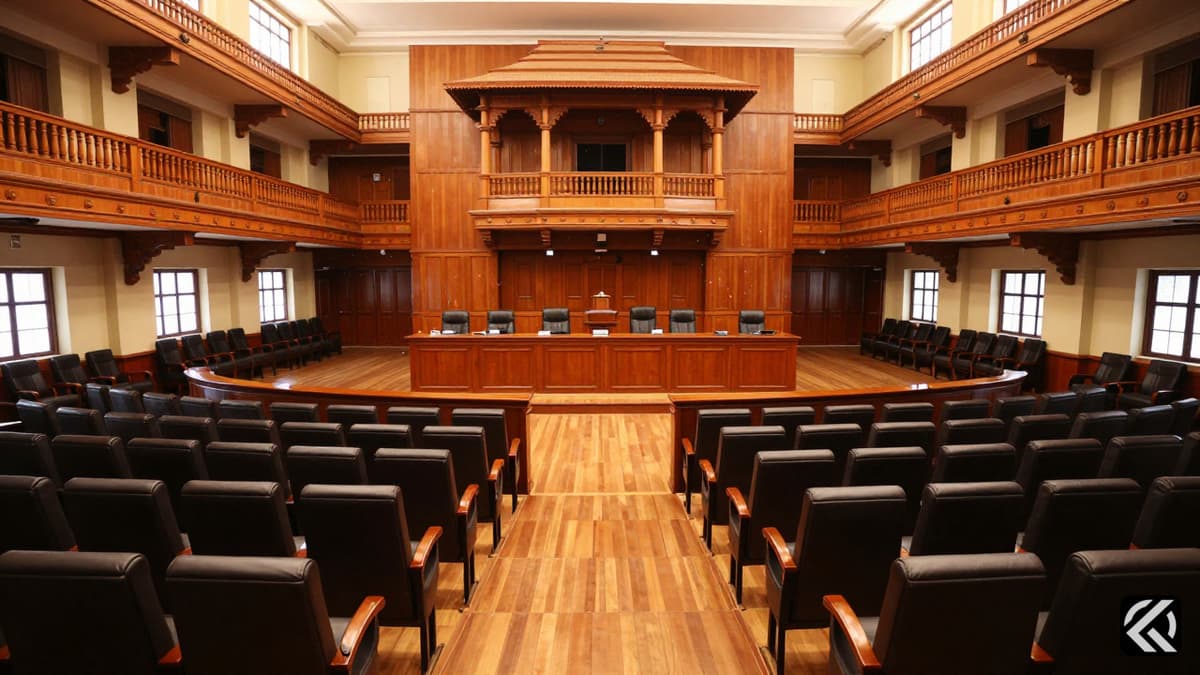
The 17th Tamil Nadu Legislative Assembly convenes as key political figures, including the Chief Minister and Opposition Leader, formally assume their constitutional roles.
[Write your full narrative here. Lead + Supporting + Body paragraphs. 600-1200 narrative words. Max one H2 subheading in body if needed.]
The political landscape of South India witnessed a significant formal transition on Monday, May 11, 2026, as the newly constituted government began its parliamentary proceedings. C. Joseph Vijay officially assumed his role as a legislator in the 17th Tamil Nadu Legislative Assembly, marking a pivotal moment in the state's recent political history. The administration of the oath, a crucial constitutional formality, was conducted by Pro-tem Speaker Karuppiah within the assembly chamber. This ceremony not only validates the electoral mandates received by the winning coalition but also initiates the operational phase of the new legislative term. The presence of high-profile political leaders, including the Leader of the Opposition and former heads of state, underscored the gravity of this institutional continuity.
The assembly hall was filled with anticipation as the swearing-in ceremony progressed. While the Chief Minister-elect completed his oath, the attendance of other key ministers varied. Notably, S. Keerthana was absent from the House during the ceremony. In contrast, a significant number of ministers secured their positions by taking the oath on the floor of the House. These included N. Anand, Aadhav Arjuna, K.G. Arunraj, K.A. Sengottaiyan, P. Venkataramanan, R. Nirmalkumar, Rajmohan, and T.K. Prabhu. Their presence in the chamber highlighted the active participation of the executive branch in the legislative process, distinguishing this session from previous years where some members may have opted for alternative venues.
Beyond the executive branch, the opposition and former leaderships also played central roles in the day's events. Udhayanidhi Stalin, designated as the Leader of the Opposition, took the oath alongside former Chief Ministers Edappadi K. Palaniswami and O. Panneerselvam. The simultaneous presence of the current opposition leader and past chief ministers in the same assembly creates a unique dynamic within the 17th term. It signals a direct engagement between the current ruling administration and the historical leadership of the state, setting the stage for potential legislative interactions in the coming weeks. The inclusion of former chief ministers reflects the deep-rooted political ties and the respect accorded to past administrative leaders within the democratic framework.
Following the administration of oaths, the newly elected members proceeded to sign the Assembly register. This act serves as a formal acknowledgment of their membership and commitment to the legislative body. The signing of the register is a standard but essential protocol that confirms the eligibility and acceptance of office by the elected representatives. With the Chief Minister, key ministers, opposition leader, and former chief ministers having completed their initial procedural steps, the floor was prepared for the continuation of the oath-taking process. The text indicates that the oath-taking for the remaining members is currently under way, ensuring a comprehensive validation of the entire house's composition.
The structured nature of this ceremony highlights the efficiency of the assembly's administrative protocols. The separation of those who took the oath in the House from those absent, such as S. Keerthana, provides a clear record of attendance for this historic session. The active involvement of Pro-tem Speaker Karuppiah in administering the oaths ensures that the constitutional requirements are met with precision. As the remaining members complete their oaths, the 17th Tamil Nadu Legislative Assembly will be fully constituted, ready to address the legislative agenda of the state. This event marks not just a change in personnel but the formal restart of legislative governance under the new mandate.
The significance of this day extends beyond the immediate ceremonial aspects. It represents the stabilization of political power in Tamil Nadu and the commencement of policy implementation phases. The presence of such a high profile of political figures, from the current Chief Minister to former leaders, indicates a robust democratic tradition. The assembly's ability to accommodate all these dignitaries in a single, orderly ceremony speaks to the institutional resilience of the Tamil Nadu Legislative Assembly. As the session continues, the focus will likely shift from formalities to substantive debates, with the newly sworn-in members preparing to articulate their political visions.
The ongoing oath-taking process for the other members ensures that no elected representative is left without their constitutional mandate. This inclusive approach reinforces the legitimacy of the assembly and its representatives. The event also serves as a visual and procedural reminder of the democratic cycle in India, where power is transferred through established legal frameworks. The combination of the Chief Minister's oath, the opposition's participation, and the continued processing of other members creates a comprehensive picture of a functioning democracy in action.
Looking ahead, the interactions between these newly sworn-in leaders will define the legislative priorities of the state. The presence of former chief ministers like Edappadi K. Palaniswami and O. Panneerselvam adds a layer of historical context to the current governance structure. Their engagement in the assembly suggests that past experiences may influence current legislative strategies. Meanwhile, the active role of ministers like N. Anand and K.G. Arunraj in taking the oath in the House signals a strong executive presence.
As the 17th Tamil Nadu Legislative Assembly completes its inaugural procedures, it sets a tone of formality and inclusivity. The careful adherence to protocol, from the administration of oaths to the signing of the register, ensures a smooth transition of power. The day's events are a testament to the enduring nature of democratic institutions in Tamil Nadu. The continued swearing-in of remaining members will finalize the composition of the house, allowing the assembly to move forward with its legislative duties.
The swearing-in of C. Joseph Vijay and other key figures marks the formal establishment of the 17th Tamil Nadu Legislative Assembly. With the majority of ministers and opposition leaders present, the chamber is fully prepared to address state matters. The continued oath-taking for remaining members ensures complete legislative representation. This structured commencement sets a precedent for orderly governance, allowing the new government to focus on policy implementation and legislative debates in the coming weeks.
Jun 11, 2026 12:59 UTC
US Strike on Settebello Kills Indian Sailors Amid Strait of Hormuz Tensions
Jun 11, 2026 12:49 UTC
Air India Flight 171 Crash Sparks Debate Over Boeing 787 Dreamliner Faults
Jun 11, 2026 08:51 UTC
US-Iran Conflict: Indian Seafarers Killed in Gulf Strike
Jun 11, 2026 18:04 UTC
Healey Quits Government Over Defence Spending Dispute