
Section
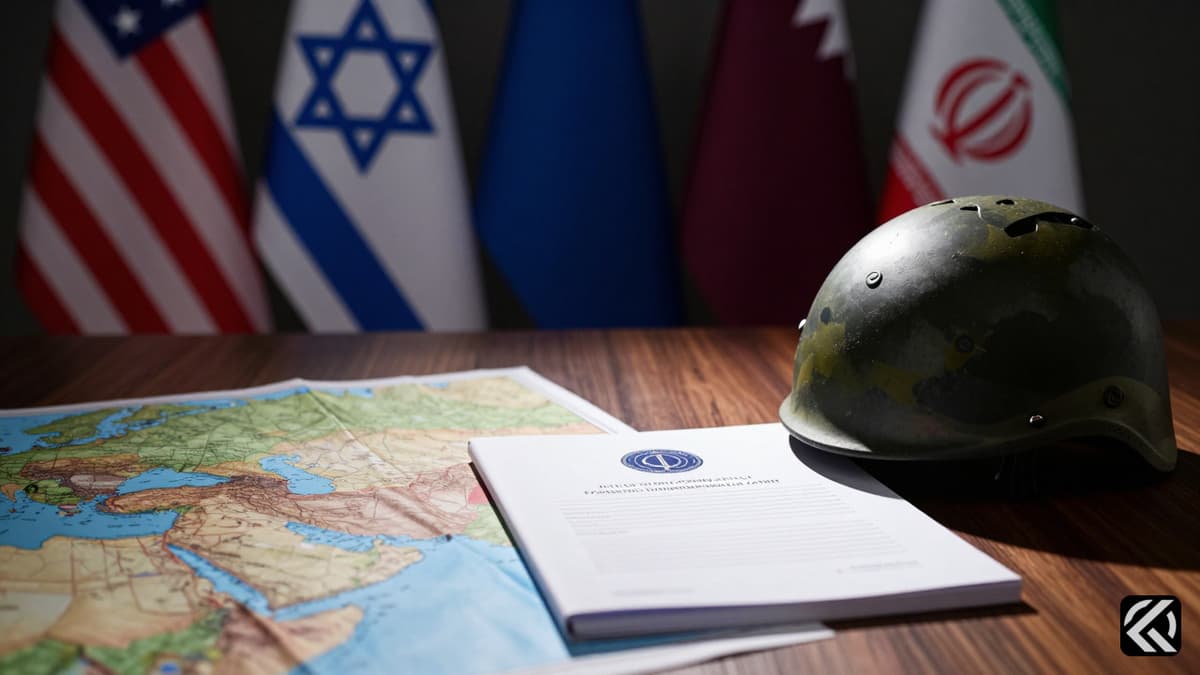
Tensions flare between Washington and Jerusalem as a contentious phone call highlights the fragile state of negotiations with Iran and the looming threat of renewed military conflict.
The divide between the United States and Israel over the next phase of the conflict with Iran widened significantly following a difficult phone call between President Donald Trump and Prime Minister Benjamin Netanyahu. Held on Tuesday, the conversation centered on efforts to revive diplomacy, yet reports indicate a sharp strategic disconnect regarding whether to pursue negotiations or return to military action.
During the discussion, the two leaders reviewed a revised peace proposal drafted by Qatar and Pakistan, which had garnered support from other regional mediators. The aim of this initiative was to bridge the widening gaps between Washington and Tehran. However, the tension was palpable; one source quoted by Axios described Netanyahu’s reaction after the call by saying his “hair was on fire.” This description underscores the intensity of the disagreement, suggesting that the Israeli Prime Minister was deeply frustrated by the American stance or the pace of diplomatic efforts.
Despite the heated exchange, Trump continued to publicly express hope that a deal could still be reached with Iran. Simultaneously, he maintained a firm stance that military strikes remain a viable option if negotiations fail. Addressing the situation on Wednesday, Trump stated, “We’ll either have a deal or we’re going to do some things that are a little bit nasty.” He later added that the talks were “right on the borderline” between an agreement and renewed conflict, highlighting the precarious nature of the current diplomatic window.
Reportedly, Netanyahu remains deeply skeptical of the diplomatic route and is pushing for Israel and the US to resume military operations against Iran. His objective is to further weaken Tehran’s military and strategic infrastructure. According to CNN, Netanyahu told Trump during the hour-long call that delaying planned strikes against Iran was a mistake. He argued vigorously for continuing military action, reflecting the Israeli leadership’s growing frustration with what it perceives as Iran’s diplomatic “foot-draging.”
In a significant shift, Trump had earlier informed Netanyahu that the US was likely to move ahead with targeted attacks on Iran under a proposed operation called Operation Sledgehammer. However, within just a day, Trump paused these strikes following requests from Gulf allies, including Qatar, Saudi Arabia, and the UAE. During Tuesday’s call, Trump updated Netanyahu on these developments, informing him that mediators were working on a “letter of intent” that the US and Iran could sign. This document would formally end the war and initiate a 30-day negotiation process covering Iran’s nuclear program and the reopening of the Strait of Hormuz.
As reported by Axios, Pakistan, Qatar, Saudi Arabia, Turkey, and Egypt have been actively refining a new draft proposal over recent days. This coordinated effort represents a broad regional attempt to de-escalate tensions. Qatar, in particular, has been instrumental, reportedly sending a delegation to Tehran earlier this week for talks with Iranian officials.
Iran has confirmed it is reviewing the updated proposal. Iranian foreign ministry spokesman Esmaeil Baqaei stated that Tehran had “received the points of view of the American side” and was actively examining them. Despite this engagement, Iran has continued to demand the release of frozen assets and an end to what it describes as US “piracy” against Iranian shipping. Iranian President Masoud Pezeshkian emphasized diplomacy in a recent statement, saying, “Iran has consistently honoured its commitments and explored every avenue to an aver war; all paths remain open from our side.”
Despite these ongoing talks, the window for diplomacy appears to be closing rapidly. Trump has repeatedly warned that if the right answers are not forthcoming, the situation could escalate quickly. “It’s right on the borderline, believe me,” Trump said. “If we don’t get the right answers, it goes very quickly. We’re all ready to go.” This ultimatum suggests that the US military remains on high alert, ready to act if the diplomatic path fails.
Trump also commented on the dynamic between the two leaders, asserting that Netanyahu would ultimately follow Washington’s lead on Iran. “Netanyahu will do whatever I want him to do,” he said, indicating a desire to maintain US control over the strategic direction of the conflict. Meanwhile, Israel’s military leadership has maintained a high state of readiness. Israeli army chief Eyal Zamir stated that the military was “prepared for any development,” signaling that military options are still very much on the table.
The diplomatic efforts come after an April 8 ceasefire halted open fighting between Iran, the US, and Israel. However, tensions remain high, and the Strait of Hormuz continues to face major disruptions that are affecting global energy markets. The outcome of these final stages of negotiation will likely determine not only the immediate future of the region but also the stability of global oil supplies.
The current standoff highlights the fragile balance between military pressure and diplomatic engagement. If the letter of intent proceeds, it could lead to a formal de-escalation, stabilizing energy markets and reducing regional hostilities. However, if Iran’s demands regarding frozen assets are not met, or if the US perceives continued diplomatic stalling, the return to military action via operations like Sledgehammer could intensify. The coming 30 days will be critical in determining whether the region moves toward a sustainable peace or further conflict, with global markets watching closely for signs of resolution or escalation.
Jun 11, 2026 12:59 UTC
US Strike on Settebello Kills Indian Sailors Amid Strait of Hormuz Tensions
Jun 11, 2026 12:49 UTC
Air India Flight 171 Crash Sparks Debate Over Boeing 787 Dreamliner Faults
Jun 11, 2026 08:51 UTC
US-Iran Conflict: Indian Seafarers Killed in Gulf Strike
Jun 11, 2026 18:04 UTC
Healey Quits Government Over Defence Spending Dispute


