
Section
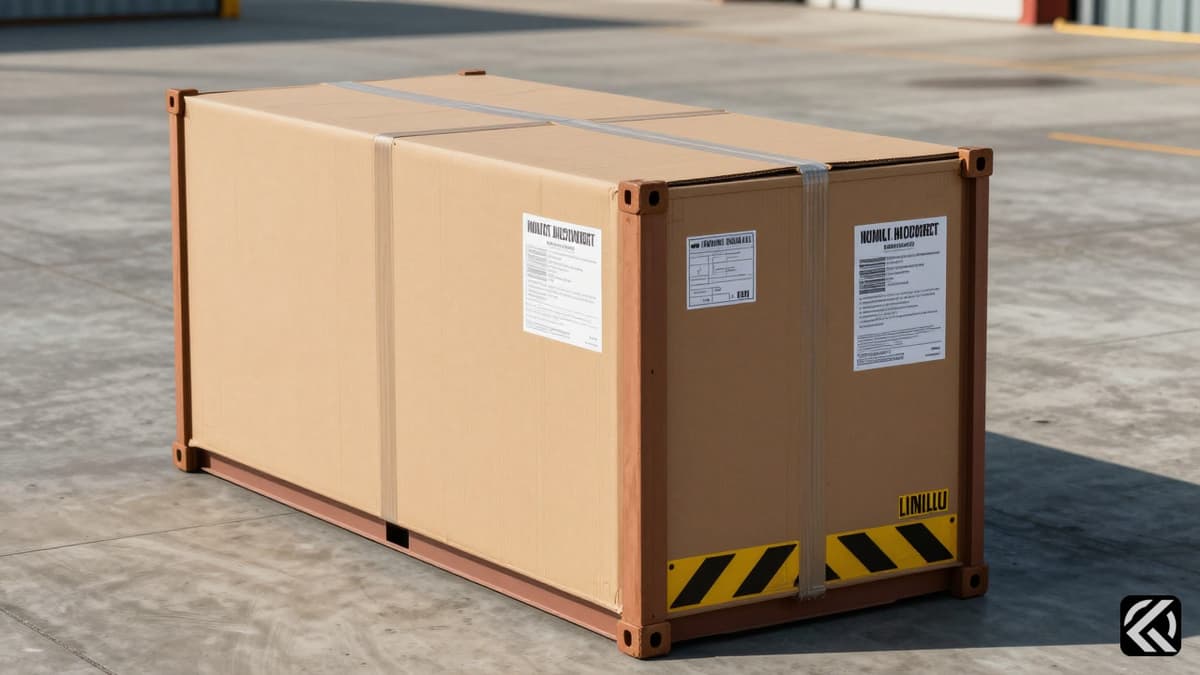
Union Home Minister Amit Shah reveals a landmark seizure of ₹182 crore worth of Captagon by the NCB, marking a significant win against drug trafficking networks.
The Union Home Minister, Amit Shah, made a historic announcement on Saturday, May 16, 2026, revealing that law enforcement agencies have successfully intercepted the first-ever consignment of Captagon in India. This seizure, valued at an astounding ₹182 crore, marks a significant milestone in the nation’s ongoing battle against illicit narcotics trade. In a statement shared via his social media platform, X, Shah highlighted the magnitude of this achievement, emphasizing that the bust represents a critical step toward eliminating drug networks operating within and through Indian borders. The operation, identified as "Operation RAGEPILL," was conducted by the Narcotics Control Bureau (NCB), whose efforts resulted in the complete confiscation of the contraband.
The intercepted shipment was specifically identified as the so-called "Jihadi Drug," a term often associated with Captagon due to its historical usage in conflict zones and by extremist groups. The goods were destined for export to the Middle East, indicating a sophisticated cross-border trafficking network. The NCB’s intervention not only halted the movement of these substances but also led to the arrest of a foreign national involved in the conspiracy. Shah described the busting of this consignment and the subsequent arrest as shining examples of the government’s unwavering commitment to enforcing zero tolerance against drugs. This action underscores the operational effectiveness of India’s central law enforcement agencies in detecting and disrupting high-value illicit trade routes.
Home Minister Shah used the announcement to reiterate the Modi government’s broader resolution to establish a "Drug-Free India." He praised the "brave and vigilant warriors of the NCB" for their role in this success, urging continued vigilance against all forms of drug trafficking. The Minister made it clear that the government is determined to clamp down on every gram of drugs attempting to enter India or utilize the country as a transit route to other destinations. This incident is particularly notable because it involves Captagon, a stimulant that has gained global attention for its association with regional conflicts and terrorist financing. The seizure signals a shift in focus for Indian enforcement agencies, moving beyond domestic consumption issues to target international export networks that use India as a logistical hub.
The financial scale of the seizure-₹182 crore-highlights the lucrative nature of this illegal trade. By disrupting this specific consignment, authorities have dealt a significant financial blow to the operators of this network. The involvement of a foreign national suggests that these drug cartels operate with international linkages, requiring complex cooperation between local and central agencies. The NCB’s ability to identify and stop this shipment demonstrates enhanced intelligence capabilities and border control measures. Such operations are crucial in preventing India from being used as a transit point for drugs destined for conflict zones or high-demand markets abroad.
This event also serves as a political statement regarding the government's stance on national security and law enforcement. By publicly announcing the seizure of a drug linked to extremist activities, the Home Minister connects the fight against narcotics with broader national security concerns. The use of the term "Jihadi Drug" in official communications further politicizes the issue, framing drug interdiction as a component of counter-terrorism efforts. The government’s emphasis on this particular case suggests that future operations may target similar high-profile shipments to send a strong deterrent message to trafficking organizations.
The success of Operation RAGEPILL provides a blueprint for future anti-drug initiatives. It illustrates the importance of proactive intelligence gathering and inter-agency coordination. The arrest of the foreign national adds a diplomatic and legal dimension to the case, potentially leading to international cooperation in prosecuting the broader network. As investigations continue, more details about the origin of the Captagon and the full scope of the conspiracy may emerge. For now, the seizure stands as a testament to the NCB’s capabilities and the government’s resolve.
This landmark seizure by the NCB demonstrates a critical advancement in India’s ability to disrupt international drug trafficking networks that utilize the country as a transit route. The interception of ₹182 crore worth of Captagon, along with the arrest of a foreign national, indicates that law enforcement agencies are increasingly effective at identifying and dismantling sophisticated cross-border operations. Looking ahead, this success is likely to lead to stricter monitoring of shipping routes and enhanced collaboration with international partners to track similar networks. The government’s stated commitment to a "Drug-Free India" suggests that such high-profile operations will become more frequent, targeting not just consumption but the lucrative export markets that fuel the drug trade. By focusing on transit routes, authorities aim to cut off the supply chain at its source, potentially reducing the volume of drugs leaving the country for conflict zones and other international markets.
The publicized nature of this seizure serves as a powerful deterrent. It shows that even high-value, internationally destined shipments are not safe from interception. This may force trafficking organizations to alter their logistics, increasing the risk of detection and failure for their operations. As the government continues to clamp down on every gram of drugs, the landscape of drug trafficking in and out of India is likely to become more challenging for criminal syndicates. The long-term impact could be a reduction in the availability of such drugs in transit regions and a significant loss of revenue for the networks that produce and distribute them. The focus on Captagon specifically highlights a targeted approach to specific high-threat narcotics, ensuring that resources are directed where the national security risk is highest.
Jun 11, 2026 17:21 UTC
Bangladesh Opposition Mobilizes Against India-Bangladesh Border Push-Ins and BSF Killings
Join 50,000+ readers getting the global briefing every morning.
No spam. Unsubscribe anytime.
Jun 11, 2026 17:40 UTC
Boelter Pleads Guilty in Minnesota Political Assassinations
Jun 11, 2026 17:21 UTC
Bangladesh Opposition Mobilizes Against India-Bangladesh Border Push-Ins and BSF Killings
Jun 11, 2026 17:21 UTC
John Healey Quits as UK Defence Secretary Over Funding Dispute
Jun 11, 2026 16:19 UTC
UK Defence Secretary John Healey Quits Over Funding Dispute


