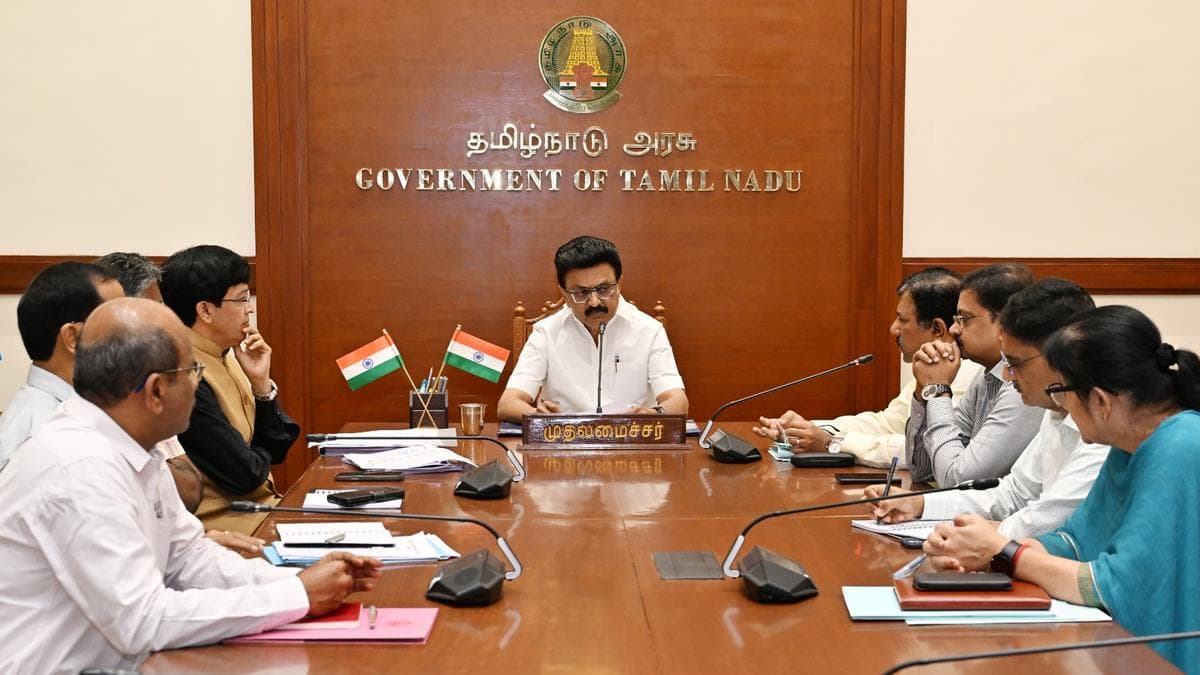
Chief Minister M.K. Stalin convenes emergency meeting to address energy security concerns stemming from geopolitical tensions in the Gulf region.
The Tamil Nadu government initiated a strategic review regarding the potential economic and social repercussions of international hostilities on local stability. Chief Minister M.K. Stalin convened a high-level gathering at the Secretariat in Chennai to evaluate these risks. The primary focus of this session was assessing the ripple effects of the ongoing conflict between the United States and Iran, specifically regarding energy security and citizen welfare. By addressing these issues directly, the administration aims to chart necessary response measures that protect the state from external geopolitical shocks.
Recognizing the gravity of the situation, M.K. Stalin initiated direct communication with Prime Minister Narendra Modi. This correspondence underscores the necessity of federal-state cooperation during times of crisis. The Chief Minister emphasized that while international conflicts originate elsewhere, their consequences are felt acutely at the state level. By formally writing to the Union government, the administration seeks to activate higher-level mechanisms to mitigate risks before they escalate into public unrest or economic stagnation. This approach highlights a proactive stance where state leadership does not wait for crises to manifest but engages in preventative diplomacy to safeguard local interests against global instability.
A critical component of the directive involves safeguarding specific demographics and sectors affected by the unfolding situation. The communication highlights concerns regarding Tamil citizens residing in Gulf countries impacted by the conflict. Furthermore, the welfare of fishermen currently stranded in the region is a priority for the state leadership. On the domestic front, the administration aims to shield MSME industries and commercial establishments from the disruption caused by cylinder shortages. The urgency suggests that without intervention, these sectors face immediate operational hurdles that could impact the broader economy. Ensuring the safety of Tamils abroad while maintaining local industrial continuity demonstrates a dual focus on human welfare and economic resilience.
To counteract the LPG shortage, specific alternative arrangements are being sought to maintain essential services. The Chief Minister explicitly requested measures to support restaurants facing commercial gas cylinder shortages. Additionally, there is a call for securing and supplying additional power to ensure continuity of services. This shift towards alternative energy solutions indicates a strategic pivot to maintain essential services like cooking and heating during periods of fuel scarcity. By communicating these needs through social media platforms, the administration ensures transparency and keeps the public informed about the steps being taken to secure necessary resources for businesses and households alike.
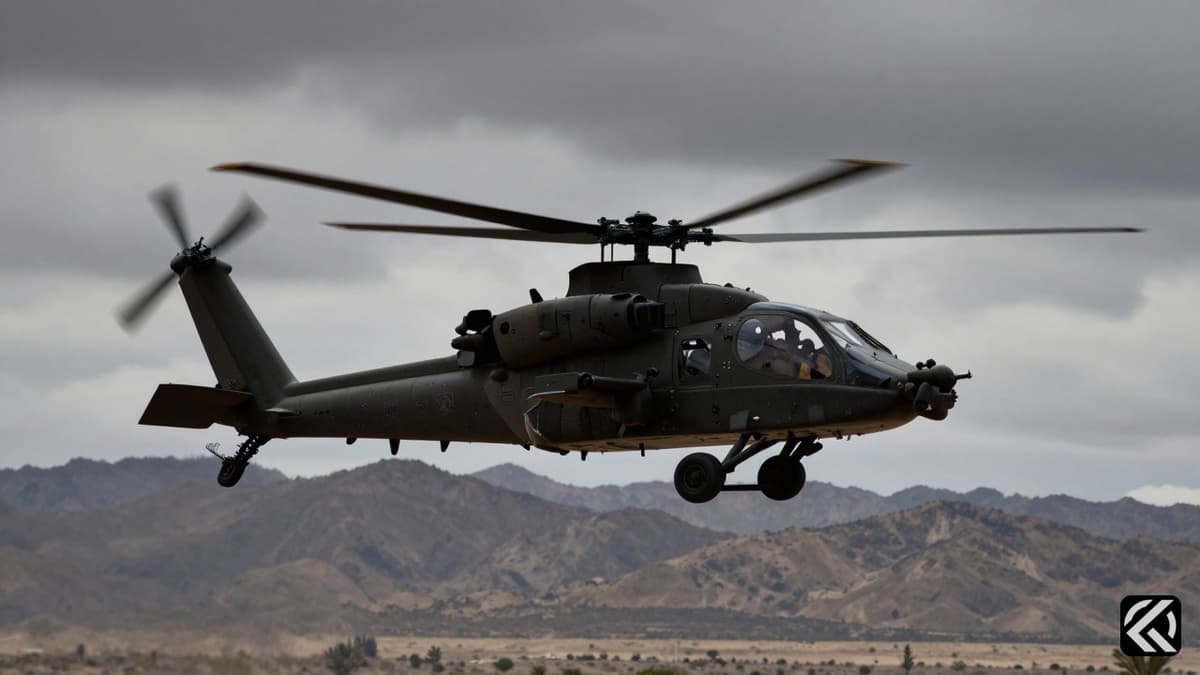
The administrative response led by Chief Minister M.K. Stalin reflects a comprehensive strategy to manage the intersection of global conflict and local resource management. Through direct engagement with federal leadership, the state aims to secure energy alternatives and protect vulnerable workers while maintaining industrial stability. This coordinated effort ensures that external geopolitical tensions do not compromise the daily lives or economic health of Tamil Nadu's residents.
Jun 9, 2026 20:58 UTC
Trump Demands U.S. Action as Iran Shoots Down Second Aircraft
Join 50,000+ readers getting the global briefing every morning.
No spam. Unsubscribe anytime.
Jun 9, 2026 18:37 UTC
Israel Strikes Tyre Despite Iranian Warnings
Jun 9, 2026 16:42 UTC
IAB Framework Data Practices and User Privacy Choices
Jun 9, 2026 16:07 UTC
Madhya Pradesh Congress Departs for Bengaluru to Avoid Rajya Sabha Elections Pitfalls
Jun 9, 2026 14:27 UTC
US Sea Drone Saves Army Helicopter Crew Near Strait of Hormuz