
Section
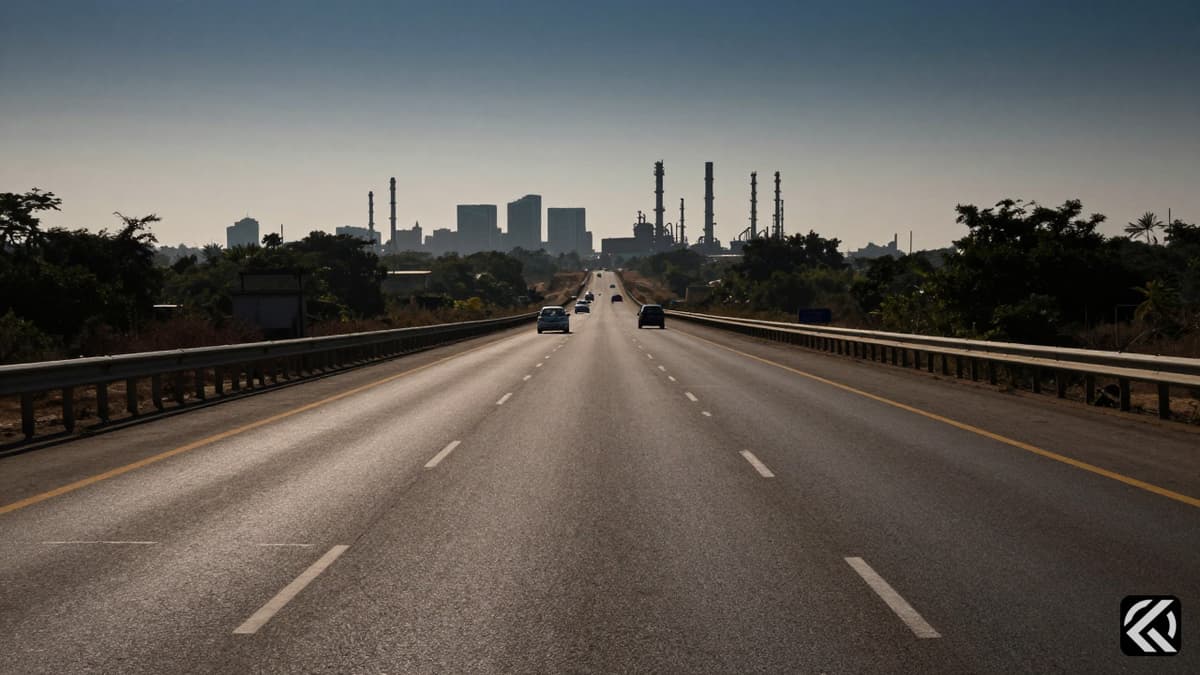
Prime Minister Narendra Modi urges Indians to limit foreign travel and revive work-from-home protocols, citing the escalating Middle East crisis and soaring global energy prices as urgent reasons for national austerity.
Prime Minister Narendra Modi has issued a direct appeal to Indians to adopt austerity measures reminiscent of the pandemic era, specifically urging citizens to revive working from home, limit foreign travel, and reduce gold purchases. These directives come in response to a severe surge in global energy prices triggered by the continuing crisis in the Middle East.
The urgency of the situation is driven by the fact that India imports 90% of its oil, leaving the nation highly vulnerable to external shocks. Since the onset of the conflict between the US and Israel against Iran, India’s crude import bill has seen a multi-billion dollar spike. This financial strain is exacerbated by the Strait of Hormuz, a critical narrow Gulf chokepoint that has remained shut for more than two-and-a-half months, severely disrupting global oil supplies.
During a public event in the southern city of Hyderabad on Sunday, Modi framed these economic necessities as a matter of civic duty. He stated, "Patriotism is not only about the willingness to sacrifice one's life on the border. In these times, it is about living responsibly and fulfilling our duties to the nation in our daily lives."
The Prime Minister’s appeal was described by analysts as the "most drastic" measure so far to combat the economic fallout. Beyond advising remote work, Modi urged citizens to utilize public transport such as metros and to carpool to conserve fuel. He also extended specific directives to the agricultural sector, asking farmers to reduce their use of fertilizer by half to mitigate rising costs and supply shortages.
Market Reaction and Economic Strain
The immediate impact of Modi’s remarks was visible in Indian financial markets on Monday. Analysts attributed the benchmark Sensex index’s drop of more than 1,000 points in early trade to fears of prolonged economic disruption stemming from these austerity calls. Despite the market volatility, the government has so far avoided raising petrol and diesel prices at the pump, despite mounting pressure on state-run fuel retailers. However, the prolonged conflict and supply chain disruptions are beginning to strain the broader economy significantly.
The ripple effects are already apparent across several key industries. Hundreds of thousands of jobs are reportedly at risk in factories producing glass, plastic products, and tiles due to rising input costs. Furthermore, dwindling fertilizer supplies have raised serious concerns regarding lower farm produce yields and subsequent higher food prices.
One of the most stark indicators of the crisis is the performance of the Indian rupee, which has hit record lows in recent weeks. This depreciation increases the cost of imports and adds substantial pressure on domestic inflation. Analysts suggest that Modi’s remarks indicate the government may soon issue stricter directives to curb energy use. Additionally, a price revision of petroleum products could be on the horizon, signaling potential relief for retailers but higher costs for consumers.
Political Backlash
Modi’s appeal has drawn sharp criticism from India’s opposition leaders, who argue that the suggestions reflect poor planning on the part of the federal government. Rahul Gandhi, a leader of the Congress party, accused the administration of avoiding accountability by placing the burden on the public. In a post on the platform X, Gandhi declared, "[Modi's suggestions] aren't sermons - these are proofs of failure," arguing that the government was shifting "responsibility onto the people."
Global Context
The disruption in the Strait of Hormuz is not isolated to India; it is affecting economies globally, particularly across Asia, with many nations reeling under rising fuel costs. The International Energy Agency (IEA) has described the current situation as the "largest supply disruption in history."
In the days following the start of the war, various countries attempted to mitigate the impact on their consumers and economies. For instance, China ordered its oil refineries to halt fuel exports temporarily. However, despite these efforts, petrol prices in China still rose, and some Chinese airlines were forced to cut flights as jet fuel prices climbed. As the geopolitical tensions persist, India’s reliance on imported energy and the closure of vital shipping lanes continue to pose significant challenges to its economic stability and fiscal planning.
The convergence of the Middle East war, the closure of the Strait of Hormuz, and the resulting India fuel crisis demands immediate and sustained policy adjustments. While the government has avoided immediate pump price hikes, the reliance on public appeals for conservation highlights the severity of the fiscal pressure. The anticipated directives on energy use and potential petroleum price revisions will likely force a recalibration of household budgets and industrial operations. As global supply chains remain fractured, the long-term impact may include structural inflation and a permanent shift in consumer behavior toward energy efficiency, testing the resilience of India’s economic model in the face of unprecedented external shocks.
Jun 11, 2026 12:59 UTC
US Strike on Settebello Kills Indian Sailors Amid Strait of Hormuz Tensions
Jun 11, 2026 12:49 UTC
Air India Flight 171 Crash Sparks Debate Over Boeing 787 Dreamliner Faults
Jun 11, 2026 08:51 UTC
US-Iran Conflict: Indian Seafarers Killed in Gulf Strike
Jun 11, 2026 18:04 UTC
Healey Quits Government Over Defence Spending Dispute


