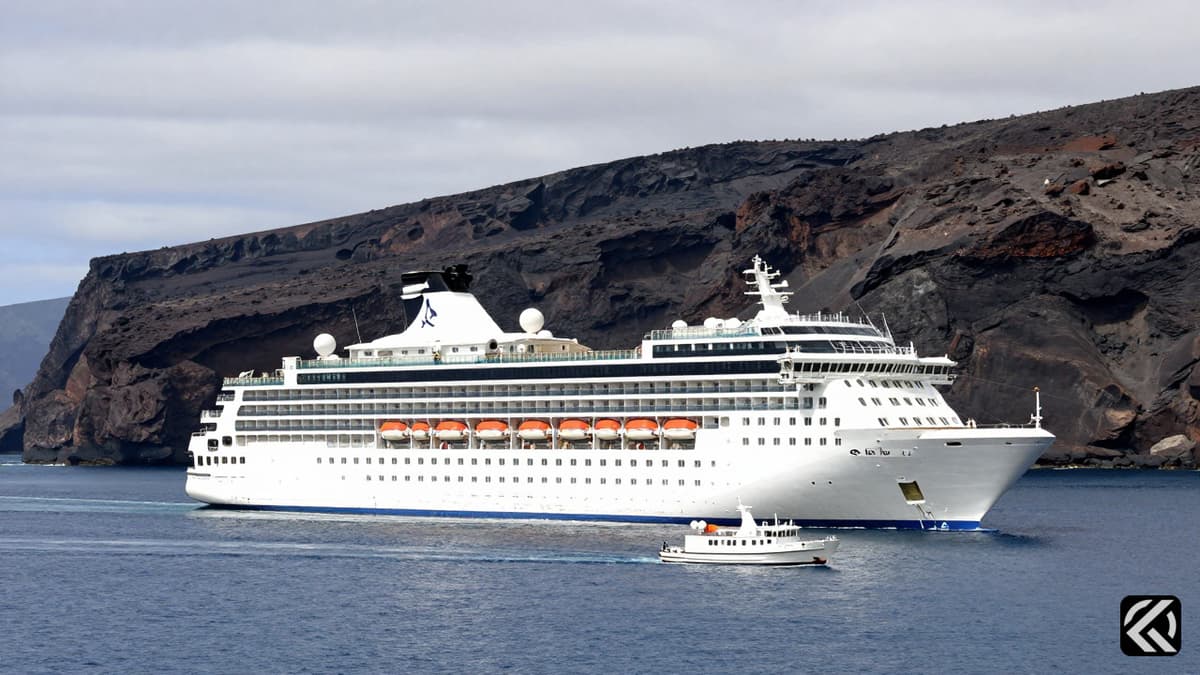
The cruise ship MV Hondius has arrived in Tenerife to facilitate the repatriation of passengers involved in a deadly hantavirus outbreak linked to rodent exposure.
The MV Hondius cruise ship has arrived at the Port of Granadilla in Tenerife, marking the start of a complex repatriation operation for passengers involved in a severe health crisis. Local authorities in the Canary Islands are preparing to manage the disembarkation of 147 individuals, coordinating with multiple international governments to ensure a safe and orderly process. The vessel, which departed Argentina last month, carries passengers from various nations, each facing their own logistical challenges in retrieving their citizens from the isolated vessel.
Since the ship left Argentina, the situation has escalated rapidly, with the deaths of three individuals now linked to hantavirus. This rare disease, typically transmitted through exposure to infected rodents’ urine or feces, has necessitated a massive multinational response. Officials have emphasized that the evacuation will be conducted with strict safety protocols, ensuring that those remaining on board and those disembarking are protected from potential exposure during the transfer process.
The evacuation strategy involves bringing passengers ashore by nationality in small boats with a maximum capacity of 10 people. Oceanwide Expeditions, the tour operator involved, stated that the ship will anchor at the “safest” distance from the dock to minimize risk. Passengers’ luggage will remain on the ship and be returned to them at a later date, allowing for a more streamlined disembarkation process focused on health assessments rather than logistical burdens.
Several nations have already mobilized resources to retrieve their citizens. The United States, Germany, France, Belgium, Ireland, and the Netherlands are all sending aircraft to evacuate their nationals. The sequence of disembarkation will be tightly coordinated with the arrival of these repatriation flights. This multi-national effort highlights the global reach of the crisis and the diplomatic coordination required to manage a health emergency aboard a mobile vessel.
For the 17 American passengers, who are currently without symptoms, the journey home involves specialized medical oversight. A US Centers for Disease Control and Prevention official confirmed that these passengers will be transported to the University of Nebraska Medical Center. This facility houses the National Quarantine Unit, a federally funded institution designed for handling such infectious disease threats. After a brief assessment at the unit, the Americans will undergo home-based monitoring for 42 days, with monitoring expected to be at least daily. This rigorous protocol underscores the seriousness with which US health authorities are treating the potential spread of the virus.
In Spain, the response has been equally stringent. Fourteen Spanish passengers are expected to disembark the vessel first, wearing FFP2 masks to protect themselves and others. Spain’s health minister, Mónica García, confirmed that all individuals involved in the bus transfers and logistics will also wear these high-protection masks. The Spanish passengers will be taken to a military hospital, where they will be isolated in individual rooms with no visitors allowed. Upon arrival, they will receive a PCR test, with a follow-up test scheduled seven days later. This isolation protocol is designed to prevent any potential community transmission within the Canary Islands.
The arrival of the ship has not been without controversy. The Canary Islands, an autonomous community of Spain, has experienced significant tension regarding the docking. Fernando Clavijo, the territory’s leader, had previously expressed opposition to the ship docking in his jurisdiction, citing safety concerns. Port workers in Tenerife have also held protests, voicing their frustration over a perceived lack of communication regarding the potential risks involved in handling the vessel. These local reactions reflect the anxiety felt by communities facing the prospect of a high-consequence pathogen entering their borders.
While the immediate focus remains on the passengers, the ship’s journey is not yet over. The MV Hondius and its crew are scheduled to continue to Rotterdam in the Netherlands. Upon arrival, the crew will disembark, and the ship will undergo a thorough disinfection process. This final step is crucial to ensure that the vessel is safe for future operations and that no residual virus remains on board.
The hantavirus outbreak was first reported to the World Health Organization on May 2. The WHO has described the situation as a low risk to the general public, emphasizing that the virus is not typically transmitted from person to person. However, the outbreak serves as a stark reminder of the vulnerabilities inherent in global travel and the importance of stringent biosecurity measures. The coordinated efforts of multiple nations and health agencies demonstrate a robust response framework, but also highlight the complex logistical challenges of managing health emergencies in international waters.
As the passengers are repatriated and the ship is prepared for disinfection, the world watches closely. The swift action taken by health officials in the US, Spain, and other affected nations provides a model for future responses. The outcome of this operation will likely influence protocols for similar incidents, reinforcing the need for clear communication between tour operators, local authorities, and international health bodies. The hantavirus outbreak has brought global attention to the island of Tenerife, but its effects will be felt far beyond the Canary Islands, shaping public health strategies in the years to come.
As the repatriation efforts wind down, the MV Hondius prepares to sail to Rotterdam for crew disembarkation and extensive disinfection. The coordinated international response has set a precedent for managing infectious disease outbreaks at sea, emphasizing the critical need for rapid deployment of medical resources and clear communication among all parties involved. The lessons learned from this crisis will likely inform future protocols for cruise line safety and international health cooperation.
May 9, 2026 21:40 UTC
Russia Cuts Heavy Armor From Victory Day Parade Amid War
Join 50,000+ readers getting the global briefing every morning.
No spam. Unsubscribe anytime.
May 10, 2026 05:52 UTC
Celebrate Mother's Day 2026 With These Essential Wishes
May 10, 2026 03:02 UTC
Vijay Takes Oath, Ending Dravidian Party Era in Tamil Nadu
May 10, 2026 01:28 UTC
Nine TVK Leaders Join C. Joseph Vijay as Tamil Nadu Ministers
May 9, 2026 23:27 UTC
India’s Strategic Leap: Agni-5 with MIRV Trial Success


