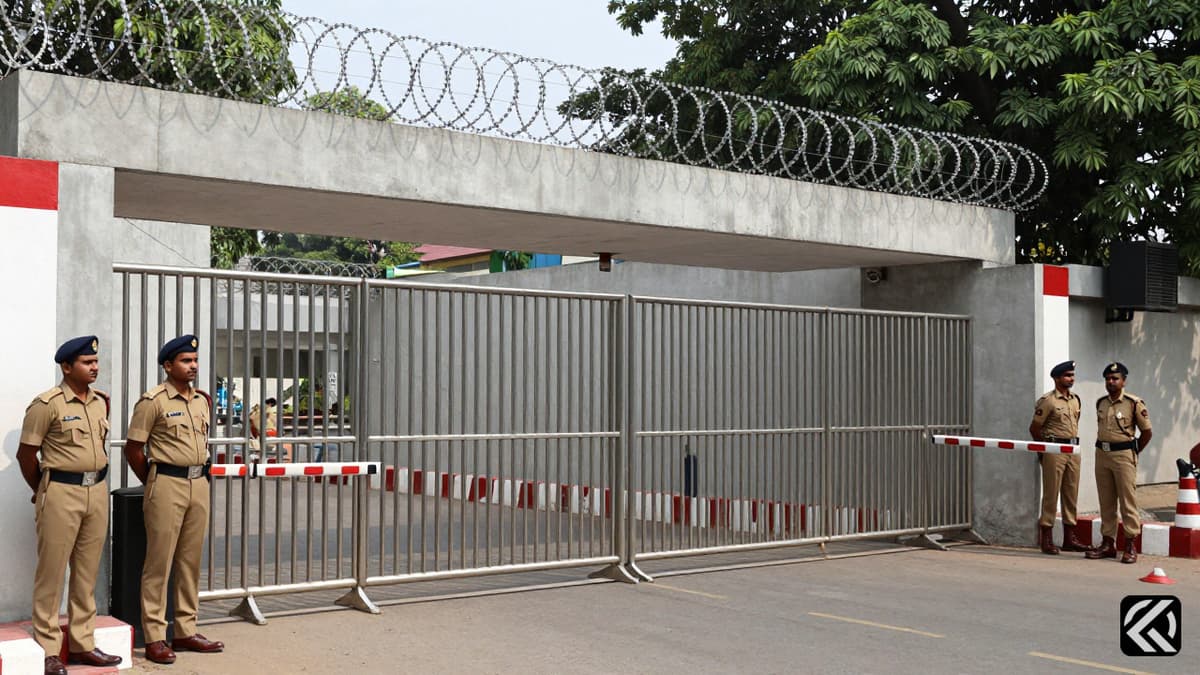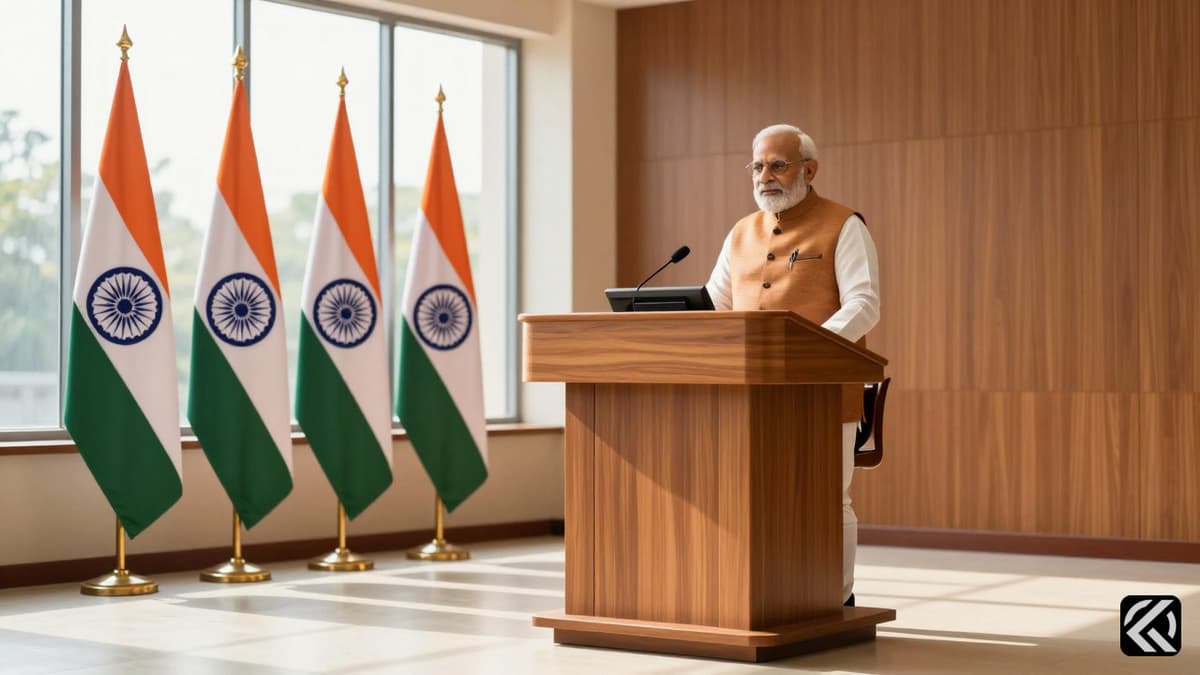
Nine new Tamilaga Vettri Kazhagam leaders prepare to join C. Joseph Vijay as Tamil Nadu Ministers on May 10, 2026, marking a significant shift in state leadership and governance structure.
The Tamil Nadu political landscape is set for a major transformation on Sunday, May 10, 2026, as nine key leaders from the Tamilaga Vettri Kazhagam are scheduled to be sworn in as ministers. This significant event will take place in Chennai, bringing together the party president and Chief Minister-designate C. Joseph Vijay with the newly appointed cabinet members. The swearing-in ceremony marks a pivotal moment for the party, solidifying its presence in the state government after securing electoral victories. The inclusion of these nine individuals signals the operational start of the new administration, with Vijay at the helm.
The list of ministers has been formally submitted to Tamil Nadu Governor Rajendra Vishwanath Arlekar, confirming the final roster of the new cabinet. The individuals selected for this critical role represent a diverse geographic spread across the state, ensuring broad regional representation within the government structure. Among those confirmed are ‘Bussy’ N. Anand, who was elected from the T. Nagar constituency, and Aadhav Arjuna, representing Villivakkam. The coalition also includes K.G. Arunraaj from Tiruchengodu, K.A. Sengottaiyan from Gobichettipalayam, and P. Venkataramanan from Mylapore.
Further strengthening the administrative team are C.T.R. Nirmalkumar from Thirupparankundram, A. Rajmohan from Egmore, T.K. Prabhu from Karaikudi, and S. Keerthana from Sivakasi. These nominations reflect the party's strategic selection process, aiming to balance political influence with administrative competence. The geographic distribution of these ministers is particularly noteworthy, as it ensures that the new government’s reach extends well beyond the capital city. This widespread representation is designed to address local concerns effectively while maintaining a unified state-wide policy framework.
Chennai will undoubtedly be the focal point of this political transition, hosting five of the nine new ministers. This high concentration of cabinet members in the capital underscores the city's role as the administrative heart of the state. In addition to the Chennai contingent, the new government will see two ministers representing the western belt of Tamil Nadu. This allocation highlights the administration's commitment to addressing the developmental needs of the western regions, which have historically been distinct in terms of economic and social dynamics.
The southern region of the state will be represented by three ministers, ensuring that the voices of this area are heard at the highest level of governance. The inclusion of one woman and one representative from the Scheduled Castes (SC) in the cabinet adds a layer of social inclusivity to the government's composition. These appointments demonstrate the party's intent to create a representative government that mirrors the demographic diversity of Tamil Nadu. While the specific portfolios for each minister have not yet been disclosed, it is widely anticipated that these details will be revealed in due course.
The formation of this cabinet follows the broader narrative of government formation highlighted on May 9, 2026, where the groundwork for the new administration was laid. The selection of these nine individuals completes the structural framework of the executive branch, allowing the government to move from electoral victory to policy implementation. As the swearing-in ceremony approaches, all eyes are on how these ministers will collaborate with C. Joseph Vijay to deliver on the party's promises. The distribution of seats among Chennai, the western belt, and the south will likely influence the initial policy focus and resource allocation.
The arrival of nine new Tamil Nadu Ministers alongside C. Joseph Vijay marks the beginning of a new era in state governance. With five ministers based in Chennai, two in the west, and three in the south, the administrative balance is clearly mapped out. The inclusion of women and SC representatives ensures that the government remains socially inclusive and representative. As portfolios are likely to be announced soon, the focus will shift to how these leaders utilize their power to implement policy. This transition from election to administration will test the party's ability to deliver tangible results to the people of Tamil Nadu. The long-term impact of this cabinet composition will depend on the effective coordination between the Chief Minister and his ministers, as well as their responsiveness to the diverse needs of the state's regions.
May 9, 2026 19:32 UTC
Hardliners Sabotage Iran-US Negotiations Amidst Fractured Regime
May 9, 2026 17:43 UTC
Moscow's Stripped-Down Victory Day: A Shift in Military Display
May 8, 2026 19:28 UTC
Iran Transforms Destroyed B1 Bridge Into Symbol of Resistance
May 8, 2026 15:53 UTC
China Confirms Technical Aid for J-10CE Fighter Jets in Regional Conflict
May 9, 2026 23:27 UTC
India’s Strategic Leap: Agni-5 with MIRV Trial Success