Section
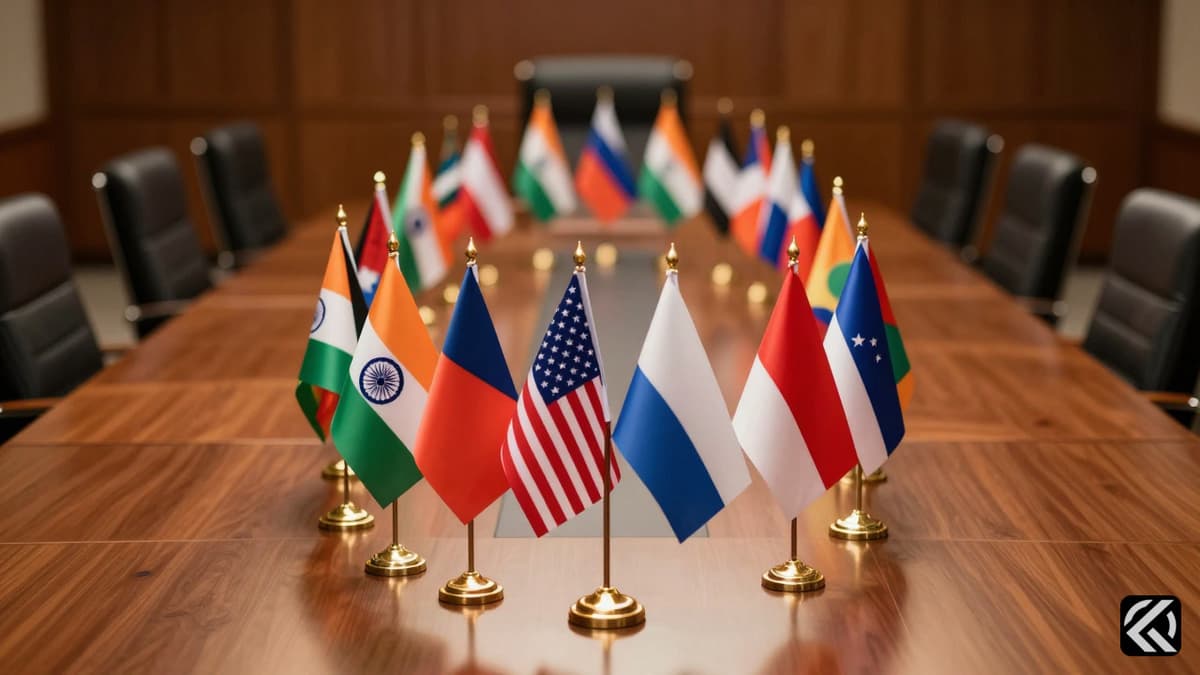
At the G7 Summit, Prime Minister Narendra Modi urged leaders to rebuild international solidarity, emphasizing that the world suffers from a critical lack of trust rather than resources.
The Prime Minister of India, Narendra Modi, addressed a critical global crisis during a recent session at the G7 Summit, stating that the world currently suffers from a profound shortage of trust rather than a lack of resources. In a session titled “Forging New Partnerships and Rebuilding International Solidarity,” Mr. Modi met with leaders from the Group of Seven countries, as well as partner nations including Brazil, Egypt, Kenya, and South Korea. The gathering, hosted by France with the intention of building a fairer and more effective system of international partnerships, also included representatives from the World Bank and the African Development Bank.
Mr. Modi’s address centered on the need for countries to move beyond the traditional donor-recipient paradigm and instead work as equals in the development context. He highlighted that the Global South has immense expectations from the world, seeking not just support but genuine partnership. During the session, he outlined India’s efforts in Africa, focusing on training, water, agriculture, energy, and capacity building.
The summit also marked a significant moment in diplomatic relations between India and the United States. Mr. Modi met U.S. President Donald Trump for the first time since February 2025. Videos from the event showed the two leaders shaking hands before the meeting and sitting next to each other. This encounter followed a period of strained bilateral relations, including the killing of three Indian sailors in a U.S. strike on an oil tanker off the coast of Oman, restrictions on visas for skilled professionals, and concerns regarding racism against Indians in the U.S.
Despite the handshake, the two leaders have not always greeted each other warmly in public settings, as seen during a ‘family photo’ earlier at the summit. Their relationship has faced challenges due to Mr. Trump’s claim that he brought about a ceasefire to the four-day armed conflict between India and Pakistan in May 2025, as well as protracted negotiations for a preliminary trade deal that remains unsigned.
In terms of official outcomes, India did not sign its name to a communique on restructuring the development finance ecosystem, which was supported by the G7, Kenya, and South Korea. However, India did sign a call for a coordinated response to the Bundibugyo Ebola outbreak and a roadmap to fight cancer. The two leaders are scheduled to hold bilateral talks on Wednesday afternoon as the summit winds down.
The emphasis on mutual trust as a strategic asset signals a potential shift in how emerging economies engage with traditional Western powers. By framing the global issue as a deficit of trust rather than resources, Mr. Modi positions India as a leader for middle-income and poorer countries. If the upcoming bilateral talks result in a signed trade deal or progress on visa issues, it could stabilize the relationship. However, the lack of signature on the finance communique suggests that India remains cautious about frameworks that may not fully align with its interests in the Global South. The long-term impact will depend on whether these diplomatic gestures translate into tangible policy changes regarding trade, security, and development aid.
Jun 17, 2026 00:58 UTC
US-Iran 60-Day Challenge: Peace Deal Leaves Nuclear Details Pending
Jun 16, 2026 22:51 UTC
G7 Summit: Modi Warns of Hormuz Risks, Trump Pushes Russian Sanctions
Jun 16, 2026 18:58 UTC
G7 Leaders Intensify Pressure on Russia with New Sanctions
Jun 16, 2026 18:36 UTC
Trump Claims US-Iran Agreement Opens Strait of Hormuz Without Tolls
Jun 17, 2026 08:11 UTC
India Monsoon Deficit Stalls Amid Super El Niño Fears