Section
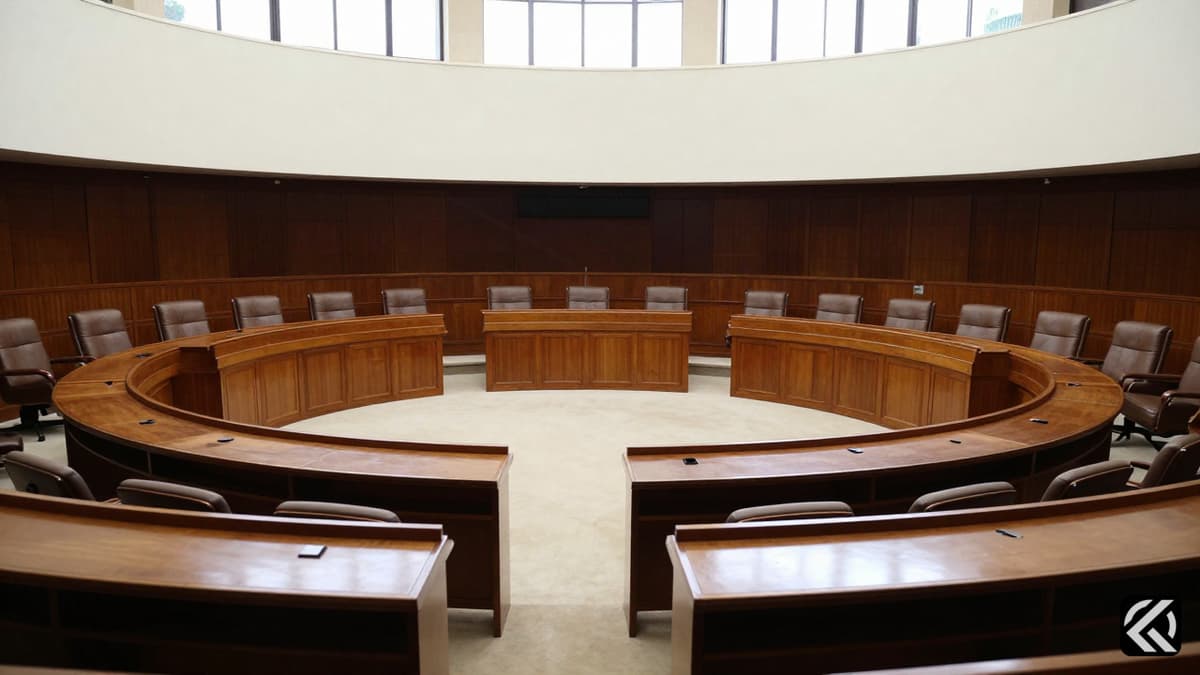
Dissident MPs secure acceptance from NCPI to join the NDA fold, distancing themselves from state-level TMC rebels while addressing governance gaps in Bengal.
Rebel Trinamool Congress MP Kakoli Ghosh Dastidar confirmed on Tuesday that the Nationalist Citizens Party of India (NCPI) has formally agreed to accept the joining of all dissident Lok Sabha members. This move is expected to increase the faction's strength to 22 from the current 20, solidifying their position as they seek alignment with the National Democratic Alliance (NDA).
Ms. Dastidar provided further clarity regarding the operational status of her group, stating that the NCPI merger process is well underway. She emphasized that the primary objective is to settle down while integrating into the new political framework. The lawmaker, representing Barasat in Bengal, indicated that the group is eager to work together under the leadership of Prime Minister Narendra Modi and Home Minister Amit Shah. This development marks a significant shift in the legislative landscape, as the dissidents seek to influence policy from within the ruling coalition structure.
On Monday, the crisis within the Trinamool Congress intensified after the dissident MPs announced their intention to merge with the NCPI. They subsequently met with Lok Sabha Speaker Om Birla to request a separate seating arrangement in the House. During this meeting, it was revealed that 20 TMC MPs had signed a representation seeking this separation. The speaker’s office now recognizes the TMC rebel MPs as a distinct group within the parliamentary proceedings. This administrative separation underscores the deepening rift within the party’s parliamentary wing, creating a clear division between those remaining loyal to the party leadership and those moving toward the opposition fold.
Ms. Dastidar addressed the relationship between her faction and the dissident MLAs in the West Bengal Assembly. She firmly stated that there is no connection between the two groups. "We have no connection with them. They are a separate group; their issues and agenda are different," she explained. This distinction is crucial as the state-level dissidents have formed their own group, recognized by Speaker Rathindra Bose, operating independently of the Lok Sabha rebels. The separation highlights the fragmented nature of the dissent within the Trinamool Congress, with different branches pursuing divergent political strategies.
The political realignment comes with specific policy goals. Ms. Dastidar highlighted that the previous TMC government in West Bengal failed to implement several critical schemes over the last decade. She pointed out that child safety issues were neglected, noting that child marriage rates in Bengal are the highest according to NCRB data. "Certain schemes have not been implemented in West Bengal... So, these things were happening in Bengal, which none of them took up," she stated. The dissident group intends to rectify these gaps by implementing all Central schemes in collaboration with Chief Minister Suvendu Adhikari.
The integration with the NCPI represents a strategic pivot for these lawmakers. The NCPI, registered as a political party in January 2023 with its address in Howrah district, has previously been a little-known outfit. However, its unexpected entry into national discourse is driven by the support of these prominent MPs. Altogether, 28 MPs were elected to the Lok Sabha on TMC tickets in the 2024 general elections. The current split suggests a significant portion of this bloc is moving away from the party’s core stance.
Ms. Dastidar’s comments at the Parliament House complex also touched upon broader governance failures. She argued that the previous administration allowed negative social trends to persist, citing the lack of implementation of women's safety and child protection initiatives. "We were just discussing that even child safety issues were not allowed in Bengal," she remarked. This narrative of neglect serves as a justification for the new alliance, positioning the TMC rebel MPs as champions of better governance and national integration.
As the group prepares to formalize its status, the focus remains on legislative impact. The acceptance by the NCPI provides a platform for these lawmakers to voice their concerns within the NDA framework. They aim to leverage this position to advocate for the implementation of central welfare schemes in Bengal, arguing that the previous state administration has left critical gaps in public safety and social welfare. The move is likely to have ripple effects across the political spectrum, potentially influencing other factions within the Trinamool Congress and altering the balance of power in both the Lok Sabha and the West Bengal Assembly.
The acceptance of dissenting lawmakers by the NCPI signals a decisive break from the Trinamool Congress. This merger will likely strengthen the NDA’s position in eastern India, particularly in Bengal. The focus on unimplemented central schemes suggests a policy-heavy approach to regaining trust. Long-term, this could fragment the state’s opposition landscape, forcing the TMC to reconsider its strategies regarding both state and national governance.
Jun 17, 2026 00:58 UTC
US-Iran 60-Day Challenge: Peace Deal Leaves Nuclear Details Pending
Jun 16, 2026 22:51 UTC
G7 Summit: Modi Warns of Hormuz Risks, Trump Pushes Russian Sanctions
Jun 16, 2026 18:58 UTC
G7 Leaders Intensify Pressure on Russia with New Sanctions
Jun 16, 2026 18:36 UTC
Trump Claims US-Iran Agreement Opens Strait of Hormuz Without Tolls
Jun 17, 2026 10:43 UTC
Shiv Sena (UBT) Denies Loyalty Amid Bribery Allegations