Section
World leaders gather in France to ramp up pressure on Moscow, with Canada imposing fresh penalties and the U.S. eyeing renewed oil restrictions.
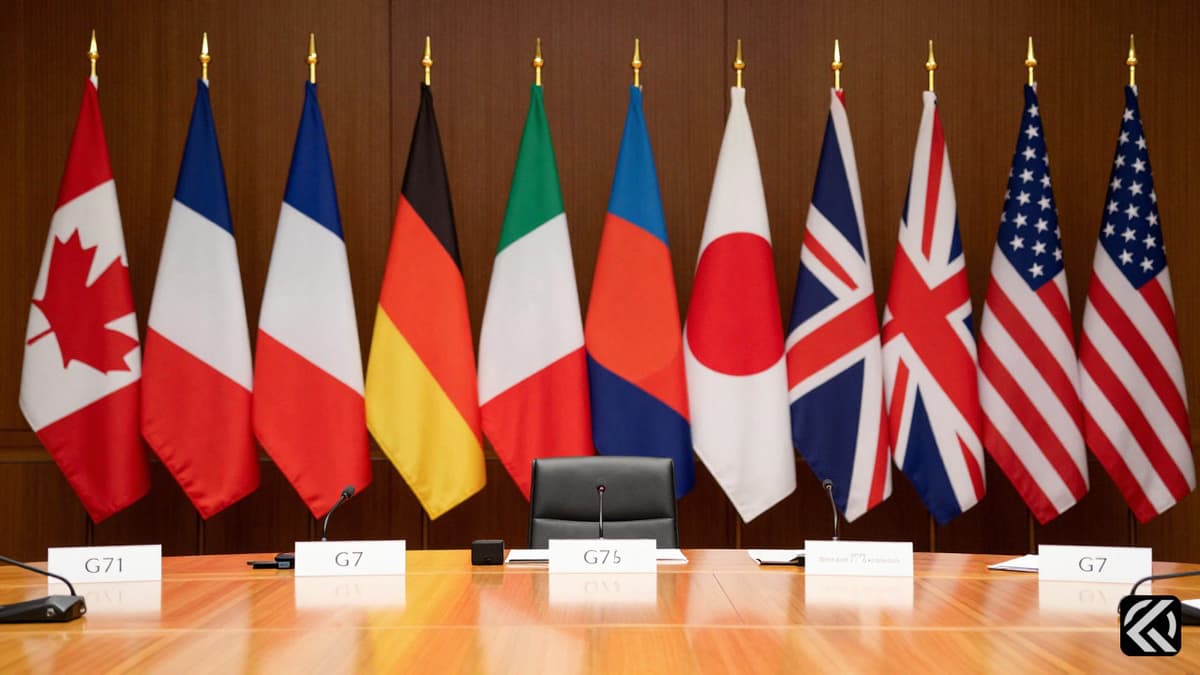
The global coalition known as the G7 has taken significant diplomatic and economic steps to isolate Russia, marking a pivotal moment in the ongoing conflict. At the G7 summit Evian-les-Bains in France, world leaders have moved beyond rhetoric to implement concrete measures designed to cripple Moscow’s war machine and economic stability. This coordinated effort signals a unified front against aggression, aiming to force a resolution to the prolonged war in Ukraine through sustained economic pressure and diplomatic isolation.
Canadian Prime Minister Mark Carney took a leading role in this escalation, announcing a comprehensive package of new sanctions during a meeting with Ukrainian President Volodymyr Zelenskyy. The Canadian government stated that these measures specifically target Russia’s shadow fleet, a critical component of its ability to bypass existing trade restrictions. By focusing on the vessels used to transport sanctioned goods, Canada aims to cut off a vital lifeline for the Russian economy. The sanctions also extend to the country’s energy revenues, directly threatening the financial flows that fund its defense-industrial sector. Additionally, the government identified entities linked to disinformation efforts as targets, acknowledging the role of propaganda in sustaining the conflict. This multi-pronged approach demonstrates Canada’s commitment to weakening Russia’s operational capabilities both on the battlefield and in the information space.
Meanwhile, U.S. President Donald Trump added weight to the coalition’s stance by declaring that the United States will soon reimpose sanctions against Russian oil. This move indicates a tightening of economic noose around Moscow’s primary source of revenue. Trump explicitly stated that Moscow should “make a deal,” suggesting that the U.S. intends to use maximum economic pressure to compel negotiations. The timing of these announcements on Tuesday, June 16, 2026, underscores the urgency felt by Western leaders to escalate the cost of the invasion. The agreement to intensify pressure comes after more than four years of war, with G7 leaders seeking to ratchet up the stakes to bring an end to the violence. The collective sentiment is that continued military action must become economically unsustainable for the Kremlin.
Beyond the policy announcements, the summit provided a stage for crucial diplomatic interactions among key global figures. Prime Minister Narendra Modi of India and U.S. President Donald Trump engaged in a brief but notable exchange of pleasantries. This interaction marked their first in-person encounter in nearly one-and-a-half years, highlighting the importance of maintaining high-level dialogue despite political differences. The meeting took place in the French commune of Evian-les-Bains, a location chosen for its diplomatic tradition and serene setting on the shores of Lake Geneva. Prior to the summit, Modi had expressed his intention to voice the aspirations of the Global South, indicating that the summit would also serve as a platform for broader international perspectives on the conflict.
The gathering from June 15 to 17, 2026, brings together the leaders of France, Britain, Canada, Germany, Italy, Japan, and the United States, alongside representatives of the European Union. This assembly represents a significant portion of the global economy and political influence. The presence of such a wide coalition emphasizes the international consensus on the need to address Russian aggression. The choice of Evian-les-Bains, with its historical significance in diplomacy, further reinforces the gravity of the discussions taking place. Leaders are not only discussing immediate sanctions but also the long-term strategy for European security and global stability.
The implications of these new measures are far-reaching. The targeting of the Russian shadow fleet directly challenges the effectiveness of previous sanctions regimes, which have struggled to curb Russia’s ability to sell its resources. By closing loopholes and expanding the scope of prohibited activities, the G7 aims to create a more robust containment strategy. The focus on energy revenues is particularly critical, as oil and gas sales have historically underpinned Russia’s military spending. Disrupting these revenue streams could significantly impair Moscow’s capacity to sustain its defense-industrial sector over the long term.
Furthermore, the inclusion of disinformation networks in the sanctions list reflects a growing recognition of the hybrid nature of modern warfare. By penalizing entities that spread false narratives, the G7 is attempting to counteract the psychological and informational dimensions of the conflict. This holistic approach suggests that Western leaders are adapting their strategies to address the full spectrum of Russian state actions. The upcoming reimposition of U.S. oil sanctions will likely send shockwaves through global energy markets, reinforcing the message that the cost of war will continue to rise.
The decisions made at the sanctions against Russia will likely force Moscow to further diversify its trade partners and logistics methods, potentially leading to higher costs and logistical inefficiencies for the Kremlin. As the coalition tightens the economic noose, the pressure on the Russian government to negotiate may increase, potentially leading to a shift in diplomatic posture. However, the resilience of the Russian economy and its ability to adapt to sanctions will determine the ultimate efficacy of these measures in ending the conflict.
Jun 17, 2026 00:58 UTC
US-Iran 60-Day Challenge: Peace Deal Leaves Nuclear Details Pending
Jun 16, 2026 22:51 UTC
G7 Summit: Modi Warns of Hormuz Risks, Trump Pushes Russian Sanctions
Jun 16, 2026 18:58 UTC
G7 Leaders Intensify Pressure on Russia with New Sanctions
Jun 16, 2026 18:36 UTC
Trump Claims US-Iran Agreement Opens Strait of Hormuz Without Tolls
Jun 17, 2026 06:48 UTC
US Proposal Brings Financial Hope to Iran Peace Talks