Section
Amidst intensifying defection rumors, Shiv Sena leader Sanjay Raut alleges a massive financial bribe for MPs, as party leadership moves to consolidate support before crucial legislative sessions.
The intensifying political turbulence within the Maharashtra legislative landscape reached a fever pitch on Tuesday, June 16, 2026, following explosive allegations of mass defection fueled by substantial financial incentives. Shiv Sena (UBT) senior leader Sanjay Raut took to the social media platform X to vehemently deny reports that seven of his party’s MPs would abandon the fold, simultaneously launching a scathing attack on the opposing camp by claiming they were attempting to purchase legislative support. Raut described the alleged offer as "extremely shocking and disgusting," explicitly tagging Chief Minister Devendra Fadnavis in his post to underscore the gravity of what he termed a transparent attempt to corrupt political office.
This dramatic intervention comes mere days after the party had collectively dismissed similar rumors, creating a rapidly shifting narrative that highlights the fragile state of internal cohesion. On Sunday, Shiv Sena (UBT) chief Uddhav Thackeray convened a strategic meeting at the party headquarters, Matoshree, in Mumbai, yet the low attendance of only four MPs in that gathering fueled existing speculation about loyalty fractures. While Raut and MP Anil Desai departed for Delhi with the stated mission to contact all MPs, the conflicting signals from the party’s top leadership have only deepened the uncertainty surrounding the future composition of the state legislature.
Meanwhile, the opposition camp has actively validated and amplified these defection rumors, creating a dual narrative of denial and confirmation. Krupal Tumane, an MLC aligned with the Eknath Shinde-led faction, openly stated that the movement of seven MPs and sixteen MLAs to the rival group was in its "final stage." Tumane assured that all procedural formalities would be completed before the commencement of the Monsoon Session, signaling an aggressive offensive aimed at altering the balance of power in the upcoming legislative term. This admission stands in stark contrast to the denials issued by the Thackeray camp, setting the stage for a high-stakes political showdown.
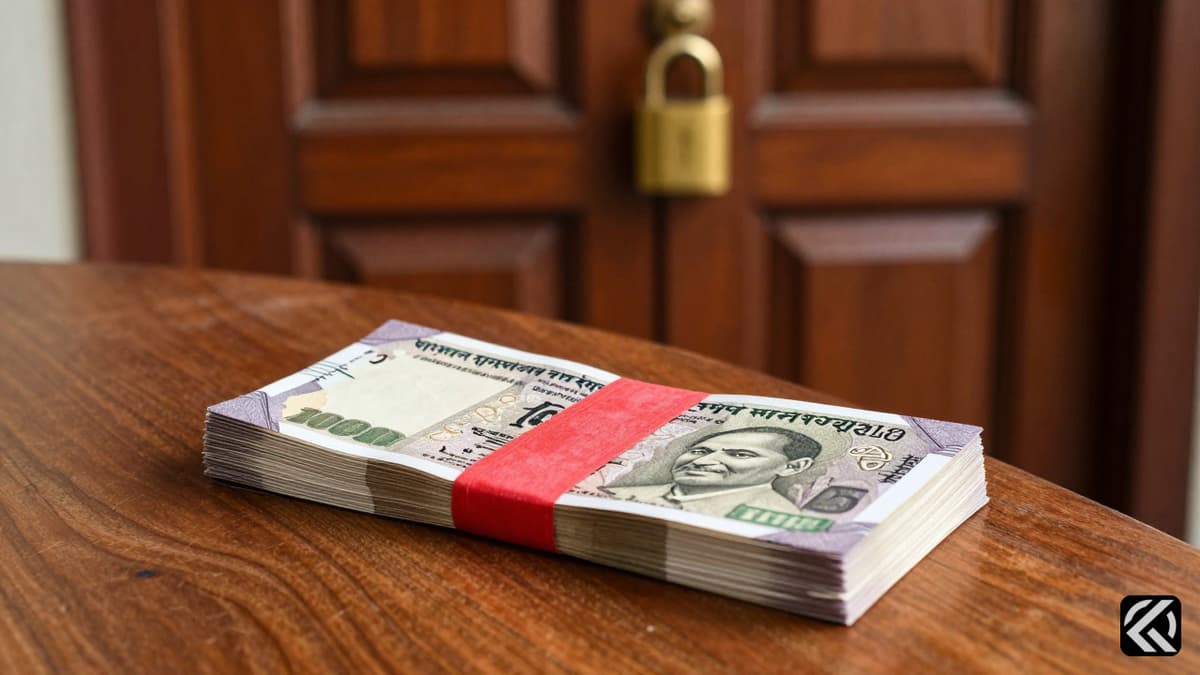
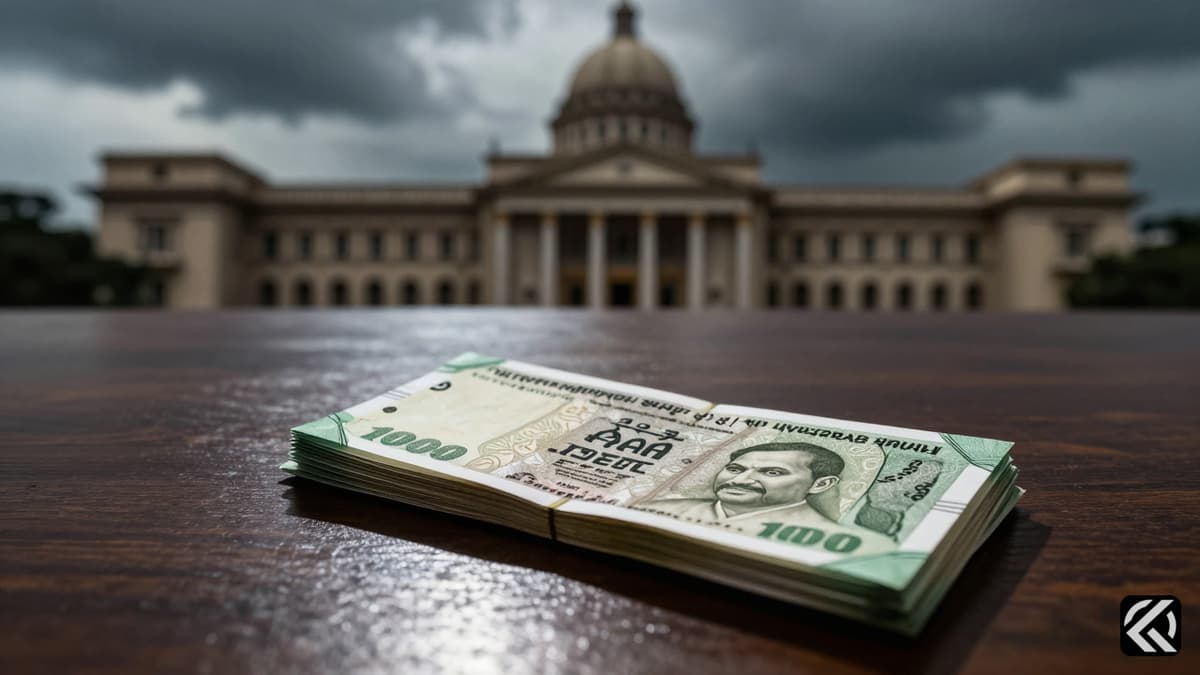
The core of the controversy lies in the specific financial figure cited by Raut: ₹15 crore. By characterizing the opposition’s strategy as "Apna Sapna money money" (The dream is only money), Raut framed the alleged bribery not just as a political tactic, but as a moral failing of the rival administration. This allegation serves to delegitimize any potential defectors by painting their actions as motivated purely by greed rather than ideological or strategic differences. The specificity of the amount suggests detailed intelligence or leaks from within the negotiation circles, turning the rumor mill into a matter of public record and political accusation.
The timing of these allegations is critical. With the Monsoon Session of the Maharashtra Legislature set to kick off on June 22, the window for last-minute maneuvering is closing. Uddhav Thackeray has scheduled a significant meeting for MLAs and MLCs on June 22, aiming to present a united front just as the legislative body reconvenes. Simultaneously, the party is preparing for the 60th foundation day of the undivided Shiv Sena on June 19, an event Raut insists all MPs will attend to demonstrate solidarity. These dual strategies-legalistic consolidation and symbolic unity-form the backbone of the party’s defense against the alleged buyout.
On the ground, the messaging from the Shinde camp remains unabated. Shiv Sena Minister Pratap Sarnaik reinforced the openness of his party’s doors, stating unequivocally that "Shiv Sena’s doors are open 24X7 and 365 days, anyone can join us." This invitation acts as both a recruitment tool and a psychological pressure tactic, reminding current members that their position is not secure and that the opposition is actively working to dismantle the rival faction’s numerical strength. The contrast between Raut’s outrage and Sarnaik’s casual openness highlights the divergent strategies: one focusing on moral condemnation and the other on opportunistic expansion.
The presence of only four MPs at Thackeray’s Matoshree meeting earlier in the week remains a point of contention. Critics argue that the physical absence of most MPs indicates a loss of confidence or active preparation to leave. However, supporters within the party argue that the Delhi trip by Raut and Desai is a proactive measure to win back wavering members before the final decisions are made. The race is essentially between the financial allure of the ₹15 crore advance and the ideological or traditional loyalty to the Thackeray family legacy.
As the date for the Monsoon Session approaches, the political atmosphere in Mumbai is thick with anticipation. The allegations of bribery, if true, would represent a significant escalation in the tactics used to engineer legislative defections in recent Indian political history. If the seven MPs and sixteen MLAs do switch sides, it could significantly impact the government’s stability and the opposition’s ability to block or pass legislation during the session. Conversely, if the party holds firm, the allegations will be used to paint the Shinde government as illegitimate and corrupt, potentially influencing public opinion and future electoral strategies.
The interplay between social media statements, official denials, and opposition admissions creates a complex web of information. While Raut’s post provides a specific claim, it relies on the validity of the rumor which the opposition has now confirmed in part. The upcoming events-the legislative session and the foundation day-will serve as the ultimate tests of loyalty, with physical attendance acting as the primary indicator of where the MPs truly stand. The political world watches closely to see if the money speaks louder than the ideology.
The current crisis underscores the fragility of political alliances in state governance. If the alleged defections proceed as stated by Krupal Tumane, the Shiv Sena (UBT) will suffer a severe numerical setback, complicating Uddhav Thackeray’s legislative agenda during the Monsoon Session. The party’s ability to withstand the financial pressure of the ₹15 crore offer will determine its immediate relevance and strategic positioning. Conversely, a successful retention of MPs would validate Thackeray’s leadership and undermine the Shinde camp’s expansion efforts, potentially leading to further political realignments in the coming months.
Jun 17, 2026 00:58 UTC
US-Iran 60-Day Challenge: Peace Deal Leaves Nuclear Details Pending
Jun 16, 2026 22:51 UTC
G7 Summit: Modi Warns of Hormuz Risks, Trump Pushes Russian Sanctions
Jun 16, 2026 18:58 UTC
G7 Leaders Intensify Pressure on Russia with New Sanctions
Jun 16, 2026 18:36 UTC
Trump Claims US-Iran Agreement Opens Strait of Hormuz Without Tolls
Jun 17, 2026 10:43 UTC
Shiv Sena (UBT) Denies Loyalty Amid Bribery Allegations