Top Left party leaders have strongly criticized the Governor's actions regarding government formation, arguing that the constitutional process was bypassed in a politically charged environment.
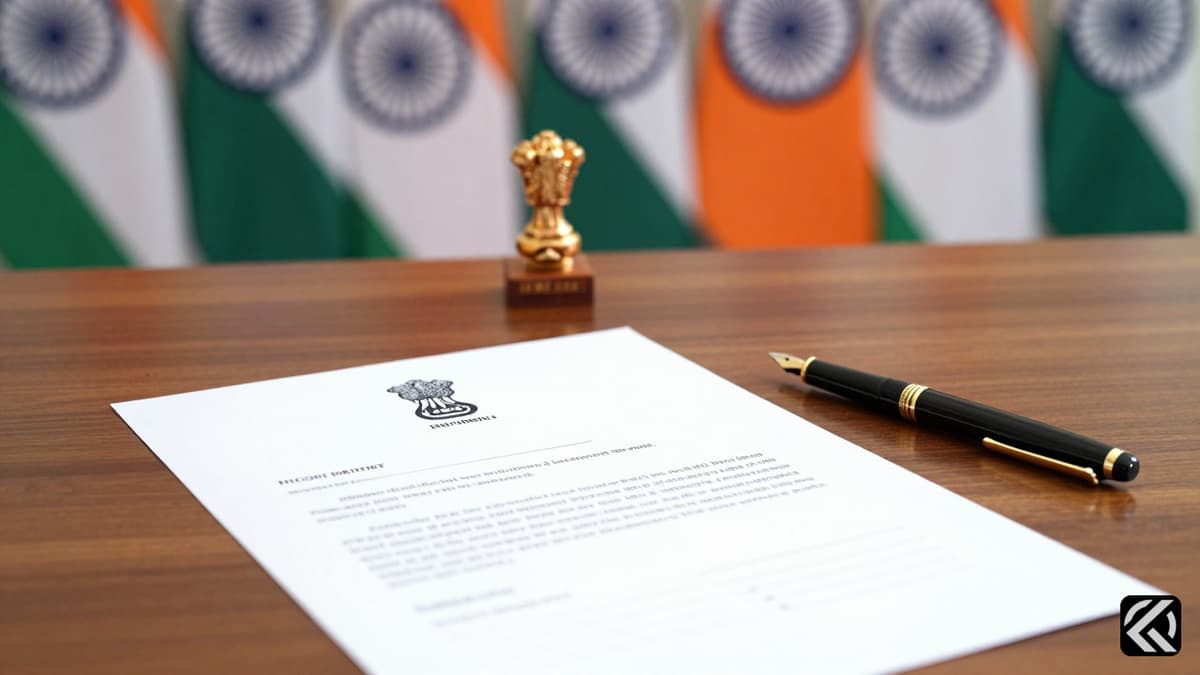
In a significant political development on Thursday, May 7, 2026, the Communist Party of India (Marxist) and the Communist Party of India issued a joint condemnation of Tamil Nadu Governor Rajendra Vishwanath Arlekar. The two parties labeled the Governor's decision not to invite Tamilaga Vettri Kazhagam (TVK) chief C. Joseph Vijay to form the state government as an "undemocratic" act and a direct "insult" to the voters' mandate.
The criticism emerged as the state grapples with the complexities of post-election coalition building. Both the CPI(M) and CPI general secretaries articulated strong objections to the Governor's refusal to engage with the single largest party in the Tamil Nadu Assembly. They argued that ignoring the electoral verdict undermines the fundamental principles of representative democracy.
CPI(M) general secretary M.A. Baby drew a historical parallel to the political climate of 1996 at the national level. He cited the tenure of the late Prime Minister Atal Bihari Vajpayee, noting that despite the BJP-led government lasting only 13 days, Vajpayee was granted the opportunity to form a government. Baby explained that while it was widely known that Vajpayee lacked the numbers, a Parliament session was convened to allow him to demonstrate his strength. In contrast, Baby argued that TVK, as the single largest party in the current Tamil Nadu Assembly, should have been called upon to form the government by virtue of its position.
“No one has staked claim to form government, it is highly objectionable and undemocratic to ignore the verdict given by the people,” Baby stated, emphasizing the urgency of respecting the public’s choice.
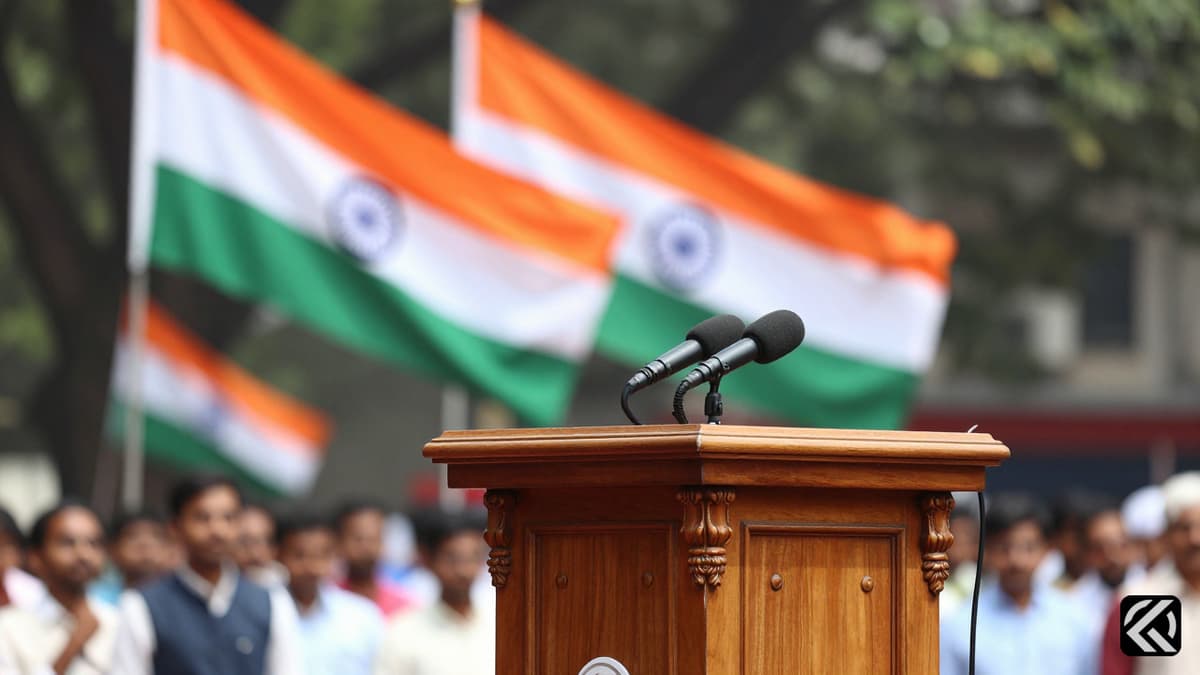
Simultaneously, CPI general secretary D. Raja focused on the procedural aspects of establishing a government. He asserted that the strength of any administration must be tested on the floor of the Assembly rather than within the Governor’s residence. Raja insisted that the mandate clearly favors the new party TVK, headed by Vijay, and that this should be officially recognized. He urged the Governor to adhere to the established practices and conventions of a multi-party democracy by calling upon the single largest party to form the government.
“The mandate is in favour of the new party TVK headed by Vijay. This should be recognised. The Governor should call upon the single largest party to form the government,” Raja said. He reiterated that the floor test should strictly take place on the Assembly floor, not at the Governor’s residence, to ensure transparency and democratic integrity.
While both general secretaries delivered sharp critiques of the Governor’s actions, they stopped short of clarifying whether the Left parties would extend support to TVK. This ambiguity highlights the complex political landscape in Tamil Nadu, where alliances are often fluid and strategic.
Addressing the broader political context, Raja emphasized that the Left parties fought as part of the Secular Progressive Alliance specifically to stall the Bharatiya Janata Party (BJP). He reaffirmed their commitment to continuing this struggle against the BJP. “We fought as part of Secular Progressive Alliance to stall BJP. We will continue to fight against the BJP,” Raja stated. He warned that the BJP should not be permitted to use unethical tricks to intervene and create trouble for the people of Tamil Nadu.
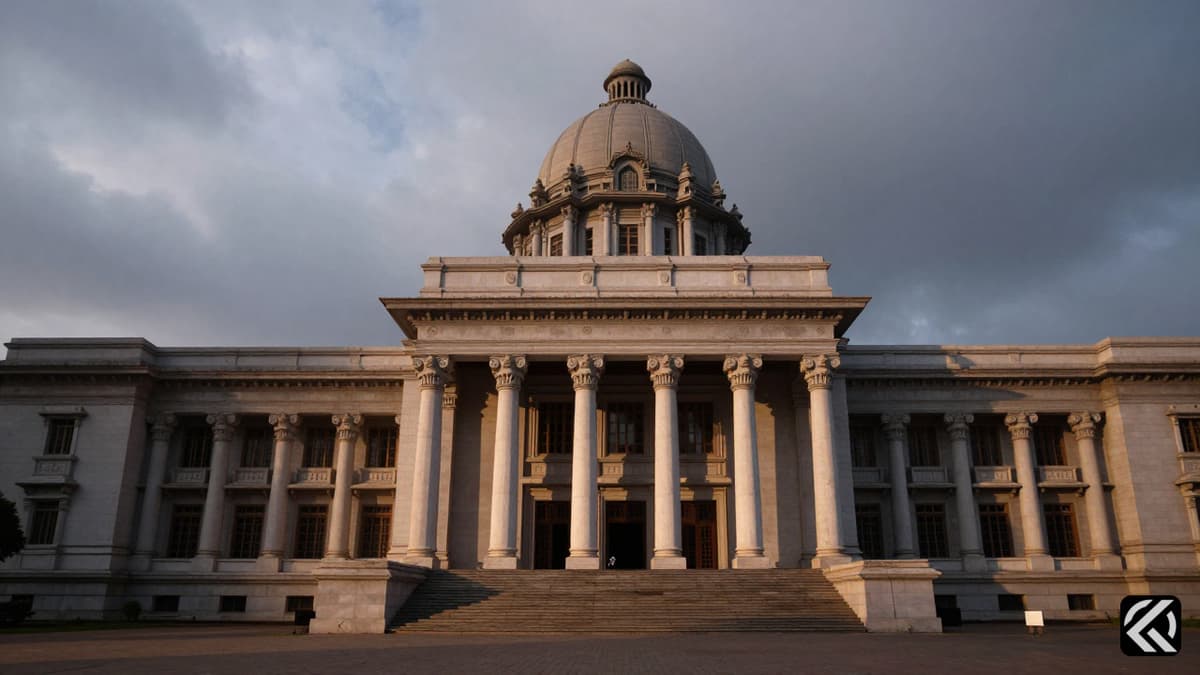
The situation underscores the tension between constitutional conventions and political maneuvering. The Governor’s decision to withhold the invitation to TVK has sparked a debate on whether the office is acting within its traditional boundaries or intervening in the political process. The Left parties’ reference to the Vajpayee era suggests that they view the current situation as a deviation from historical norms where even minority governments were given a chance to prove their majority.
As the state awaits further developments, the focus remains on how the Governor will proceed and whether the TVK will be able to secure the necessary support to form a government. The upcoming floor test will be the ultimate arbiter of the current political crisis, determining the validity of the claims made by various parties.
The current standoff between the Left parties and the Tamil Nadu Governor highlights deepening fissures in the state's political fabric. As the Left continues to oppose the BJP while remaining non-committal about supporting TVK, the path to a stable government remains unclear. If the Governor maintains his stance, it may lead to prolonged political instability or a shift in alliance dynamics. The eventual floor test will not only determine the next government but also set a precedent for how future coalition governments are formed in the state, potentially influencing national political strategies and the role of the Governor in state affairs.
May 8, 2026 19:28 UTC
Iran Transforms Destroyed B1 Bridge Into Symbol of Resistance
Join 50,000+ readers getting the global briefing every morning.
No spam. Unsubscribe anytime.
May 9, 2026 01:12 UTC
Suvendu Adhikari to Assume Office as Bengal's 9th Chief Minister
May 8, 2026 21:27 UTC
Trump Orders Pentagon to Release First UFO Files
May 8, 2026 21:20 UTC
Trump Issues Veiled Nuclear Threat Amid US-Iran Tensions
May 8, 2026 19:28 UTC
Iran Transforms Destroyed B1 Bridge Into Symbol of Resistance