
Section
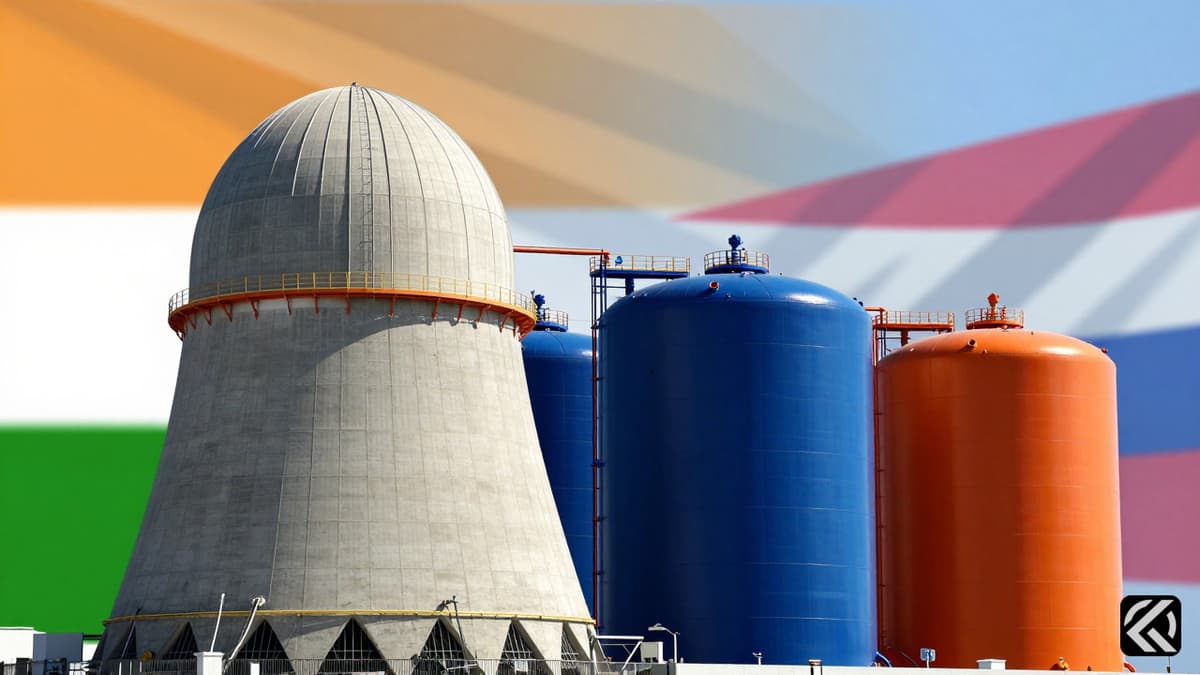
Russian FM Sergey Lavrov vows to honor all energy agreements with India, praising PM Modi and dismissing fears of diverging bilateral paths.
Russian Foreign Minister Sergey Lavrov has issued a firm guarantee that Russia will fulfill all existing agreements regarding energy supplies to India, asserting that these commitments will withstand unfair external competition. Speaking in a pre-visit interview with Russia Today-India ahead of his scheduled trip to New Delhi this week, Lavrov emphasized that the foundational basis of the two nations' relationship is friendship, noting that there is no conceivable scenario in which their diplomatic or strategic paths would diverge. He sought to reassure partners that India's interests in securing Russian energy would not suffer, promising that Russia would take all necessary steps to prevent dishonest competition from damaging these critical agreements.
Lavrov underscored Russia’s historical reliability as an energy supplier, stating that Russia has never failed to fulfill its obligations to India or any other partner in this domain. He identified the Kudankulam Nuclear Power Plant as a flagship project that meets a significant share of India's energy requirements. Construction at this facility, located in Tamil Nadu with technical assistance from Russia, began in March 2002. Since February 2016, the first power unit has operated steadily at its design capacity of 1,000 MW. According to Russian state media, the plant is expected to reach full capacity operations by 2027. Lavrov confirmed that cooperation on constructing new power units for this nuclear plant is ongoing, even as he acknowledged that India requires additional energy sources, which are being supplied through continued deliveries of hydrocarbons, including gas, oil, and coal.
In addition to discussing infrastructure, Lavrov offered high praise for Indian Prime Minister Narendra Modi during the interview. He described Modi as one of the most energetic leaders the world has ever seen, noting his ability to channel immense energy toward achieving maximum sovereignty. Lavrov highlighted that Modi’s goals span critical spheres such as the economy, military, defense, culture, and the preservation of India’s unique civilisational wealth. The Russian Foreign Minister argued that the depth of the Russia-India relations makes it difficult to find a single word in human languages that adequately describes the relationship, calling it "full and deep" and "unthinkable" to imagine a divergence between the two countries.
The minister further illustrated the strength of bilateral ties by referencing cultural connections, invoking the phrase 'Hindi-Rusi bhai bhai' (Indians and Russians are brothers). He noted that this sentiment is not merely a slogan but a part of their shared culture, citing the immense popularity of Indian cinema, including the works of Raj Kapoor and recent television series, across every corner of Russia. Lavrov listed the pillars of their partnership as rock solid, including the economy, joint energy production, military cooperation, nuclear initiatives, cultural and humanitarian ties, and a high-level political dialogue characterized by unprecedented trust.
Lavrov also addressed external geopolitical challenges, warning that while some actors attempt to undermine the relationship by creating closed structures or imposing their own rules, these efforts are failing. He stated that both Russia and India are aware of these threats, which makes their resilience more valuable. During his upcoming visit to India, Lavrov is scheduled to hold talks with Indian External Affairs Minister S Jaishankar and attend the BRICS Foreign Ministers’ meeting. The two ministers will exchange views on current international and regional issues, with special attention expected to be paid to the situation in the Middle East. They will also compare notes on cooperation within the UN, BRICS, and the G20.
The Russian Foreign Ministry outlined that the upcoming discussions will prioritize expanding trade and intensifying efforts to build sustainable transport, logistics, and financial channels that are protected from unlawful external pressure. Deepening energy cooperation and increasing collaboration in science and space technology are also set to be key agenda items. As Lavrov engages with Indian counterparts, the focus remains on reinforcing the economic and strategic frameworks that support these enduring ties. Given the explicit commitment to fulfilling energy deals and the ongoing construction at key nuclear facilities, it is evident that Russia intends to maintain a robust and reliable energy partnership with India. The emphasis on creating financial and logistics channels insulated from external pressure suggests a long-term strategic shift toward self-reliance and mutual protection against geopolitical volatility. As the Kudankulam plant approaches full capacity in 2027, the continued joint efforts in nuclear technology and hydrocarbon supply will likely serve as the backbone of this relationship, ensuring that bilateral interests remain aligned regardless of global market fluctuations or external diplomatic pressures.
Jun 11, 2026 12:59 UTC
US Strike on Settebello Kills Indian Sailors Amid Strait of Hormuz Tensions
Jun 11, 2026 12:49 UTC
Air India Flight 171 Crash Sparks Debate Over Boeing 787 Dreamliner Faults
Jun 11, 2026 08:51 UTC
US-Iran Conflict: Indian Seafarers Killed in Gulf Strike
Jun 11, 2026 18:04 UTC
Healey Quits Government Over Defence Spending Dispute


