
Section
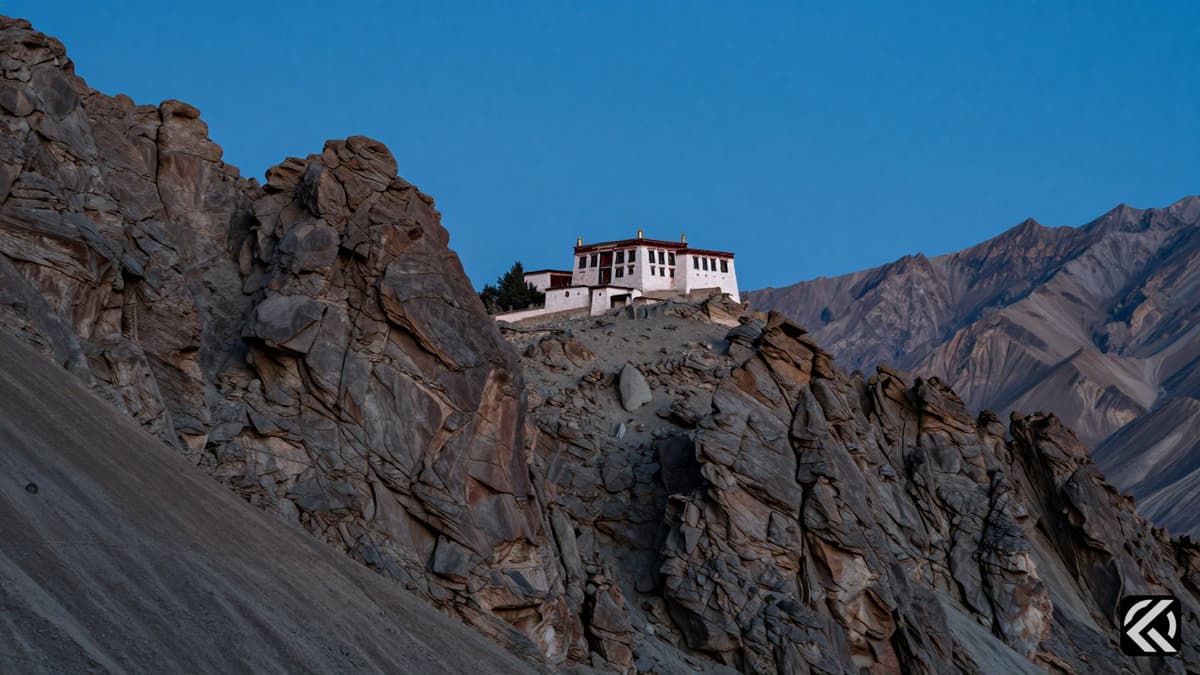
A major breakthrough sees Ladakh’s future take a decisive turn as representatives agree to establish an elected body with significant legislative and financial autonomy.
In a landmark development for the Union Territory of Ladakh, representatives from the Centre and local Ladakh bodies have officially agreed to the creation of an elected body at the UT level. This agreement, reached on Friday, grants this new body full legislative, executive, and financial powers, alongside the establishment of similar bodies in each of the seven districts. The decision marks a significant resolution to long-standing demands for greater autonomy and representation for the region.
The two sides resumed negotiations after a hiatus of over three months, a period that included the release of prominent environmentalist and activist Sonam Wangchuk in March following six months of detention under the NSA. His participation in the talks highlights the renewed political engagement and the urgency to address the region’s administrative concerns. The agreement centers on providing Ladakh with constitutional safeguards under Article 371, similar to those applicable to states like Nagaland, Sikkim, and Mizoram. These safeguards are designed to protect regional customs, indigenous cultures, land rights, and ensure equitable economic development.
While the arrangement does not fully meet the central demands of Ladakh bodies for immediate statehood, Sixth Schedule status, or a UT with a legislature, a government official noted that it accommodates the "essence and spirit" of these demands. The proposed elected body at the UT level will include all bureaucrats of the UT, including the chief secretary, who will report to its executive head, proposed to be the chief minister. This structure ensures that the elected representative holds direct control over the administrative machinery of the UT.
The Ladakh Apex Body (LAB) and Kargil Democratic Alliance (KDA), which had been agitating for an extended period, issued a press note following talks with home ministry representatives. They clarified that the Ministry of Home Affairs (MHA) explained Ladakh could not be granted Ladakh statehood "at the moment" because it "currently lacks adequate revenue generation to meet revenue expenditures like salaries of employees." However, the MHA added that the new setup is designed to lead Ladakh towards full statehood as and when it meets the necessary revenue criteria.
A source indicated that the two autonomous councils currently operating in Ladakh would be replaced by elected bodies with full legislative powers in all seven districts. This shift aims to democratize governance at the local level and ensure that decision-making power is vested in elected representatives rather than unelected councils. The composition, structure, and operational details of these bodies, including the legislative framework, will be determined by the MHA and Ladakh bodies in consultation with legal and constitutional experts.
This development is critical for the region, which has sought enhanced parliamentary representation and constitutional protections for years. The agreement represents a compromise that balances the central government’s fiscal constraints with the local demand for political empowerment. By leveraging Article 371, the government is addressing specific regional concerns without immediately altering the constitutional status of the region, a move that seeks to stabilize the political landscape while laying the groundwork for future changes.
The agreement to establish an elected body with substantial powers represents a nuanced approach to managing the political aspirations of Ladakh. By deferring immediate statehood due to revenue limitations, the government has opted for a progressive pathway that ties political status to economic viability. This strategy ensures that any future elevation to statehood is sustainable from a fiscal perspective, reducing the burden on the central exchequer while empowering local governance. The inclusion of constitutional safeguards under Article 371 provides a legal framework for protecting Ladakh’s unique cultural and ecological identity, addressing one of the core grievances that fueled the previous agitations.
The role of figures like Sonam Wangchuk in resuming talks underscores the importance of inclusive dialogue in resolving complex geopolitical issues. His involvement suggests that key stakeholders are now aligned toward a solution that prioritizes stability and development. The replacement of autonomous councils with district-level elected bodies further decentralizes power, potentially reducing administrative bottlenecks and enhancing local accountability. As the MHA and Ladakh bodies finalize the operational details in consultation with legal experts, the focus will shift to implementation. The long-term impact of this agreement could redefine the political landscape of the region, fostering a more robust and self-sustaining governance model that balances local autonomy with national integration.
Jun 11, 2026 17:21 UTC
Bangladesh Opposition Mobilizes Against India-Bangladesh Border Push-Ins and BSF Killings
Join 50,000+ readers getting the global briefing every morning.
No spam. Unsubscribe anytime.
Jun 11, 2026 17:40 UTC
Boelter Pleads Guilty in Minnesota Political Assassinations
Jun 11, 2026 17:21 UTC
Bangladesh Opposition Mobilizes Against India-Bangladesh Border Push-Ins and BSF Killings
Jun 11, 2026 17:21 UTC
John Healey Quits as UK Defence Secretary Over Funding Dispute
Jun 11, 2026 16:19 UTC
UK Defence Secretary John Healey Quits Over Funding Dispute


