Section

In a decisive political move, the BJP has appointed Jat Sikh Kewal Singh Dhillon as the new Punjab president, aiming to bridge electoral gaps before upcoming state polls.
The Bharatiya Janata Party (BJP) has initiated a significant leadership restructuring within its Punjab unit, appointing Kewal Singh Dhillon as the new state president. This decision, announced on Thursday, serves as a clear signal of the party's ambitious political outreach as the state prepares for upcoming assembly elections. Dhillon, a Jat Sikh hailing from the politically decisive Malwa region, represents a strategic pivot for the BJP. By placing a leader from this specific demographic at the helm, the party aims to address its historical challenges in connecting with rural and agrarian voters who form a crucial part of the state's electoral landscape.
This appointment is not merely an administrative change but a calculated political gambit. The BJP is attempting to make inroads into the influential Jat Sikh community, a group that has played a pivotal role in recent political agitation, particularly against the farm laws which were withdrawn by the government in 2021. The party's previous strategy relied on a coalition with the Akali Dal, where the BJP’s core urban Hindu voter base was expected to complement the Akali Dal’s largely Sikh vote bank. However, the split between these parties in 2021 forced the BJP to reconsider its approach, prompting a direct bid for power rather than relying on allied support.
Dhillon, aged 76, holds a unique position within the party’s history in the state. He is only the second Sikh to head the BJP in Punjab, following former MP Daya Singh Sodhi. His selection underscores the party's recognition of the need for leadership that resonates with the state's diverse social fabric. Seen as close to former Chief Minister Amarinder Singh, who joined the BJP in 2022, Dhillon brings with him a network of influence that the party hopes will strengthen its standing. His appointment replaces Sunil Jakhar, who had served a long stint with both the Congress and the BJP. Jakhar had expressed a wish to quit in 2024 but was persuaded by the BJP leadership to remain in his post until this transition.

The broader context of this leadership change is the crowded political arena in Punjab, where power is contested by three major contenders. The current Chief Minister, Bhagwant Mann, is an AAP leader. The Congress president of the state is Amrinder Singh Raja Warring, and the supremo of the Akali Dal is Sukhbir Singh Badal. Notably, all three of these powerful political figures hail from the Jat Sikh community, a largely agrarian community that wields significant political sway. In a state where the BJP’s core voter bank has traditionally been concentrated among urban Hindus, this demographic challenge has been persistent. The appointment of Dhillon is therefore viewed as both audacious and risky, aiming to counter the consolidated influence of Jat Sikhs across the opposition spectrum.
The BJP has previously rewarded Jat Sikhs with key positions, including Taranjit Singh Sandhu, now the Lieutenant Governor of Delhi, and Union Minister Ravneet Singh Bittu. These appointments suggest a pattern of integrating prominent figures from this community into the party's fold. By appointing Dhillon as the BJP Punjab president, the party is further cementing this strategy, hoping to replicate this success in electoral outcomes. The move is part of a wider top-level change across four states, including the appointment of Union Minister Harsh Malhotra as the Delhi unit president, indicating a coordinated effort to strengthen party units in key political battlegrounds.
This leadership transition marks a definitive shift in the BJP’s operational strategy in Punjab. The appointment of a Jat Sikh leader from the Malwa region addresses the party's need for credible representation in areas where its traditional urban base is weak. By replacing Sunil Jakhar, who had signaled his intent to step down, the party has removed a potential obstacle to this demographic outreach. The success of this strategy will depend heavily on Dhillon’s ability to mobilize the agrarian vote and counter the combined strength of the AAP, Congress, and Akali Dal, all of which are led by figures from the same community. As the assembly polls approach, the BJP’s performance will likely hinge on whether this structural change can effectively translate into tangible voter support, moving the party beyond its urban strongholds and establishing a more robust foothold in the state’s heartland. The broader implication is a recognition by the BJP that winning Punjab requires more than just ideological alignment; it demands deep, culturally resonant political connections.
Jun 11, 2026 17:21 UTC
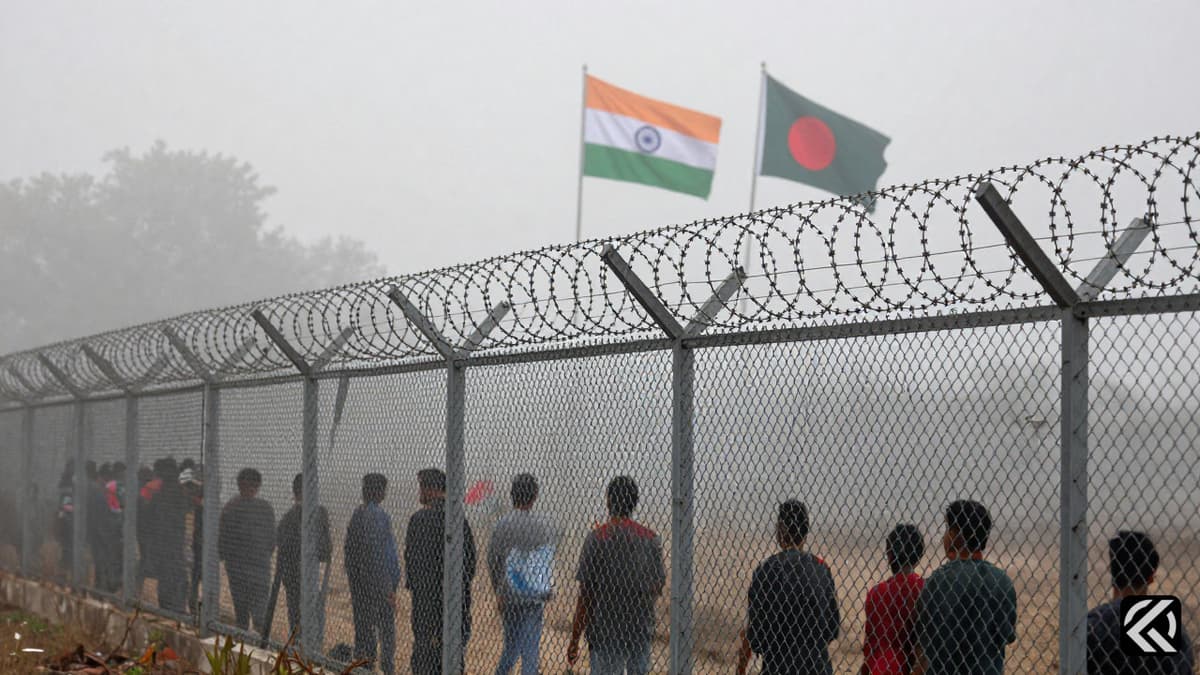
Bangladesh Opposition Mobilizes Against India-Bangladesh Border Push-Ins and BSF Killings
Join 50,000+ readers getting the global briefing every morning.
No spam. Unsubscribe anytime.
Jun 11, 2026 17:40 UTC
Boelter Pleads Guilty in Minnesota Political Assassinations
Jun 11, 2026 17:21 UTC
Bangladesh Opposition Mobilizes Against India-Bangladesh Border Push-Ins and BSF Killings
Jun 11, 2026 17:21 UTC
John Healey Quits as UK Defence Secretary Over Funding Dispute
Jun 11, 2026 16:19 UTC
UK Defence Secretary John Healey Quits Over Funding Dispute