Section
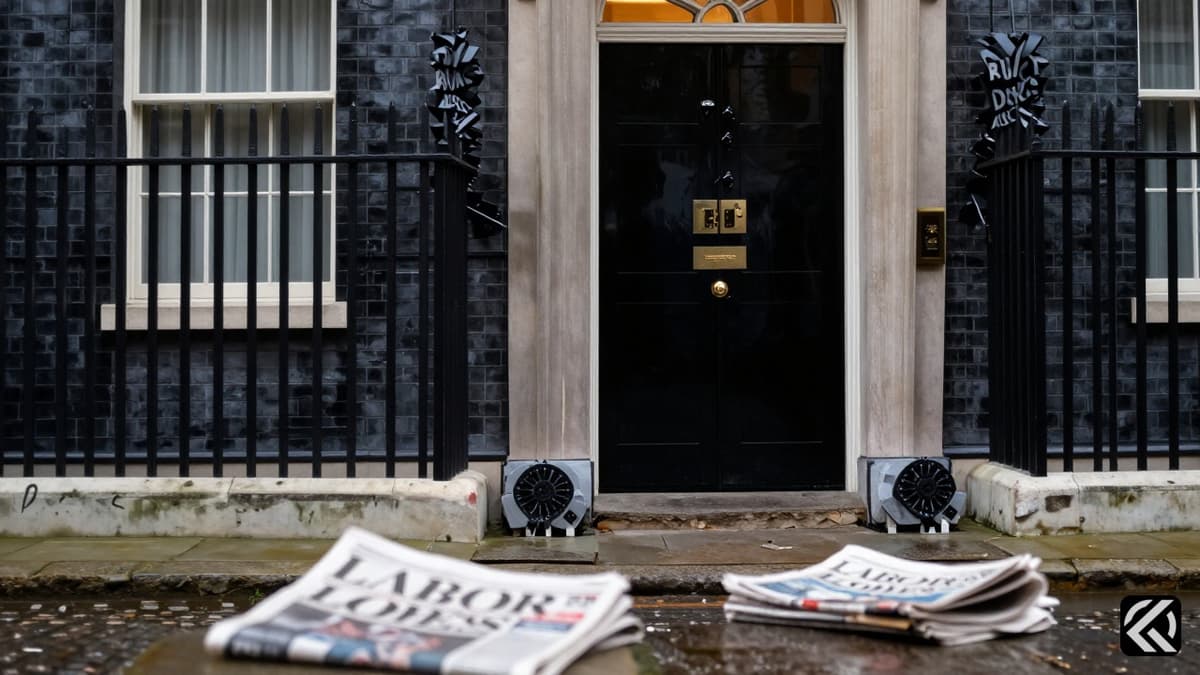
Keir Starmer vows to stay on despite heavy losses for the Labour Party and internal dissent, rejecting any leadership challenge amid the Peter Mandelson scandal.
British Prime Minister Keir Starmer has firmly rejected calls for his resignation following a devastating performance by the Labour Party in recent subnational elections across the United Kingdom. Acknowledging the severity of the results, he announced on Monday, May 11, 2026, that he would continue in his post while preparing a "bigger response" to the political challenges facing the nation.
The Prime Minister delivered this address in London, framing the electoral setbacks not merely as a policy failure but as a complex political struggle. He argued that stepping down would invite the same instability that plagued the previous Conservative administration. Starmer pointed to the fourteen years of Tory rule, which saw five different Prime Ministers, including the brief tenure of Liz Truss, as a cautionary tale of leadership instability.
The electoral results in question revealed significant erosion of Labour’s support base. In England, the party lost approximately 1,500 councillors and control of 40 councils. In Wales, Labour, which had historically dominated politics for a century, saw votes shift to the nationalist party Plaid Cymru. Simultaneously, in both England and Wales, Labour lost ground to the nativist Reform UK party on the right and the Green Party on the left. These losses have coincided with historically low popularity ratings for the sitting Prime Minister.
Compounding these electoral defeats is ongoing discord within the party regarding its direction on immigration and welfare spending. Starmer’s government has pursued a relatively centrist agenda, diverging from traditional Labour advocacy, which has fueled frustration among some members. One prominent critic, former Foreign Office Minister turned backbench MP Catherine West, stated she would challenge Starmer for the leadership if no senior MP did so by Monday. Starmer confirmed he would fight any such challenge.
Another significant point of contention is the appointment of Peter Mandelson, an associate of the late convicted paedophile Jeffrey Epstein, as Britain’s envoy to the United States. This decision has sparked outrage, with former Deputy Prime Minister Angela Rayner describing it as evidence of a "toxic culture of cronyism." Rayner has urged Starmer to shift policies further to the left, arguing that the government has failed to address the cost of living, which remains the top concern for voters. She suggested this failure is driving people toward nationalist and populist alternatives.
Despite the internal pressure, Starmer outlined a clear strategic pivot in his speech. He announced plans to speed up legislation to nationalize British Steel, which was sold off in 1998. Furthermore, he emphasized a desire for closer ties with Europe, stating the government aims to put "Britain at the heart of Europe." More details on this agenda are expected in the upcoming ‘King’s Speech’ on Wednesday, which will outline the government’s legislative priorities for the next year.
Starmer also addressed his critics directly, acknowledging that the results "hurt" and that he knows he has doubters. He pledged to prove them wrong, asserting that neither Reform leader Nigel Farage nor Green Party leader Zac Polanski offered the "serious, progressive leadership" required. However, his judgment has been questioned not only by critics like Rayner but also regarding the handling of potential challengers. There has been criticism that Starmer and his allies blocked Mayor of Greater Manchester Andy Burnham from returning to Parliament, a move Rayner recently called a mistake. Starmer defended this by stating the decision lay with the Labour’s National Executive Committee but emphasized his close working relationship with Burnham.
As the Labour Party faces this pivotal moment, the interplay between electoral reality and internal party dynamics will define its future. The government’s ability to implement its proposed nationalization and European integration strategies may determine whether Starmer can consolidate support or if the pressure from both the left and right will force a change in leadership. The coming months will test the resilience of the current administration as it attempts to regain public trust amidst a polarized political landscape.
The combination of significant electoral losses and the Peter Mandelson scandal presents a critical juncture for the current administration. If the government fails to deliver on its promised centrist agenda or address the cost of living crisis effectively, the Labour Party leadership challenge could gain substantial traction from both the left-wing and right-wing factions of its base. The outcome of the King's Speech and subsequent legislative efforts will likely determine whether Starmer can weather this internal storm or if a leadership change becomes inevitable to restore party cohesion and public confidence.
Jun 11, 2026 12:59 UTC
US Strike on Settebello Kills Indian Sailors Amid Strait of Hormuz Tensions
Jun 11, 2026 12:49 UTC
Air India Flight 171 Crash Sparks Debate Over Boeing 787 Dreamliner Faults
Jun 11, 2026 08:51 UTC
US-Iran Conflict: Indian Seafarers Killed in Gulf Strike
Jun 11, 2026 18:04 UTC
Healey Quits Government Over Defence Spending Dispute