Section

The Janata Dal (Secular) confronts an existential crisis as D.K. Shivakumar’s elevation to Karnataka CM threatens its political standing and internal unity.
The political landscape in Karnataka is undergoing a significant transformation, marked by a critical change of guard in the state's Congress-led government. This transition is not merely a routine administrative shift but is being perceived as a profound existential challenge for the Janata Dal (Secular). The party’s leadership is currently grappling with the implications of this new power dynamic, recognizing that the current configuration poses severe risks to their political survival and relevance in the region.
In response to these mounting pressures, the Janata Dal (Secular) is contemplating dramatic strategic moves to navigate this turbulent period. Central to these discussions is the potential full-time return to state politics by Union Minister H.D. Kumaraswamy. This possibility has emerged as a focal point of internal deliberation, signaling that the party is preparing for a significant realignment of its political strategy to counter the challenges posed by the new administrative setup.
For the Janata Dal (Secular), the elevation of D.K. Shivakumar to the Chief Ministership is viewed as deeply disadvantageous, particularly for H.D. Kumaraswamy. This disadvantage stems from their shared affiliation with the Vokkaliga community, a critical demographic in Karnataka’s politics. The two leaders have been engaged in a decades-long contest for influence over this community, particularly within the Old Mysore region. Shivakumar’s ascension to the highest office in the state effectively tips the scales in this long-standing internal rivalry, threatening to diminish Kumaraswamy’s political footprint.
The core of this conflict lies in the historical and ongoing struggle for dominance within the Vokkaliga community. Both Shivakumar and Kumaraswamy have historically vied for the allegiance of this influential group, which has traditionally been a strong base for the Janata Dal (Secular). The shift in power dynamics brought about by Shivakumar’s new role creates a scenario where Kumaraswamy’s influence is directly challenged. This is not just a personal rivalry but a structural challenge to the party’s traditional stronghold in the Old Mysore region.

The contemplation of Kumaraswamy returning to full-time state politics is a direct response to this perceived threat. As a Union Minister, Kumaraswamy has maintained a significant profile in national politics, but the current situation in Karnataka necessitates a re-evaluation of his political priorities. The party leadership likely views a full-time return as a necessary step to reassert control and challenge the new status quo established by the Congress-led government and its new Chief Minister.
This potential return highlights the internal urgency felt by the Janata Dal (Secular). The leadership recognizes that passive observation of the changing political landscape is no longer a viable option. By bringing Kumaraswamy back to the forefront of state-level politics, the party aims to create a formidable counter-weight to Shivakumar’s authority. This move is seen as a way to mobilize the party’s base and potentially reclaim the influence that has been gradually eroding in the Old Mysore region.
The situation underscores the fragility of the current political alliances in Karnataka. The Congress-led government’s stability is now intertwined with the reactions of its potential allies and rivals. For the Janata Dal (Secular), the elevation of Shivakumar is not just a loss of a rival but a potential loss of their core voter base. The decades-long contest for Vokkaliga support means that any shift in loyalty can have far-reaching consequences for the party’s electoral prospects.
Furthermore, the existential nature of this challenge suggests that the Janata Dal (Secular) is at a crossroads. The party must decide whether to adapt its strategy significantly or risk further marginalization. The discussions around Kumaraswamy’s return indicate a willingness to take bold risks. However, the success of such a strategy depends on the ability to reignite support within the Vokkaliga community and counter the narrative established by Shivakumar’s administration.
The implications of this power shift extend beyond immediate political maneuvering. It affects the broader political discourse in Karnataka, where community-based politics play a crucial role. The contest between Shivakumar and Kumaraswamy is a microcosm of larger trends within the state’s political ecosystem. How the Janata Dal (Secular) responds to this challenge will likely influence the strategies of other political parties and the overall stability of the state government.
As the party leadership continues to deliberate, the potential return of H.D. Kumaraswamy to state politics remains a key variable. It represents a strategic pivot aimed at addressing the immediate threat posed by Shivakumar’s elevation. The coming weeks will be critical in determining whether this move will help the Janata Dal (Secular) stabilize its position or if it will lead to further fragmentation.
The challenge is not just about retaining power but about maintaining relevance in a rapidly changing political environment. The Janata Dal (Secular) must navigate this complexity carefully, balancing internal dynamics with external political pressures. The outcome of this situation will define the party’s future trajectory and its role in Karnataka’s political landscape for years to come.
The Janata Dal (Secular) faces a pivotal moment as D.K. Shivakumar’s elevation threatens its core support base in the Vokkaliga community. The potential return of H.D. Kumaraswamy to state politics signals a strategic retreat from national duties to address local existential risks. If the party fails to effectively challenge Shivakumar’s influence, it may face further erosion of its political relevance. The coming period will determine whether this dramatic shift revitalizes the party or accelerates its decline in Karnataka’s complex political arena.
Jun 11, 2026 17:21 UTC
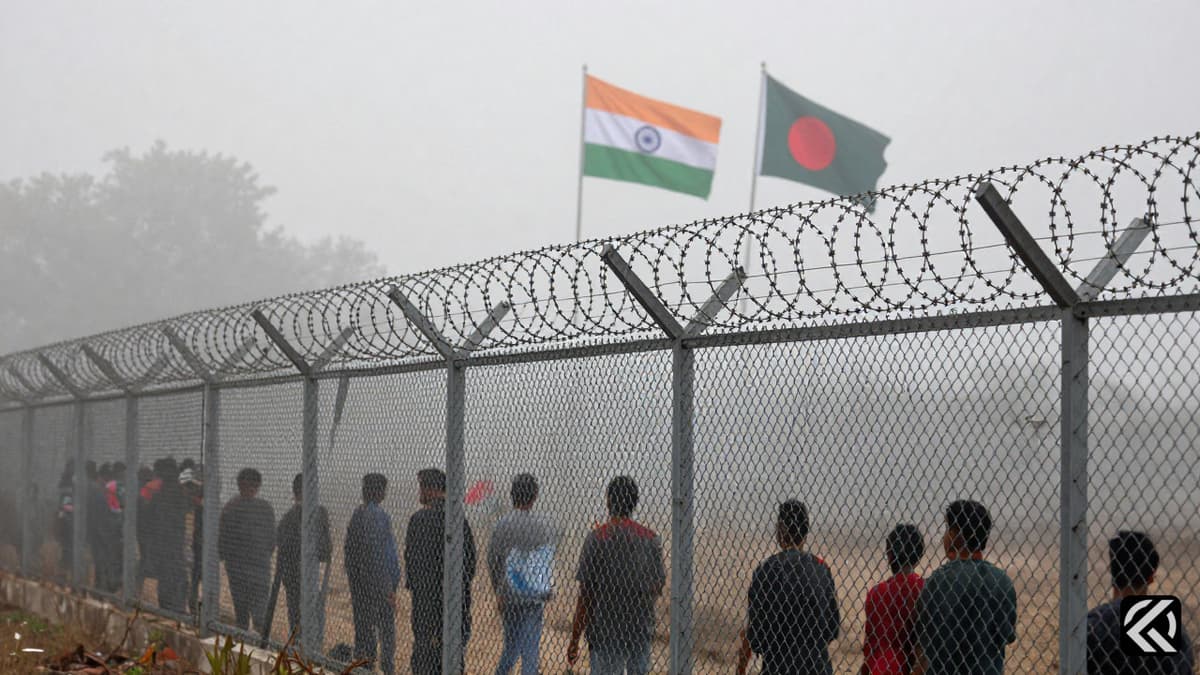
Bangladesh Opposition Mobilizes Against India-Bangladesh Border Push-Ins and BSF Killings
Join 50,000+ readers getting the global briefing every morning.
No spam. Unsubscribe anytime.
Jun 11, 2026 17:40 UTC
Boelter Pleads Guilty in Minnesota Political Assassinations
Jun 11, 2026 17:21 UTC
Bangladesh Opposition Mobilizes Against India-Bangladesh Border Push-Ins and BSF Killings
Jun 11, 2026 17:21 UTC
John Healey Quits as UK Defence Secretary Over Funding Dispute
Jun 11, 2026 16:19 UTC
UK Defence Secretary John Healey Quits Over Funding Dispute