
Section
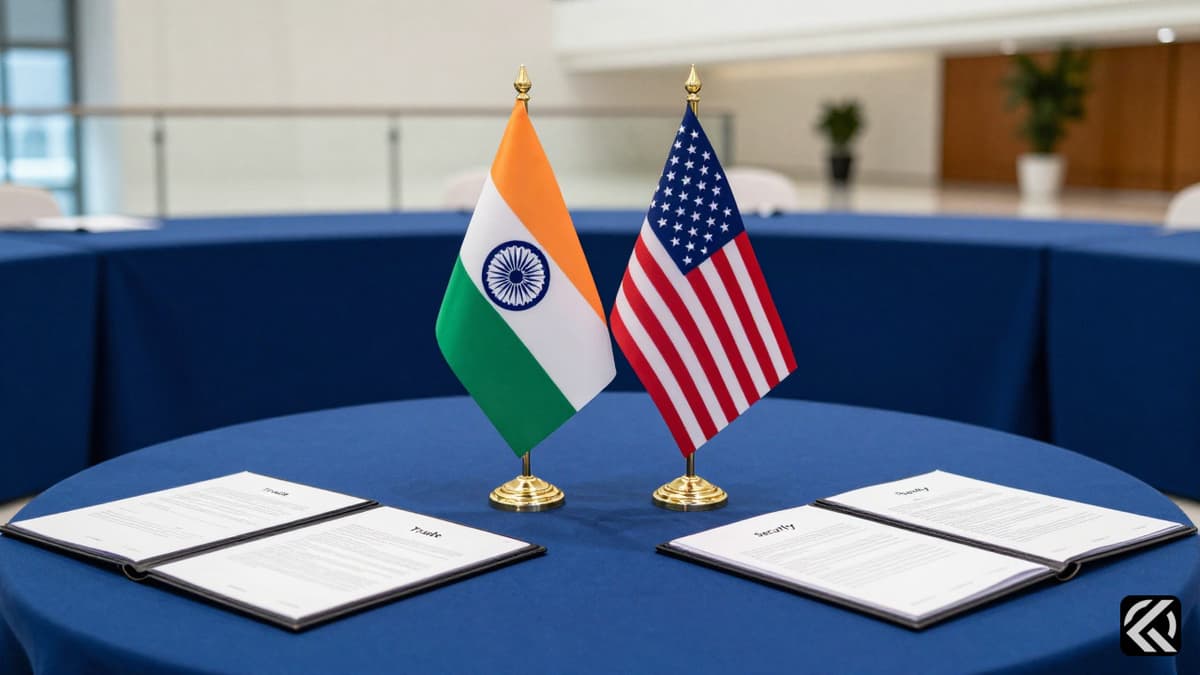
India’s External Affairs Minister outlines a five-point diplomatic framework during high-level strategic talks with US Secretary of State Marco Rubio in New Delhi, signaling strengthened bilateral cooperation.
External Affairs Minister S. Jaishankar has laid out a comprehensive five-point framework for India’s foreign policy during intensive bilateral discussions with US Secretary of State Marco Rubio in New Delhi. Held at Hyderabad House on Sunday, May 24, 2026, the high-level meeting underscored New Delhi’s commitment to diplomatic conflict resolution and its opposition to the weaponization of global trade. The talks marked a significant milestone in India-US relations, with both leaders emphasizing strategic alignment on critical global issues ranging from the conflict in West Asia to developments in the Indo-Pacific region.
The dialogue occurred during Rubio’s inaugural visit to India, a trip that New Delhi describes as reinforcing the continuous engagement established since his assumption of office. Mr. Jaishankar noted that regular coordination has taken place across various global platforms, including Washington, New York, and recent events in France. This sustained interaction has allowed both nations to oversee a broad-based and expanding partnership built on converging national interests.
During the joint press briefing, Mr. Jaishankar articulated India’s core positions on major international matters, stressing the necessity of lawful conduct and economic resilience. He outlined five key principles guiding New Delhi’s approach to global challenges. First, India advocates for dialogue and diplomacy as the primary tools for addressing conflicts. Second, the nation supports safe and unimpeded maritime commerce, a critical lifeline for global economic stability.
Third, India demands scrupulous respect for international law, ensuring that geopolitical actions adhere to established legal frameworks. Fourth, the External Affairs Minister declared strong opposition to the weaponisation of market shares and resources, viewing such practices as detrimental to global equity. Finally, India believes in the value of trusted partnerships and resilient supply chains to de-risk the global economy, a stance that directly informs its strategic alliances.
These principles were discussed in the context of ongoing regional developments, including the situation in West Asia, the Indian subcontinent, and East Asia. Mr. Jaishankar revealed that his conversations with Mr. Rubio also covered developments in the Caribbean region, highlighting the global scope of the issues addressed. The discussions extended to an upcoming Quad meeting scheduled for May 26, where the Indo-Pacific agenda will be further deliberated.
A significant portion of the dialogue focused on deepening defence and strategic ties between the two nations. Mr. Jaishankar highlighted the recently renewed ten-year major defence partnership framework agreement, which serves as a cornerstone for military cooperation. Additionally, both sides emphasized the signing of a comprehensive underwater domain awareness roadmap, aimed at enhancing maritime security monitoring capabilities.
The External Affairs Minister stressed the importance of integrating the ‘Make in India’ initiative into defence manufacturing while learning lessons from recent global conflicts. This focus on self-reliance and strategic autonomy aligns with broader efforts to bolster national security through indigenous technological advancement and robust bilateral agreements.
On the economic front, leaders prioritized the early finalization of the India-US interim trade agreement. Mr. Jaishankar described this deal as a crucial step toward a comprehensive bilateral trade pact, originally envisioned during Prime Minister Narendra Modi’s visit to Washington in February 2025. The interim agreement aims to establish reciprocal and mutually beneficial trade terms, fostering economic growth and stability for both populations.
Energy security emerged as another critical pillar of the discussion. Mr. Jaishankar reiterated that the government’s fundamental responsibility is to meet the needs of 1.4 billion people, making the accessibility and affordability of energy a prime objective. He welcomed the recent expansion in energy trade between the two countries, noting that diversified energy supplies are central to India’s security strategy.
Nuclear cooperation also featured prominently, with Mr. Jaishankar pointing to the passage of the Shanti Act as a catalyst for new possibilities in this domain. He noted that an American delegation had recently visited India to explore these opportunities and raised certain regulatory issues on the American side that needed resolution to fully realize the potential of nuclear collaboration.
Cooperation in emerging technologies was another highlight of the talks. Mr. Jaishankar underscored the importance of collaboration on critical minerals and artificial intelligence. India has joined initiatives such as Pax Silica and the Forge framework, while bilateral cooperation continues within the Quad format. The AI Impact Summit held in New Delhi in February was cited as evidence of the enormous potential in the AI sector, with both nations committed to encouraging their respective businesses in this field.
Terrorism and narcotics remained serious concerns, with both sides expressing zero tolerance for such activities. Mr. Jaishankar appreciated the strong cooperation between intelligence agencies and specifically recognized the extradition from the US to India last year of a key planner of the 2008 Mumbai attacks. Both countries agreed to intensify bilateral and international forum cooperation to counter illegal narcotics trade effectively.
Secretary of State Marco Rubio affirmed that India-US relations have not lost momentum, predicting they will emerge even stronger in the coming years. During his first visit to New Delhi, Rubio highlighted that both nations are strategically aligned on nearly all key global issues. He expressed hope that the long-pending trade deal would be sealed soon, reinforcing economic ties. Additionally, Rubio hinted at a potential announcement later in the day regarding a deal with Iran, which could formally end the West Asia war and address US concerns regarding the Strait of Hormuz, building on recent negotiations noted by President Trump.
Jun 11, 2026 12:59 UTC
US Strike on Settebello Kills Indian Sailors Amid Strait of Hormuz Tensions
Jun 11, 2026 12:49 UTC
Air India Flight 171 Crash Sparks Debate Over Boeing 787 Dreamliner Faults
Jun 11, 2026 08:51 UTC
US-Iran Conflict: Indian Seafarers Killed in Gulf Strike
Jun 11, 2026 18:04 UTC
Healey Quits Government Over Defence Spending Dispute


