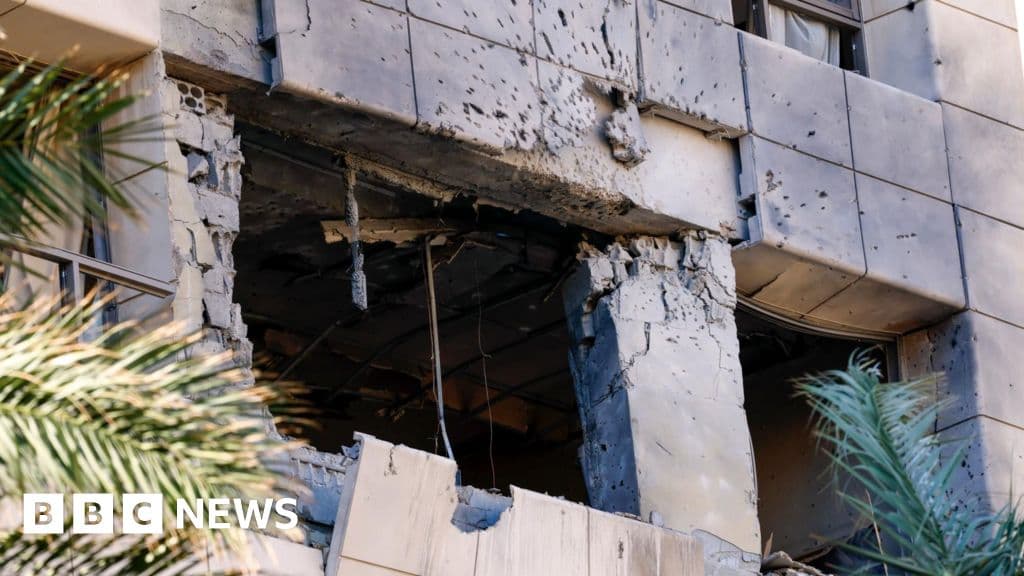
A devastating strike on the Ramada Plaza hotel marks the first city center bombing of this war, displacing thousands and igniting diplomatic tensions.
The Raouche neighborhood in Beirut, typically a hub for luxury dining and tourism, experienced a seismic shift in safety early this week. At approximately 01:30 local time, a massive explosion rocked the four-star Ramada Plaza hotel. This event marks a significant escalation, as it is the first instance of an Israeli bombing campaign targeting the city center during this specific phase of conflict.
According to the Israel Defense Forces (IDF), the strike was conducted by the navy following precise intelligence. They claimed five men working for Iran’s elite Quds Force were inside. The IDF identified three key commanders killed: Majid Hassani, responsible for transferring funds to proxies; Alireza Bi-Azar; and Ahmad Rasouli. Two other figures, Hossein Ahmadlou and Abu Mohammad Ali, were also reportedly eliminated. The military stated this action was a necessary blow against the Iranian presence and Hezbollah.
However, Tehran offered a starkly different narrative. Iran’s mission to the UN in New York published a letter accusing Israel of cowardly terrorist assassination. Their permanent representative, Amir-Saeid Iravani, confirmed the deaths of Hassani, Bi-Azar, Rasouli, and Ahmadlou but identified them as diplomats serving official representatives of a sovereign state. He condemned the strike as a grave breach of international law and a heinous crime against Iranian officials.
The human toll on local residents was immediate and frightening. Yahya, a 47-year-old resident, described the fear gripping the community. He noted that while bombings often carry warnings, assassinations do not, leaving neighbors unsure of who stands nearby. Mousa Khodour, a 33-year-old coffee kiosk worker at the hotel car park, recounted the shockwave shaking the ground. While his four children sleeping in a makeshift structure nearby were unscathed, his cousin suffered a leg injury from shrapnel described as the size of a chickpea. The injured man, a Syrian national, fled Lebanon's conflict zones after escaping war in his home country in 2013 but stated he no longer felt safe.
The location itself highlights the war's encroachment on civilian life. Raouche is known for celebrity treatment and world-class service, yet now houses families fleeing evacuation orders. The United Nations estimates nearly 700,000 people in Lebanon have been displaced by hostilities resuming a week ago. Many of these individuals hail from southern suburbs or Dahieh, seeking shelter in the capital. This renewed fighting began after Hezbollah fired rockets into Israel following the killing of Iran's supreme leader at the start of the war with Israel and the US. The conflict resumed here a week ago, following a ceasefire that ended in November 2024.

Despite the initial toll reporting four deaths and ten injuries by the Lebanese health ministry without identification, the hotel management remained silent. An official source noted that three Lebanese nationals had booked rooms on the floors used by the targeted men. The IDF stated the strike hit three times, with two munitions failing to explode. Police and military officials were seen scouring the scene days later amidst shattered glass and blackened walls.
The strike on the Ramada Plaza signifies a dangerous expansion of conflict into Beirut’s urban core. While military officials claim precision targeting of enemy operatives, civilians express that no place remains safe from aerial assaults. The conflicting accounts regarding the identities of the deceased underscore the ongoing information war surrounding this escalation.
Jun 9, 2026 04:31 UTC
India Condemns Pakistan’s ‘Fitna al Hindustan’ Narrative at UN
Join 50,000+ readers getting the global briefing every morning.
No spam. Unsubscribe anytime.
Jun 9, 2026 02:39 UTC
US Warplane Strikes Tanker MT Marivex; Crew Evacuated in Gulf of Oman
Jun 9, 2026 00:00 UTC
INDIA Bloc Leaders Gather in Delhi to Forge Strategic Unity
Jun 8, 2026 22:55 UTC
Netanyahu Vows Forceful Response to Future Iran Attacks
Jun 8, 2026 20:56 UTC
Netanyahu Halts Iran Fighting, Vows Future Force


