
Section
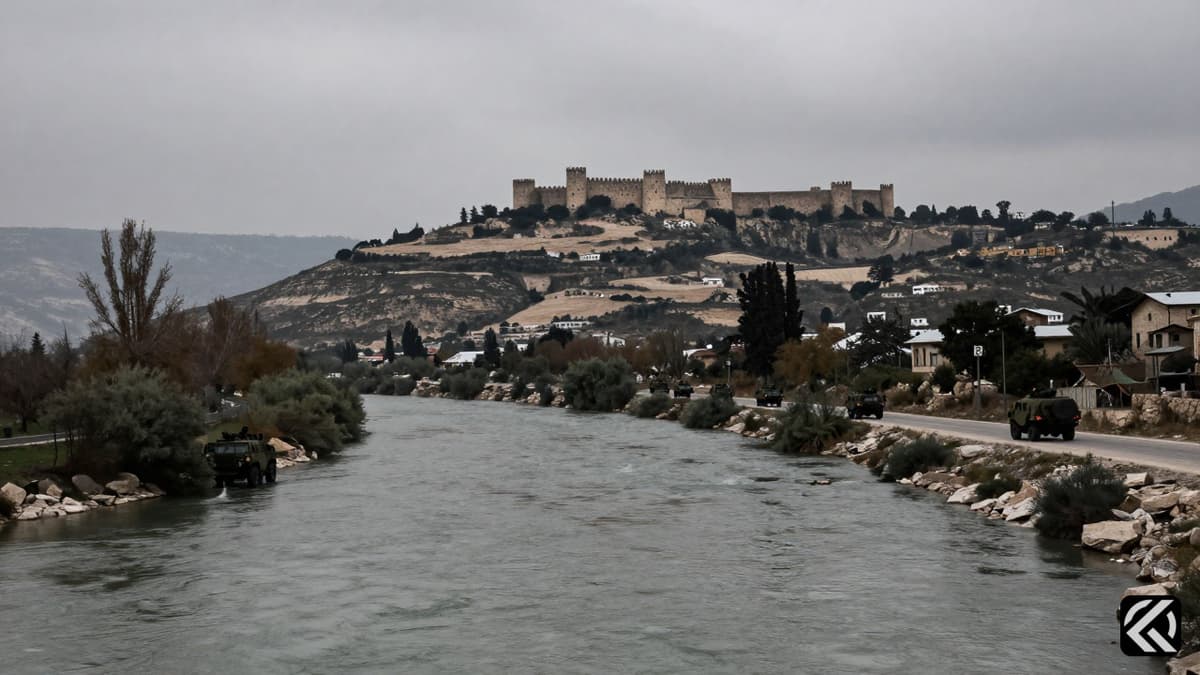
Israel has ordered military strikes on the southern suburbs of Beirut, intensifying the ongoing conflict with Hezbollah and threatening a fragile ceasefire agreement.
The conflict between Israel and the Iran-backed armed group Hezbollah has escalated sharply, with the Israeli prime minister ordering new military strikes on the southern suburbs of Lebanon’s capital, Beirut. Benjamin Netanyahu announced that "terrorist targets" within the Hezbollah stronghold of Dahieh would be hit, citing violations of a US-brokered ceasefire and attacks on Israeli civilians. This move signals a significant hardening of position despite ongoing diplomatic efforts to halt the violence.
A senior Lebanese government official confirmed to the BBC that the country is relying on US mediation to pressure Israel to end its own violations and prevent further civilian casualties. Meanwhile, a US official outlined a proposed first step: Lebanese authorities must pressure Hezbollah to stop its attacks on Israel, in exchange for Israel refraining from escalation in Beirut. The goal of this proposal is to create space for gradual de-escalation and an effective cessation of hostilities.
This diplomatic push follows a major military development on the ground, where Israeli troops occupying southern Lebanon crossed the Litani River to seize the 900-year-old Beaufort Castle. Located on a strategically important ridge, the castle’s capture underscores the expanding scope of the ground campaign. Israeli Defence Minister Israel Katz declared that their campaign was "not over" and that they were "determined to crush Hezbollah's power," leaving little doubt about the military objectives.
Lebanon was drawn into this wider conflict on March 2, entering a war between the US, Israel, and Iran. The escalation began when Hezbollah launched rockets into Israel in retaliation for an Israeli strike that killed Iran's supreme leader. In response, Israel launched a comprehensive air campaign across Lebanon followed by a ground invasion. The humanitarian toll has been severe; according to Lebanon's health ministry, at least 3,371 people have been killed in the country since the start of the war, though these figures do not distinguish between combatants and civilians.
The current situation in Beirut’s southern suburbs represents a critical turning point. By targeting Dahieh, the political and military heart of Hezbollah in the capital, Israel is applying direct pressure on the group’s leadership. However, this strategy risks undermining the very ceasefire negotiations the US is attempting to facilitate. The Lebanese government’s reliance on US mediation highlights the difficulty of enforcing a truce when one party continues to expand its military operations deep into enemy territory.
The seizure of Beaufort Castle adds a historical and symbolic weight to the military advance. For centuries, the castle has served as a strategic outpost overlooking the border region. Its capture by Israeli troops, who had previously occupied southern Lebanon, indicates a shift from defensive positioning to offensive consolidation. This territorial gain may serve as a bargaining chip in future negotiations, but it also risks prolonging the conflict by solidifying Israeli presence in disputed areas.
The role of the United States remains central to the current dynamics. The proposed two-step de-escalation plan places the burden of the first move on Lebanese officials, asking them to compel Hezbollah to cease fire. This approach assumes that Lebanese pressure can effectively control a militant group that operates semi-independently within Lebanon. If Hezbollah continues its attacks, Israel has made clear it will not refrain from escalation, creating a high risk that the ceasefire announced in April will completely collapse.
The human cost of this escalating conflict is mounting rapidly. The death toll in Lebanon, while unverified for specific combatant status, reflects the intensity of the air and ground campaigns. As strikes continue in populated areas of Beirut, the potential for further civilian casualties increases, potentially complicating international efforts to stabilize the region. The war’s origins in a retaliatory strike against Iran’s supreme leader suggest that the conflict is deeply intertwined with broader regional tensions, making any resolution complex.
The continued escalation in Beirut and the surrounding areas suggests that the current ceasefire is unsustainable without significant changes in military behavior. If Israel persists in striking high-value targets in Dahieh while Hezbollah continues retaliatory fire, the conflict could expand further, drawing in additional regional actors. The seizure of Beaufort Castle may provide tactical advantages but could harden Hezbollah’s resolve, leading to more entrenched guerrilla warfare. International mediation efforts may struggle to succeed if military gains are prioritized over diplomatic off-ramps. The long-term impact could include prolonged instability in Lebanon, increased civilian suffering, and a deeper entanglement of global powers in Middle Eastern security dynamics, potentially reshaping alliances and conflict resolutions in the region for years to come.
Jun 11, 2026 17:21 UTC
Bangladesh Opposition Mobilizes Against India-Bangladesh Border Push-Ins and BSF Killings
Join 50,000+ readers getting the global briefing every morning.
No spam. Unsubscribe anytime.
Jun 11, 2026 17:40 UTC
Boelter Pleads Guilty in Minnesota Political Assassinations
Jun 11, 2026 17:21 UTC
Bangladesh Opposition Mobilizes Against India-Bangladesh Border Push-Ins and BSF Killings
Jun 11, 2026 17:21 UTC
John Healey Quits as UK Defence Secretary Over Funding Dispute
Jun 11, 2026 16:19 UTC
UK Defence Secretary John Healey Quits Over Funding Dispute


