
Section
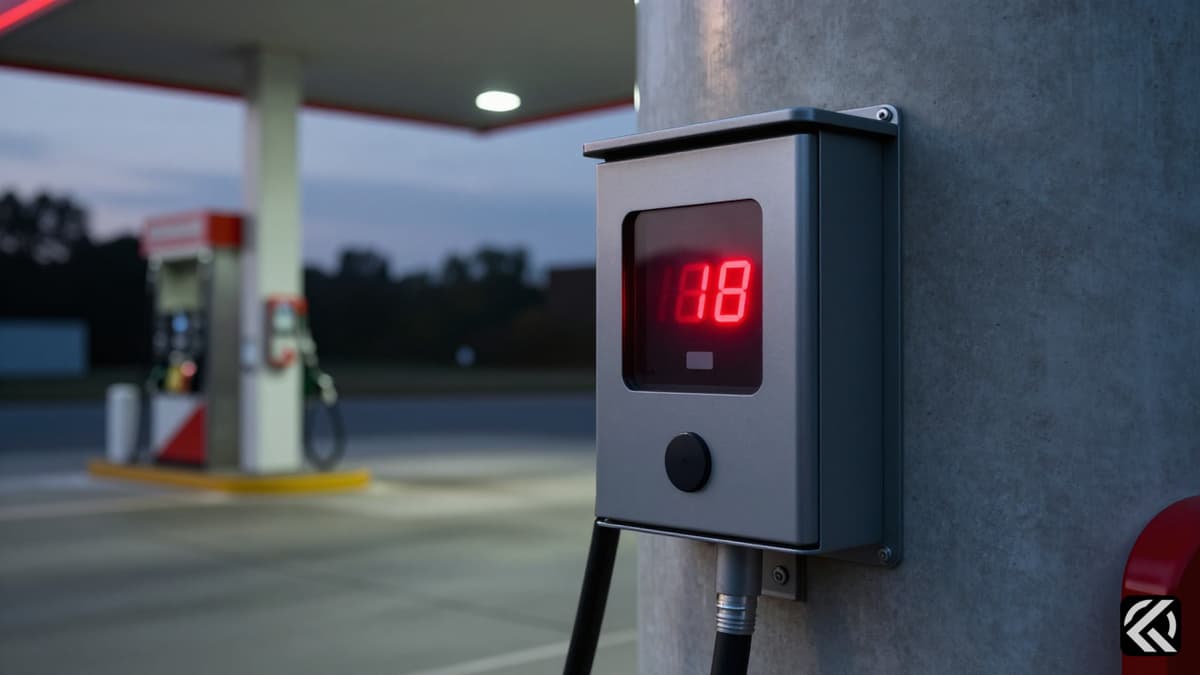
Officials suspect Iranian hackers have breached gas station tank monitoring systems, raising serious safety concerns for US critical infrastructure without physical damage.
US officials suspect Iranian hackers are responsible for breaching systems that monitor fuel levels in storage tanks serving gas stations across multiple states, according to sources briefed on the investigation. These unauthorized intrusions target automatic tank gauge systems, which are designed to track inventory but have been found sitting online and unprotected by passwords.
The breaches allow attackers to tinker with display readings on the tanks, though they have not been known to alter the actual levels of fuel stored. While no physical damage or harm has been reported, experts warn that gaining access to these systems could theoretically allow a hacker to make a gas leak go undetected, posing significant risks to critical infrastructure safety and public security.
Sources indicated that Iran’s history of targeting gas tank systems makes it a top suspect, although the US government may struggle to definitively attribute the attacks due to a lack of forensic evidence left by the intruders. The FBI declined to comment on the specific incident, and CNN requested comment from the US Cybersecurity and Infrastructure Security Agency, which did not provide an immediate statement.
This intrusion highlights the fragility of US energy sector defenses. Iranian hacking groups have long targeted "low-hanging fruit," such as critical US computer systems interacting with oil, gas, and water sites. This follows a pattern where Tehran-linked actors exploit unsecured interfaces to assert influence or disrupt operations, even if no immediate physical consequence occurs.
If Iranian involvement is confirmed, this incident represents the latest case of Tehran threatening US critical infrastructure. These attacks occur as the US and Israel wage war against Iran, a conflict where the US homeland remains out of reach of Iranian drones and missiles. Consequently, cyber operations have become a primary avenue for Iranian retaliation and influence.
The timing of these hacks raises politically sensitive issues for the Trump administration, as they draw further attention to higher gas prices caused by the ongoing war. A recent CNN poll revealed that 75% of US adults believe the Iran war has negatively affected their finances, making energy security a potent political lever.
Iran’s cyber capabilities, once considered inferior to those of China or Russia, are now viewed as a capable and unpredictable adversary. Since the war began in late February, Tehran-linked hackers have caused disruptions at multiple US oil and gas and water sites, delayed shipping at medical device maker Stryker, and leaked private emails of FBI Director Kash Patel.
US intelligence agencies note that Iran’s cyber activity during the war shows a significant increase in scale, speed, and integration with psychological campaigns. Yossi Karadi, head of Israel’s National Cyber Directorate, stated that Iranian actors are under pressure and trying to strike wherever they find an opening in cyberspace.
Cybersecurity researcher Allison Wikoff noted that Iran’s operations are accelerating with faster iteration and likely AI-driven scaling for reconnaissance and phishing. A notable shift in their playbook is the swift creation of "good-enough" malware, including destructive wiping types, combined with assertive hack-and-leak campaigns against media and civilian infrastructure.
Hacktivist groups affiliated with Iran’s intelligence ministry maintain personas like "Handala" to exaggerate exploits and publish stolen material. In one instance, a group claiming to have breached the FBI’s "impenetrable" systems actually accessed years-old Gmail emails belonging to Director Kash Patel, demonstrating the gap between propaganda and operational reality.
Despite the frequency of these hacks, cybersecurity researcher Alex Orleans suggested two reasons there haven’t been more sustained effects: Iran lacks deep access lines for long-term impact, and the regime appears intent on enduring the conflict rather than causing wanton destruction.
The aggressive nature of Iranian cyber operations gains significance ahead of midterm elections. Following precedent from the 2020 and 2024 elections where Iran impersonated groups and breached campaigns, officials warn of potential interference. Former CISA director Chris Krebs predicts information operations rather than system attacks, noting that AI-scaled disinformation is cheap, easy to scale, and currently carries no price for perpetrators.
Jun 11, 2026 17:21 UTC
Bangladesh Opposition Mobilizes Against India-Bangladesh Border Push-Ins and BSF Killings
Join 50,000+ readers getting the global briefing every morning.
No spam. Unsubscribe anytime.
Jun 11, 2026 17:40 UTC
Boelter Pleads Guilty in Minnesota Political Assassinations
Jun 11, 2026 17:21 UTC
Bangladesh Opposition Mobilizes Against India-Bangladesh Border Push-Ins and BSF Killings
Jun 11, 2026 17:21 UTC
John Healey Quits as UK Defence Secretary Over Funding Dispute
Jun 11, 2026 16:19 UTC
UK Defence Secretary John Healey Quits Over Funding Dispute


