
Section
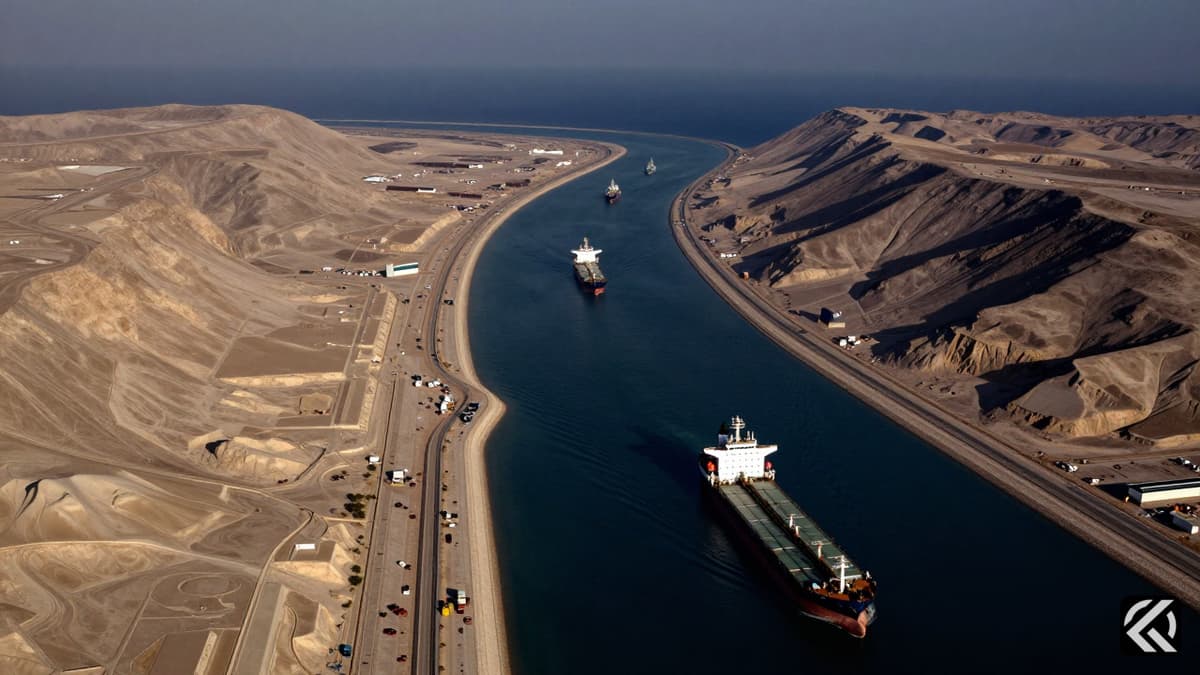
Iran reviews US response to peace proposal while Strait of Hormuz attacks surge, oil prices fluctuate, and global powers mediate an escalating Iran war.
Iran stated on Sunday, May 3, 2026, that it is currently reviewing a response from the United States regarding its recent 14-point peace proposal, which was transmitted through Pakistani mediators. According to state media reports, an Iranian Foreign Ministry spokesperson clarified that active nuclear negotiations are not currently underway. This diplomatic maneuver comes against a backdrop of intensifying hostilities, as the broader conflict between the U.S. and Israel against Iran continues to destabilize global energy markets and geopolitical stability.
The security situation in the Strait of Hormuz remains volatile, with a significant increase in hostile activities targeting commercial vessels. The United Kingdom Maritime Trade Operations center reported that a bulk carrier was attacked by multiple small craft near Sirik, Iran, on Sunday. This incident marks at least two dozen attacks in and around the strait since the onset of the Iran war. While all crew members aboard the unidentified carrier were reported safe, authorities have issued warnings for vessels to transit with extreme caution. No group has immediately claimed responsibility for this specific attack, though the frequency of such incidents highlights the severe risks facing global shipping lanes.
Pakistan continues to serve as the primary mediator in talks between Washington and Tehran. A Pakistani official described Iran's fresh proposal as a phased de-escalation framework designed to separate immediate conflict management from the long-standing dispute over Tehran’s nuclear capabilities. The plan comprises three main components: urgent de-escalation measures in the Strait of Hormuz, decoupling maritime trade restoration from nuclear discussions, and conditional flexibility on enrichment limits.
Iranian officials remain firm on their strategic positions. Deputy Parliament Speaker Ali Nikzad, while visiting Larak Island, declared that Iran would not return to pre-war conditions and asserted that the strait belongs to the Islamic Republic. He noted that non-U.S. or non-Israeli ships could pass after paying a toll, a stance that contradicts U.S. warnings against such payments. Meanwhile, Iran’s Revolutionary Guards presented a stark ultimatum, stating that the U.S. must choose between an “impossible” military operation or a “bad deal,” citing shifting tones from Russia, China, and Europe.
The geopolitical turmoil has triggered significant reactions from international bodies and energy markets. Kuwait’s oil production is projected to reach 2.628 million barrels per day in June, and seven OPEC+ countries, including Saudi Arabia and Russia, agreed to raise output targets by 188,000 barrels per day. This move aims to demonstrate cartel continuity following the UAE's recent withdrawal, although current production limits remain largely symbolic due to the closure of the Strait of Hormuz. U.S. Treasury Secretary Scott Bessent predicted that oil prices would decline later in the year despite current surges, asserting that post-conflict markets would be significantly lower.
Diplomatic efforts are intensifying among European allies. German Foreign Minister Johann Wadephul demanded that Iran reopen the strait and abandon its nuclear weapons program during a call with his Iranian counterpart. Wadephul emphasized that Germany and the U.S., as allies, share the goal of a verifiably nuclear-free Iran and an open maritime route. Simultaneously, India celebrated a symbolic diplomatic and logistical victory as its LPG supertanker, Sarv Shakti, successfully crossed the strait with 46,313 metric tons of cargo, though authorities continue to monitor the safety of such transits closely.
The conflict has extended beyond economic and diplomatic spheres into direct kinetic engagements in neighboring regions. Israeli strikes on southern Lebanon resulted in casualties, including rescuers from the Hezbollah-affiliated Islamic Health Committee, underscoring the fragility of existing truces. A Hezbollah lawmaker indicated that the group would thwart any direct negotiations between Lebanon and Israel, signaling that local militant factions may operate independently of broader diplomatic frameworks.
In response to the broader crisis, the U.K. government announced contingency measures for the aviation sector. Transport Secretary Heidi Alexander stated that airlines would consolidate schedules to protect travelers from potential last-minute cancellations caused by jet fuel supply issues. While no immediate supply issues were reported, the government is proactively working with airports and fuel suppliers to ensure long-term certainty for summer holiday travelers. Additionally, an Israeli court extended the detention of two foreign activists from a Gaza-bound flotilla, highlighting the multifaceted nature of the regional instability.
The immediate future hinges on Iran’s evaluation of the U.S. response to its de-escalation proposal. If Tehran perceives the offer as insufficient, the likelihood of continued maritime harassment in the Strait of Hormuz and further regional escalation increases. Conversely, a willingness to engage could stabilize energy prices, which U.S. officials predict will fall post-conflict. However, the entrenched positions of Hezbollah and the ongoing Israeli military campaigns in Lebanon suggest that a comprehensive peace remains distant. Global markets remain sensitive to any shift in these dynamics, with OPEC+ production hikes serving as a temporary buffer against the supply shocks caused by the Iran war. Long-term stability will require a verified diplomatic resolution that addresses both nuclear concerns and maritime security, a task currently being mediated by Pakistan and supported by European allies.
Jun 11, 2026 12:59 UTC
US Strike on Settebello Kills Indian Sailors Amid Strait of Hormuz Tensions
Jun 11, 2026 12:49 UTC
Air India Flight 171 Crash Sparks Debate Over Boeing 787 Dreamliner Faults
Jun 11, 2026 08:51 UTC
US-Iran Conflict: Indian Seafarers Killed in Gulf Strike
Jun 11, 2026 18:04 UTC
Healey Quits Government Over Defence Spending Dispute


