
Section
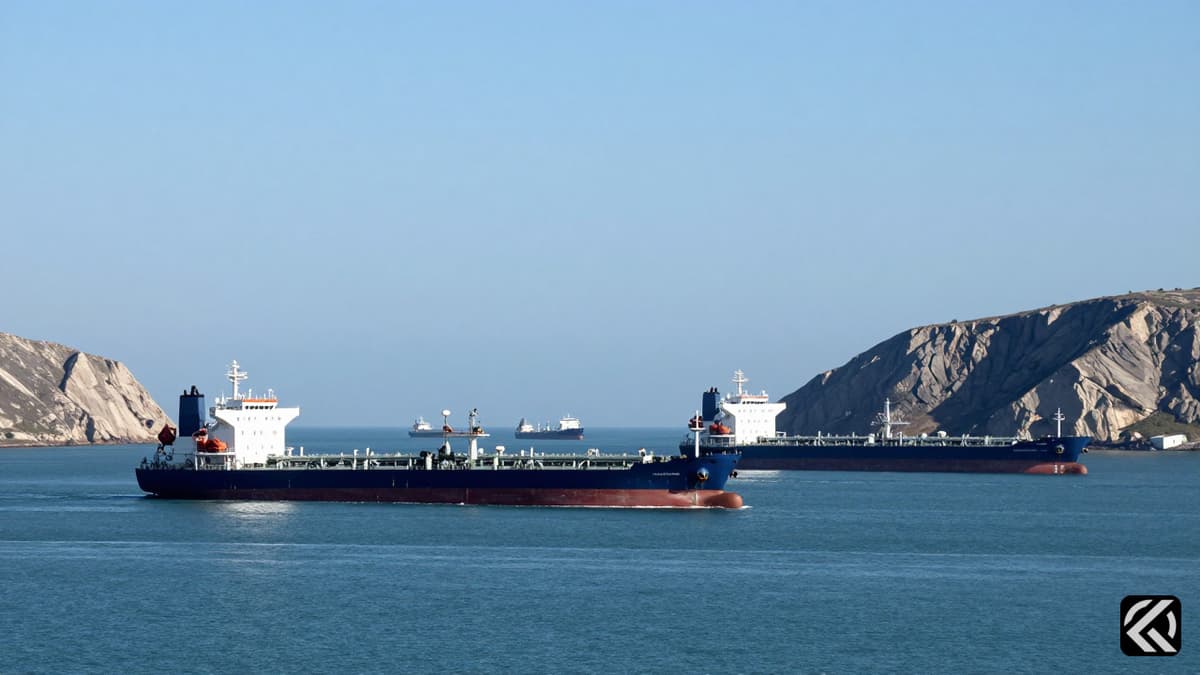
Global markets react to emerging signs of a diplomatic breakthrough. Tehran and Washington clash over deal terms as geopolitical risks begin to recede.
A political understanding has been reached between Iran and the United States concerning the ongoing Iran war, though officials emphasize the agreement has not yet been finalized. A senior Iranian source confirmed to Reuters on Friday, May 29, 2026, that while a framework exists, finalization is pending. This development arrives as U.S. President Donald Trump prepares to make a final determination on the deal during a scheduled meeting in the White House Situation Room.
Iranian officials have pushed back against several key assertions made by the U.S. President regarding the potential terms of the agreement. Sources cited by Iran’s Fars news agency described Trump’s recent comments as a “mixture of truth and lies.” Specifically, Tehran disputed the claim that Iran is obligated to open the Strait of Hormuz without tolls, stating no such clause exists in the current text. Furthermore, sources emphasized that the claim that the U.S. would coordinate with Iran to destroy its enriched uranium is “fundamentally baseless” and not part of the memorandum of understanding.
Despite these diplomatic frictions, global markets responded positively to the prospect of de-escalation. Asian stock markets mostly surged on Friday, and oil prices receded significantly. Investors parsed the chances of a breakthrough that could resume normal shipping through the crucial maritime chokepoint. During Friday afternoon trading in Asia, the price of Brent crude dropped by more than 1% to $92.54 a barrel, while the U.S. benchmark West Texas Intermediate fell to $87.56 a barrel. This market volatility highlights how closely global energy supplies are tied to the geopolitical stability of the region.
U.S. Vice President J.D. Vance indicated that Washington and Tehran are close to agreeing on a deal to extend their ceasefire. However, Vance noted that the breakthrough hangs on President Trump’s approval. “It’s hard to say exactly when or if the President is going to sign the MOU,” Vance told reporters on Thursday. He added that the two sides have made “a lot of progress” but are still going back and forth on language points. Trump, in a social media post on Friday, outlined the potential deal’s requirements: Iran must agree not to develop a nuclear weapon, reopen the Strait, remove sea mines, lift the U.S. blockade, and allow the destruction of its highly enriched uranium by the U.S. Trump stated, “No money will be exchanged, until further notice.”
The diplomatic efforts occur against a backdrop of intensified military operations in Lebanon. Israeli Prime Minister Benjamin Netanyahu announced that Israeli forces have advanced to positions north of the Litani River. “Our forces have crossed the Litani, they have moved up to the commanding terrain,” Netanyahu said during a visit to troops near the border. This escalation coincides with U.S. military-hosted talks in Washington between Israeli and Lebanese defense representatives, aimed at forging peace and disarming Hezbollah. These talks also aim to reinforce an April 16 ceasefire that has repeatedly failed to halt cross-border fighting.
International involvement in the negotiations has expanded, with Pakistani Foreign Minister Ishaq Dar arriving in Washington to meet with U.S. Secretary of State Marco Rubio. Dar’s talks are expected to cover the latest developments in ending the conflict. Prior to this, a first round of peace talks in Pakistan concluded without a pact, though Reuters reported that an initial agreement to extend the ceasefire and lift shipping restrictions had been reached. However, Iranian state media reiterated that the deal was not finalized and had undergone recent changes.
Iran’s top negotiator, Mohammad Baqer Qalibaf, underscored Tehran’s cautious stance in a post on X. He stated that Tehran does not trust guarantees and words, intending to judge actions instead. “Iran would not act unless the other side did first,” Qalibaf added. This skepticism is mirrored in the energy sector. Chevron CEO Mike Wirth told Bloomberg TV that the company will not consider paying a toll to move ships through the Strait of Hormuz. Wirth noted that several vessels have been attacked recently, describing them as “multiple incidents.” He emphasized that ship owners and insurers must feel comfortable before resuming transit.
The geopolitical turmoil has also impacted sports and culture. Iran’s striker Sardar Azmoun is set to miss the 2026 World Cup, co-hosted by the United States. His exclusion follows a media backlash in Iran after he was photographed with the ruler of Dubai during the war. The tournament places Team Melli under intense scrutiny as a shaky ceasefire holds five weeks after hostilities began. Additionally, legal troubles surfaced in Italy, where prosecutors investigated two Iranians for alleged threats against compatriots, and in the UK, where a Greek national was charged with assisting Iranian intelligence in targeting a journalist.
The current trajectory suggests that while the Iran war may not be entirely concluded, the immediate threat of global energy disruption is diminishing. With oil prices dropping and Asian markets rising, investor confidence is returning to the Strait of Hormuz as a viable trade route. If Donald Trump signs the memorandum of understanding, the lifting of sanctions and shipping restrictions could stabilize global fuel supplies. However, Tehran’s insistence on action over words and the continued military advance by Israeli forces in Lebanon indicate that deep-seated security concerns remain. Long-term peace will likely depend on the successful disarmament of Hezbollah and the verification of nuclear non-proliferation terms. Until these conditions are met, the region will remain a focal point of economic and military volatility, with global markets closely monitoring every diplomatic nuance for signs of further de-escalation or renewed conflict.
Jun 11, 2026 12:59 UTC
US Strike on Settebello Kills Indian Sailors Amid Strait of Hormuz Tensions
Jun 11, 2026 12:49 UTC
Air India Flight 171 Crash Sparks Debate Over Boeing 787 Dreamliner Faults
Jun 11, 2026 08:51 UTC
US-Iran Conflict: Indian Seafarers Killed in Gulf Strike
Jun 11, 2026 18:04 UTC
Healey Quits Government Over Defence Spending Dispute


