
Section
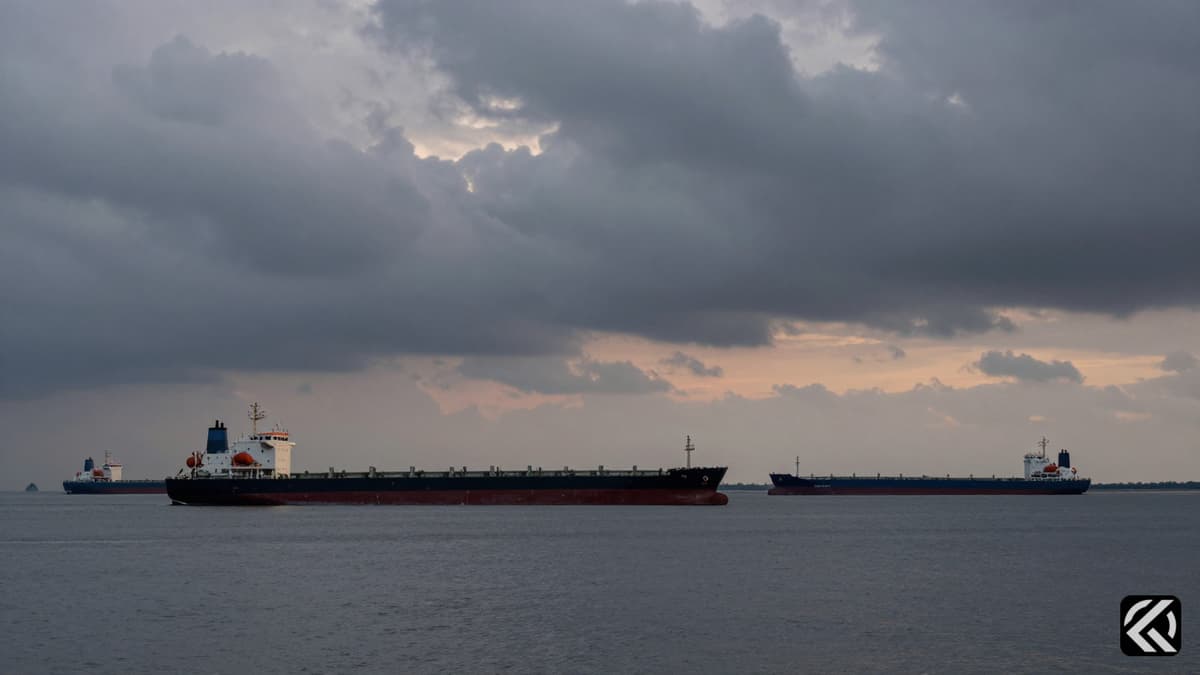
Iran is set to deliver its response to US mediation on ending the war, while global shipping faces severe risks in the Strait of Hormuz amid escalating tensions.
Iran is expected to hand over its response to mediators regarding a US proposal to end the war on Thursday, according to a regional source speaking to CNN. This development arrives as President Donald Trump stated earlier in the day that the United States has engaged in “very good talks” with Iran over the preceding 24 hours. The ongoing conflict with Iran entered its second month in late April, marking a significant escalation in regional hostilities. As diplomatic channels remain active, the geopolitical landscape is heavily influenced by the simultaneous humanitarian and logistical crisis unfolding in critical maritime trade routes.
The strategic importance of the Strait of Hormuz cannot be overstated in this context. Approximately 1,600 ships remain stuck in the waterway, with shipping companies facing an exceptionally expensive and risky situation. For more than two months, these companies have been looking for windows of opportunity to leave the waterway, yet most remain unwilling to bear the risk of transit. Allowing ships to leave would endanger both cargo and personnel, as any damage to a multimillion-dollar vessel would set companies back financially and logistically. Insurers have wartime clauses in their contracts that do not require them to cover vessels stuck in the middle of a war. Consequently, moving ships without that financial backing risks being extraordinarily costly.
President Donald Trump’s previous operation to “guide” ships through the strait lasted just 48 hours. Only two ships were successfully guided through during that brief window. Now, operating without that support, companies are hesitant to proceed. The International Maritime Organization (IMO) reports that thirty-two ships have been hit with missiles since the beginning of the war, resulting in 10 deaths and at least a dozen injuries. The IMO continues to urge ships to “exercise maximum caution” and states that naval escorts are not a sustainable long-term solution.
In the diplomatic sphere, French President Emmanuel Macron called for the resumption of traffic in the Strait of Hormuz after a conversation with Iranian President Masoud Pezeshkian on Wednesday. The French leader encouraged others to consider joining a multinational mission proposed by France and the United Kingdom to secure shipping in the waterway. “All parties must lift the blockade of the strait, without delay and without conditions. We must durably return to the regime of full freedom of navigation that prevailed before the conflict,” Macron said in a statement posted to X. He added that the return of calm in the strait will help advance negotiations on the nuclear issue, the ballistic issue, and the regional situation.
During the phone call with Macron, Pezeshkian spoke about Iran’s “deep distrust toward the United States,” according to a statement in Iranian state media. This distrust underscores the complexity of the Iran-US talks, as both sides are advancing toward an agreement to end the war, yet significant hurdles remain.
Meanwhile, US President Trump highlighted his engagement with major energy firms. He met with top executives from companies including Chevron and ExxonMobil to discuss oil and Venezuela. Trump noted that energy companies are eager to expand operations. He also referenced his previous military intervention in Venezuela, stating, “Enemies have great pride. We went into Venezuela, smart people, great people, a really strong military. We won it very quickly, and it’s been a great thing for Venezuela.” Trump told reporters in the Oval Office that while there is “never a deadline” on when he expects to hear back from Tehran, he believes “they want to make a deal.” He also claimed that Iran has agreed to his chief demand of not having a nuclear weapon, though there is no indication yet of what Iran has or has not agreed to.
The crisis in the Strait of Hormuz is harming the world's most vulnerable countries. CNN’s Lynda Kinkade spoke with Selena Victor, Mercy Corps’ senior director for policy and advocacy, about the humanitarian effect of the blockade. The blockade restricts the flow of essential goods, exacerbating hardships in nations already struggling with economic instability. The inability of ships to navigate freely has created a bottleneck that affects global supply chains and local economies dependent on imported resources.
On the ground, tensions remain high in Lebanon. Israel targeted a top Hezbollah commander on Wednesday evening in the first strike in Beirut since a truce was called. Prime Minister Benjamin Netanyahu said in a statement that Israel had targeted the commander of the elite Radwan force. The strike was coordinated in advance with the US, an Israeli source told CNN. Netanyahu did not name the target of the strike but stated that Radwan force militants under his command were responsible for previous aggression. This development highlights the fragile nature of the ceasefire and the ongoing volatility in the region.
Additionally, the Israeli military is investigating a photo circulating on social media showing a soldier appearing to desecrate a statue of the Virgin Mary in Debel, Lebanon. The photo, which was geolocated by CNN, shows a soldier in Israeli army fatigues holding what appears to be a lit cigarette to the mouth of the statue. The Israel Defense Forces (IDF) said Wednesday that it is reviewing the picture and “views the incident with the utmost severity.” The IDF stated the picture was taken “several weeks ago.” This follows two other incidents in Debel, a small, predominantly Christian village. The Israeli military jailed two troops and questioned six others after an Israeli soldier was photographed damaging a statue of Jesus Christ in April. Israel’s military chief Lt. Gen. Eyal Zamir later cautioned top defense officials about unspecified “unethical incidents,” warning that the “erosion of values and standards can be as dangerous as operational threats.”
The situation in the Strait of Hormuz represents a critical juncture for global maritime trade and regional stability. With thousands of ships still stuck and no clear resolution to the blockade in sight, the economic implications are severe. Insurance risks are soaring, and the cost of transit is becoming prohibitive for many operators. The IMO’s warning that naval escorts are not a sustainable solution suggests that a diplomatic resolution is urgently needed to restore normalcy. The potential agreement between Iran and the US, signaled by recent talks, could be the catalyst for lifting the blockade, but deep-seated distrust remains a significant barrier. If a deal is reached, it may facilitate the resumption of free navigation, alleviating pressure on vulnerable nations and stabilizing global energy markets. However, without a definitive agreement, the region risks further escalation, with ongoing military strikes in Lebanon and continued logistical paralysis in the strait. The coming weeks will be decisive in determining whether diplomacy prevails or hostilities intensify, impacting everything from oil prices to humanitarian aid delivery.
Jun 11, 2026 17:21 UTC
Bangladesh Opposition Mobilizes Against India-Bangladesh Border Push-Ins and BSF Killings
Join 50,000+ readers getting the global briefing every morning.
No spam. Unsubscribe anytime.
Jun 11, 2026 17:40 UTC
Boelter Pleads Guilty in Minnesota Political Assassinations
Jun 11, 2026 17:21 UTC
Bangladesh Opposition Mobilizes Against India-Bangladesh Border Push-Ins and BSF Killings
Jun 11, 2026 17:21 UTC
John Healey Quits as UK Defence Secretary Over Funding Dispute
Jun 11, 2026 16:19 UTC
UK Defence Secretary John Healey Quits Over Funding Dispute


