Tensions explode across West Asia as drone swarms target US facilities in Iraq and the Bushehr nuclear plant faces direct threats, while Iran remains sceptical of peace efforts.
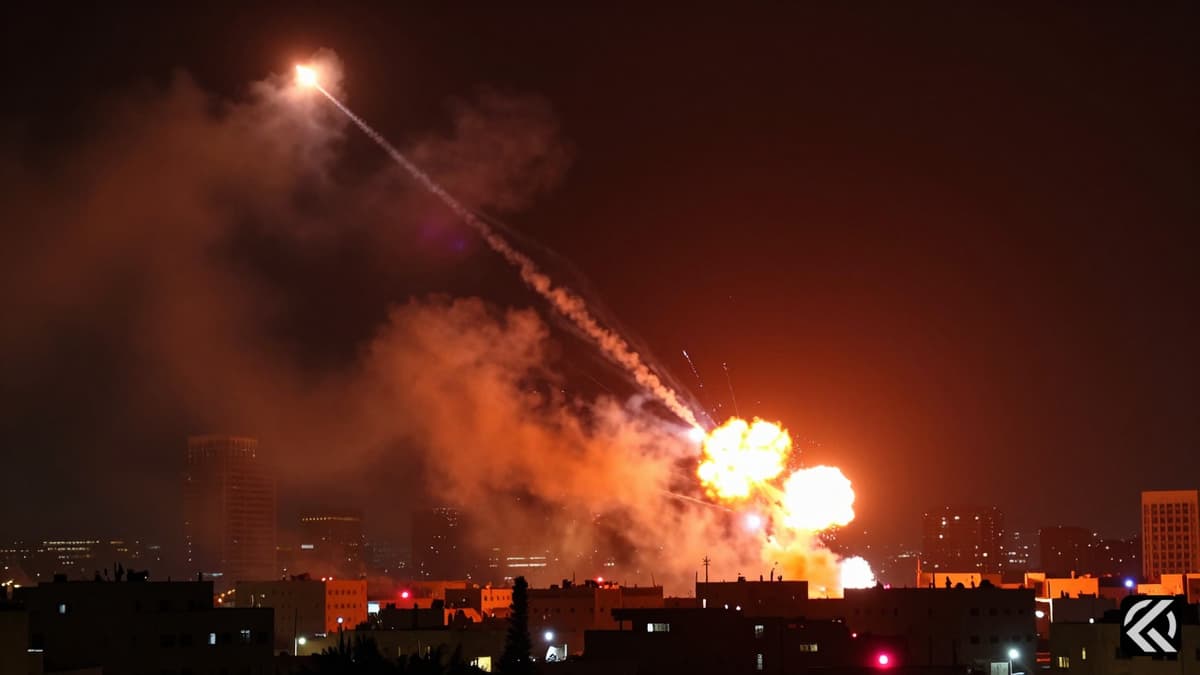
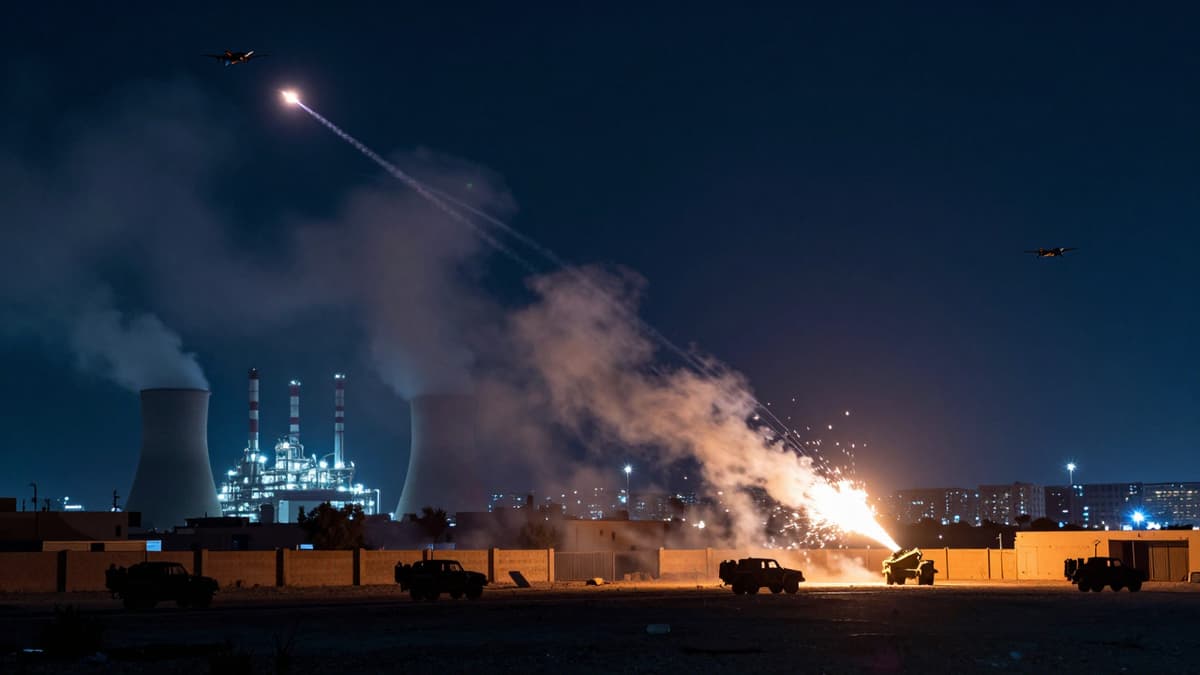
Early Saturday, March 28, 2026, the Iraq-Israel-Iran war reached a fever pitch across northern Iraq, where hours of interceptions and drone activity echoed through the capital of Irbil. AP journalists reported non-stop loud explosions as drones attempted to target the US consulate and nearby military bases, marking one of the most intense days of attacks since the conflict began. Simultaneously, the Bushehr nuclear plant in Iran faced a deteriorating situation after another strike near the facility, prompting urgent warnings from Russian officials about direct threats to nuclear safety.
The violence quickly spread beyond aerial skirmishes to ground targets, with a drone attack striking the home of Iraqi Kurdistan President Nechirvan Barzani early in the morning. Air defenses managed to shoot down a drone near a Peshmerga base in Duhok, but the incident highlighted how the US-Israeli offensive against Iran is spilling over, drawing in multiple armed groups and straining Baghdad's containment efforts. Prime Minister Mohammed Shia al-Sudani condemned the attack on Barzani's residence and ordered the formation of a joint federal-Kurdistan security team to investigate the incidents and identify those responsible.
In response to the escalating violence, French President Emmanuel Macron emphasized that every effort must be made to avoid Iraq being sucked into a wider regional escalation. This diplomatic push came after a deadly strike against the Popular Mobilisation Forces (PMF) in Mosul, where security sources reported at least two Iraqi police personnel killed and two wounded. The PMF, now formally integrated into Iraq's state security forces but including factions aligned with Iran, claimed three of its fighters were killed in a US-Israeli attack. The group, known in Arabic as Hashd al-Shaabi, operates as an umbrella for mostly Shia paramilitary factions that have become a central target in the expanding conflict.
On the Iranian front, the Israeli military claimed it struck an industrial complex in Tehran dedicated to naval weapons research and development. The IDF stated the headquarters of the Iranian Marine Industries Organization was destroyed, targeting the production of surface and sub-surface vessels and unmanned equipment. Conversely, Iran's Revolutionary Guards alleged they found and dismantled over 120 unexploded cluster bombs around Shiraz and in several towns, claiming they were dropped during recent US and Israeli attacks. This accusation of cluster munition usage adds a grim layer to the humanitarian crisis unfolding in southern Iran.
The human cost of the conflict is rising sharply in neighboring regions as well. In south Lebanon, an Israeli strike killed three journalists on Saturday, with Israel claiming one was a Hezbollah member. Lebanese Health Minister Rakan Nassereddine reported that 51 medical workers, including 46 rescuers, have been killed by Israel since the war with Hezbollah began on March 2. The strikes against medical personnel, including members of Hezbollah's Islamic Health Committee and the Amal movement's Risala Scouts, underscore the vulnerability of essential services amidst the ongoing raids.
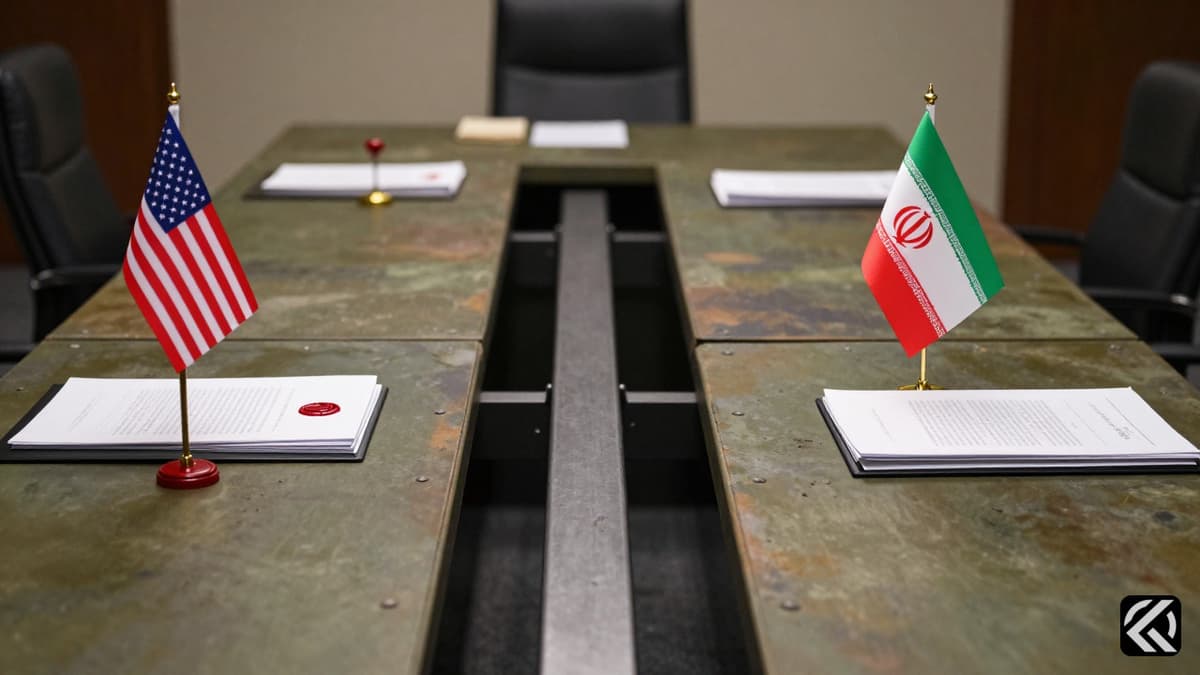
Amidst the chaos, diplomatic channels are attempting to function. Iran's President Masoud Pezeshkian held a call with Pakistani Prime Minister Shehbaz Sharif, thanking Pakistan for mediation efforts to stop the aggression. This dialogue occurred as foreign ministers from Saudi Arabia, Egypt, and Turkey prepared to meet in Islamabad. However, Iran remains sceptical of these diplomatic efforts to halt the war. Meanwhile, Ukraine has officially refuted Tehran's claims that it struck a depot housing Ukrainian anti-drone systems in the UAE, calling the assertion a lie and accusing Tehran of disinformation.
As the situation on the ground worsens, the economic implications are becoming clearer. Saudi Arabia's East-West pipeline, which bypasses the Strait of Hormuz, was reported to be pumping at full capacity of 7 million barrels a day. Crude exports from the Yanbu port have reached 5 million barrels a day, suggesting a strategic shift in energy logistics to mitigate risks to global shipping. However, the Houthi involvement continues to threaten global shipping lanes, adding uncertainty to the already volatile energy markets.
Iran's President Masoud Pezeshkian has publicly praised mediation attempts by Pakistan, yet the country remains deeply sceptical regarding the effectiveness of these diplomatic maneuvers. While foreign ministers from key Arab and regional powers prepare talks in Islamabad, the relentless stream of strikes on the Bushehr nuclear plant and the intensifying attacks on Iraqi soil suggest that diplomatic breakthroughs may be insufficient to halt the momentum of the conflict. With the situation at the nuclear facility deteriorating and the Popular Mobilisation Forces continuing to suffer casualties, the region faces a precarious future where military escalation could outpace diplomatic channels, potentially drawing in more external actors and further destabilizing the Iraq-Israel-Iran war dynamic.
Jun 8, 2026 02:17 UTC
Magnitude 7.8 Quake Shakes Philippines, Urging Immediate Evacuations
Jun 8, 2026 00:51 UTC
Trump Claims Iran Nuclear Deal Imminent Despite Diplomatic Fractures
Jun 8, 2026 00:47 UTC
Iran Fires Missiles at Israel After Beirut Strike
Jun 7, 2026 22:00 UTC
US, Iran Peace Hops Fade 100 Days Into War
Jun 8, 2026 04:15 UTC
Trump Urges Netanyahu to Halt Iran Strike for Peace