
Section
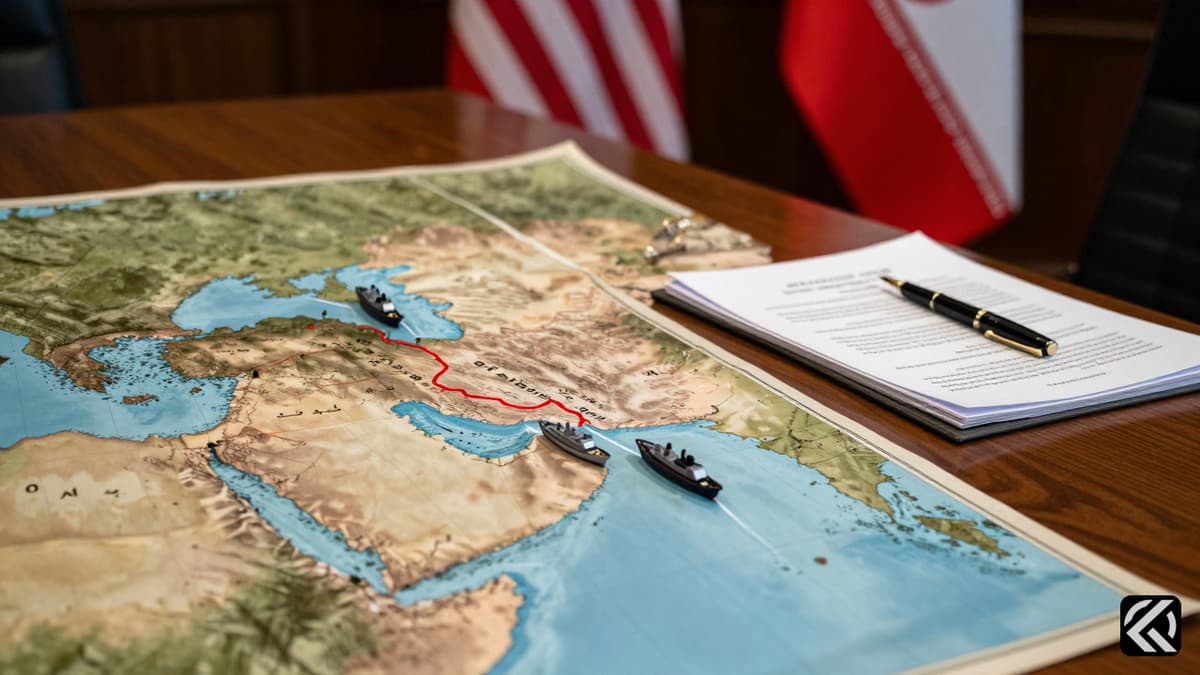
Tensions escalate as Iran reports receiving a US response to its latest peace initiative, though President Trump deems the terms unacceptable, signaling continued military action.
The Iranian government asserts it has received a response from the United States regarding its latest diplomatic initiative, marking a critical development in the ongoing regional conflict. According to Iranian state-linked media, the reply was delivered through Pakistan and is currently under review by Tehran’s foreign ministry. However, the United States has not yet formally confirmed the receipt of this communication, creating a divergence in official narratives regarding the status of the dialogue.
This diplomatic exchange occurs against a backdrop of heightened military tensions and conflicting public statements from President Donald Trump. While Iranian officials claim to be reviewing the US response, Trump publicly stated on Sunday that the proposal was unacceptable to him. He informed Israel's Kan News that the terms offered by Tehran did not meet his expectations, signaling that the window for a diplomatic resolution remains narrow and contentious. The situation underscores the fragility of the current ceasefire and the complex interplay between military pressure and diplomatic overtures.
Iran’s latest Iran peace proposal outlines a 14-point plan that seeks to de-escalate the conflict significantly. The plan demands that Washington withdraw its forces from near Iran’s borders and end its naval blockade of Iranian ports. Furthermore, it calls for a cessation of all hostilities, including Israel’s offensive in Lebanon. A key component of the proposal is the establishment of an agreement between the two countries within 30 days. Iranian state media emphasized that the plan urges both warring sides to focus on "ending the war" rather than merely extending the current ceasefire, aiming for a permanent resolution rather than a temporary pause.
In a significant diplomatic clarification, Iran’s Foreign Ministry spokesman, Esmaeil Baghaei, stated that "at this stage, we do not have nuclear negotiations." This remark addresses a key demand by Washington, which has long insisted on suspending Iran’s nuclear activities as a prerequisite for peace. Iran has repeatedly denied seeking a nuclear bomb, insisting its program is for peaceful purposes. Despite these denials, the country remains the only non-nuclear-armed state to have enriched uranium at near weapons-grade levels, a fact that continues to drive US skepticism.
President Trump’s rejection of the Iranian plan was explicit and pointed. In a Truth Social post on Saturday, he wrote that while he would soon review the plan, he "can't imagine that it would be acceptable." He justified his stance by arguing that Iran had not paid a "big enough price" for its actions over the last 47 years. Speaking to reporters in Palm Beach, Florida, Trump admitted he had been briefed on the "concept of the deal" but expected the exact wording to follow. His demeanor suggested a disinclination to withdraw from the conflict entirely, stating, "we're not leaving" and promising that the US would act decisively to ensure no one has to return to the conflict in the future.
The US approach to the conflict includes aggressive economic and military measures. Trump announced the launch of "Project Freedom," a US-led operation to guide ships safely through the Strait of Hormuz, which Iran has severely limited since the war began in February. Trump warned that any interference with this process would be "dealt with forcefully." Concurrently, the US has enforced a naval blockade on Iranian ports, a move Trump claims does not constitute a continuation of the conflict but rather a necessary measure. This blockade serves as a critical lever in the US strategy, aiming to pressure Tehran economically while maintaining military readiness.
Military threats remain a central feature of the administration’s rhetoric. When asked by the BBC about the possibility of renewed military strikes against targets inside Iran, Trump confirmed it was "a possibility" if Iran were to "misbehave" or "do something bad." This conditional threat leaves the door open for escalation, depending on Iranian actions during the review period. The administration’s stance is one of maximum pressure, combining diplomatic dismissal with the implicit threat of renewed violence to force a more favorable outcome for the US and its allies.
The conflict has also sparked political debate within the United States. Trump argued in a letter to Congress that he did not need legislative approval for the war, claiming the conflict was "terminated" by the ceasefire that took effect on April 8. He contended that the naval blockade did not represent a continuation of hostilities, attempting to bypass the 60-day deadline required by law for congressional approval of military action. Friday marked the 60th day since Trump formally notified Congress of strikes against Iran on March 2. However, this legal maneuvering has not silenced critics.
US lawmakers, including Republicans, are growing increasingly frustrated with the war’s costs and objectives. Senator Josh Hawley called for the redeployment of forces, arguing that Congressional approval is necessary for any continuation of the war. He expressed a desire to "wind it down" rather than provide a "blank check for another endless war." This internal political pressure adds another layer of complexity to the US position, balancing international military commitments with domestic political constraints.
The current standoff between Iran and the US highlights the precarious balance between diplomatic negotiation and military coercion. As Iran reviews the US response to its peace proposal, the likelihood of a quick resolution remains low given Trump’s outright rejection of the terms. The continued naval blockade and the threat of "Project Freedom" indicate that the US will maintain economic pressure while keeping military options open. If Iran perceives the US response as insufficient or threatening, the ceasefire may collapse, leading to renewed strikes. Conversely, if internal political pressure in the US mounts further, it could force the administration into a more constrained diplomatic path. The next 30 days, as specified in Iran’s plan, will be critical in determining whether the region moves toward a permanent peace or deeper conflict.
Jun 11, 2026 12:59 UTC
US Strike on Settebello Kills Indian Sailors Amid Strait of Hormuz Tensions
Jun 11, 2026 12:49 UTC
Air India Flight 171 Crash Sparks Debate Over Boeing 787 Dreamliner Faults
Jun 11, 2026 08:51 UTC
US-Iran Conflict: Indian Seafarers Killed in Gulf Strike
Jun 11, 2026 18:04 UTC
Healey Quits Government Over Defence Spending Dispute


