
Section
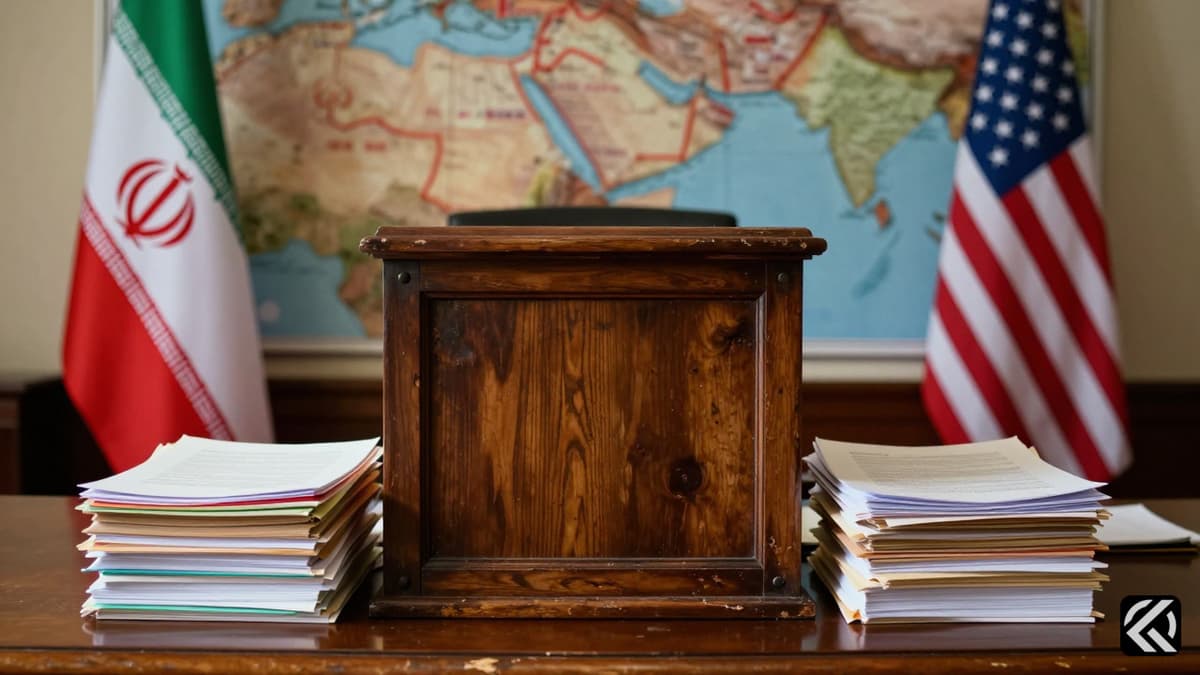
Tensions surge as Iran halts U.S. mediation over Israeli strikes in Lebanon, challenging the fragile diplomatic framework and ceasefire hopes in West Asia.
In a significant escalation of diplomatic tensions, Iran has officially suspended its preliminary peace negotiations with the United States. This decision, reported by the Tasnim news agency on Monday, June 1, 2026, comes directly in response to ongoing Israeli military operations in Lebanon. The suspension marks a critical setback in the fragile efforts to end the broader regional conflict that began on February 28.
The halt in communications was triggered by what Tehran describes as a comprehensive violation of the ceasefire agreement. Iran’s Foreign Minister Abbas Araghchi and Parliament Speaker Mohammad Bagher Ghalibaf had previously warned that the ceasefire between Iran and the U.S. was unequivocally tied to conditions across all fronts, including Lebanon. When Israel continued its military campaign in the region, Iranian officials declared that the violation on one front constituted a violation of the entire agreement.
Iranian negotiators stated that the Zionist regime's actions in Lebanon violated the preconditions for a ceasefire. "The Iranian negotiating team will stop talks and exchange of texts through mediation," the report from Tasnim clarified. This move underscores the deep frustration in Tehran regarding the lack of adherence to the agreed-upon terms by its adversaries.
Amidst this diplomatic freeze, U.S. President Donald Trump attempted to salvage the situation. He claimed to have held productive calls with Israeli Prime Minister Benjamin Netanyahu and Hezbollah leadership. Trump stated that both sides had agreed to stop attacking each other, asserting that any troops moving toward Beirut had been turned back. He further claimed that talks with Tehran were continuing at a rapid pace, although no specific progress was detailed.
Trump's intervention follows weeks of intensifying violence. On April 17, Trump had announced a ceasefire in Lebanon, stating Israel was prevented from striking the country. However, the Israel Defence Forces (IDF) continued operations, capturing more territory in southern Lebanon and striking Hezbollah strongholds in Beirut’s Dahiyeh neighborhood. Netanyahu justified these strikes as necessary responses to ongoing ceasefire violations.
The geopolitical landscape is further complicated by recent military engagements. Earlier in the week, the U.S. Central Command reported striking military targets in southern Iran after Iran shot down an American drone. In retaliation, Iran’s Islamic Revolutionary Guard Corps attacked a U.S. military base in the region. CENTCOM later claimed to have intercepted Iranian ballistic missiles targeting forces in Kuwait, though no injuries were reported.
The collapse of the current negotiation track highlights the difficulty of maintaining peace in the region. The U.S. had recently sent a new proposal to Iran, incorporating additional demands from Trump. However, the combination of sudden framework changes, strikes across the Strait of Hormuz, and Israeli escalation in Lebanon and Gaza has destabilized the process.
Iranian officials remain steadfast in their demands. Esmail Baghaei, spokesperson for Iran’s Ministry of Foreign Affairs, emphasized that a ceasefire in Lebanon is integral to any final agreement. He added that Iran would not reopen the Strait of Hormuz until the U.S. blockade is lifted and the war permanently ends. This stance suggests that any future resolution will require significant concessions from Israel and the U.S. to restore trust.
While Trump maintains that Iran "really wants to make a deal," the current reality on the ground tells a different story. The suspension of talks indicates a loss of momentum and a hardening of positions. As Israel continues to expand its control in Gaza and Lebanon, and as U.S. and Iranian forces exchange blows, the path to a sustainable peace remains obscured by layers of military action and diplomatic distrust.
The immediate suspension of direct communications between Iran and the U.S. creates a dangerous vacuum in conflict resolution mechanisms. Without a direct channel to address violations like the Lebanon strikes, the risk of miscalculation increases significantly. If Israel continues its operations in Lebanon despite Trump's claims of a ceasefire agreement, Iran may escalate its military response, potentially drawing the U.S. deeper into the conflict. The reopening of the Strait of Hormuz remains a critical lever for Tehran, suggesting that economic pressure could become the next battleground. For now, the peace process is in limbo, with all parties waiting to see if the latest diplomatic overtures can overcome the momentum of war. The coming days will determine whether the Iran US ceasefire can be revived or if the region is heading toward a wider confrontation. The Israel Lebanon strikes remain the primary flashpoint, testing the limits of American mediation. Ultimately, the success of future Trump Netanyahu talks will depend on whether military actions align with diplomatic promises, a condition currently not met by the reality on the ground.
The suspension of negotiations signals a deepening crisis where military actions consistently outpace diplomatic initiatives. The inability to enforce a multi-front ceasefire suggests that the current U.S. strategy may lack sufficient leverage over Israel. As tensions remain high in the Strait of Hormuz and Lebanon, the likelihood of a prolonged standoff increases. Future peace efforts will require not just rhetorical agreements, but verifiable de-escalation and adherence to agreed-upon territorial and military boundaries to prevent further unraveling of the peace process.
Jun 11, 2026 12:59 UTC
US Strike on Settebello Kills Indian Sailors Amid Strait of Hormuz Tensions
Jun 11, 2026 12:49 UTC
Air India Flight 171 Crash Sparks Debate Over Boeing 787 Dreamliner Faults
Jun 11, 2026 08:51 UTC
US-Iran Conflict: Indian Seafarers Killed in Gulf Strike
Jun 11, 2026 18:04 UTC
Healey Quits Government Over Defence Spending Dispute


