
Section
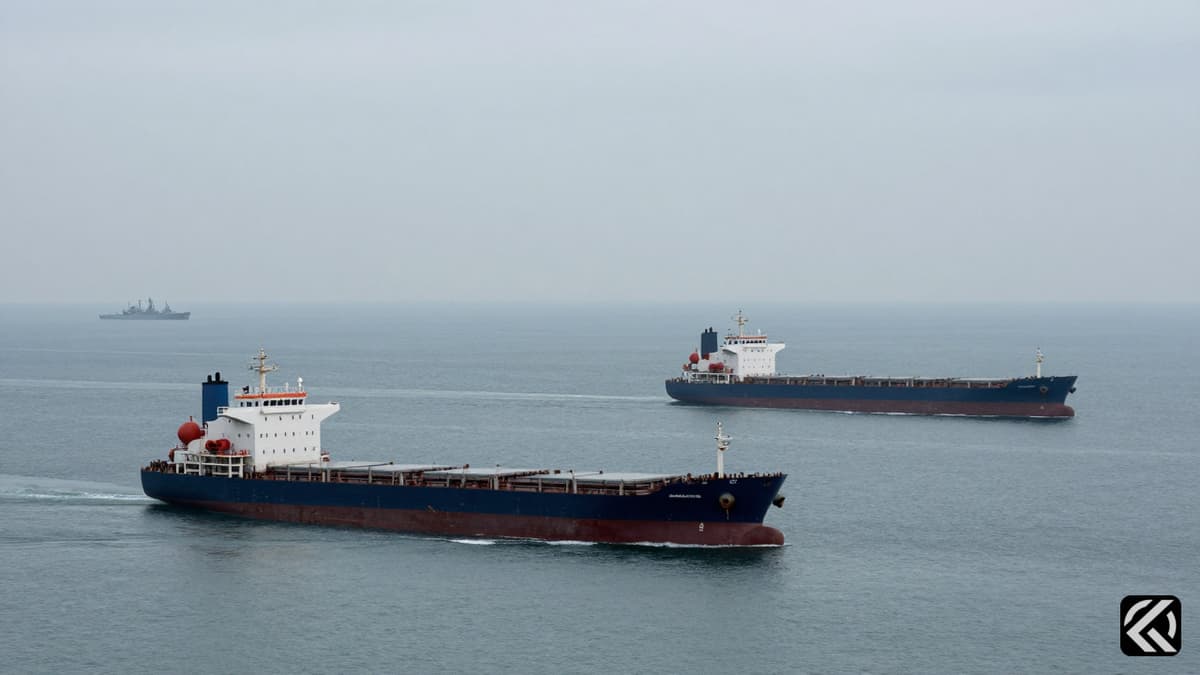
Tehran confirms partial understandings with Washington to end hostilities, though insists a final accord remains distant amid shifting US positions.
In a significant development regarding the ongoing Iran-US war, Tehran announced on Monday, May 25, 2026, that it and Washington have reached understandings on numerous issues aimed at ending the conflict. Despite these partial successes, officials cautioned that a final agreement remains distant and is not imminent. This statement highlights the complex and fragile nature of diplomatic negotiations following the outbreak of hostilities on February 28.
Foreign Ministry spokesman Esmaeil Baqaei addressed the media during a weekly news briefing, providing clarity on the current status of the negotiations. He confirmed that substantial progress had been made, noting, "It is correct to say that we have reached a conclusion on a large portion of the issues under discussion." However, he immediately tempered expectations by asserting, "But to say that this means the signing of an agreement is imminent - no one can make such a claim." Baqaei further accused Washington of displaying "contradictions" and shifting its positions, which contributes to the uncertainty surrounding the timeline of any potential deal.
The remarks come at a critical juncture, as Iran stated it was in the process of finalizing a 14-point framework designed to end the war. This framework is reportedly focused on resolving hostilities across the region, including in Lebanon. Meanwhile, the United States has sent mixed signals; Secretary of State Marco Rubio suggested that a deal to end the war could materialize on Monday, May 25, 2026. In contrast, U.S. President Donald Trump advised his negotiators not to "rush" the process, indicating internal caution within the American administration.
The specific contents of the proposed framework reveal the core priorities of Tehran in these negotiations. Baqaei emphasized that the document excludes details regarding Iran's nuclear program, which has historically been a key sticking point for Washington. Instead, the issue of nuclear capabilities will only be addressed after both sides have agreed upon the broader framework for ending the war. This strategic sequencing underscores Iran's insistence on addressing immediate security concerns before tackling long-standing proliferation issues.
Central to the current framework are clauses addressing the U.S. naval blockade on Iranian ports, which has been in place since April 13. The proposed deal includes provisions for ending this blockade and establishing new arrangements concerning the strategic Strait of Hormuz. Baqaei stated, "U.S. actions under the title of a naval blockade must be stopped, and at the same time, the Islamic Republic of Iran will take the necessary measures for safe transit in the Strait of Hormuz." This dual demand reflects Iran's desire to lift economic pressures while maintaining control over its strategic waterways.
Since the outbreak of the war, traffic through the Strait of Hormuz, a vital global shipping route, has come under Iranian control. Iran has insisted that all vessels obtain permission from its armed forces before transiting the waterway. Prior to this period, traffic through the strait was largely unrestricted under international maritime laws, but the current situation has resulted in Iran allowing only a trickle of ships to pass. The imposition of these controls has significantly disrupted global supply chains and heightened tensions in the region.
Addressing concerns about the economic impact of these controls, Baqaei clarified that Iran was not imposing tolls on ships transiting the strait but was instead collecting fees for "navigational services." He explained, "The services that are provided - navigational services in addition to the measures necessary to protect the environment of the Strait of Hormuz, the Persian Gulf and the Sea of Oman require the collection of certain fees." He added that Iran was "not seeking to collect tolls," attempting to frame the fees as necessary operational costs rather than punitive measures.
This distinction is crucial for international maritime commerce, which relies heavily on the free flow of goods through the Hormuz. The clarification aims to alleviate concerns from global traders who fear arbitrary taxation or harassment by Iranian forces. However, the requirement for prior permission from armed forces remains a significant hurdle for commercial shipping companies. The implementation of these navigational services represents a shift in how Iran exercises its sovereignty over the waterway, blending security protocols with environmental protection arguments.
The ongoing negotiations reflect the high stakes involved for both Iran and the United States. For Tehran, lifting the naval blockade and securing safe transit through Hormuz are immediate economic and military necessities. For Washington, securing the release of any detained personnel and ensuring the freedom of navigation in global waters remain primary objectives. The divergence in their immediate goals, as highlighted by the exclusion of nuclear talks and the focus on immediate conflict resolution, suggests a pragmatic but tentative approach from both sides.
The current state of negotiations between Iran and the United States indicates a cautious path toward de-escalation, though significant hurdles remain. The confirmation of understandings on a large portion of issues suggests that both parties are willing to engage, but the denial of an imminent agreement highlights the depth of their disagreements. The focus on ending the naval blockade and regulating the Strait of Hormuz points to immediate priorities over long-term structural changes. As the 14-point framework nears completion, the coming days will be critical. If the U.S. maintains its stance against rushing the deal, the timeline for a formal cessation of hostilities may extend further. The exclusion of nuclear talks from the current framework implies that deeper, more complex negotiations will follow, potentially leading to a prolonged period of diplomatic maneuvering. The ability of Iran to enforce its navigational controls and the U.S. to lift its blockade will serve as the primary indicators of progress in this fragile peace process.
Jun 11, 2026 12:59 UTC
US Strike on Settebello Kills Indian Sailors Amid Strait of Hormuz Tensions
Jun 11, 2026 12:49 UTC
Air India Flight 171 Crash Sparks Debate Over Boeing 787 Dreamliner Faults
Jun 11, 2026 08:51 UTC
US-Iran Conflict: Indian Seafarers Killed in Gulf Strike
Jun 11, 2026 18:04 UTC
Healey Quits Government Over Defence Spending Dispute


