
Section
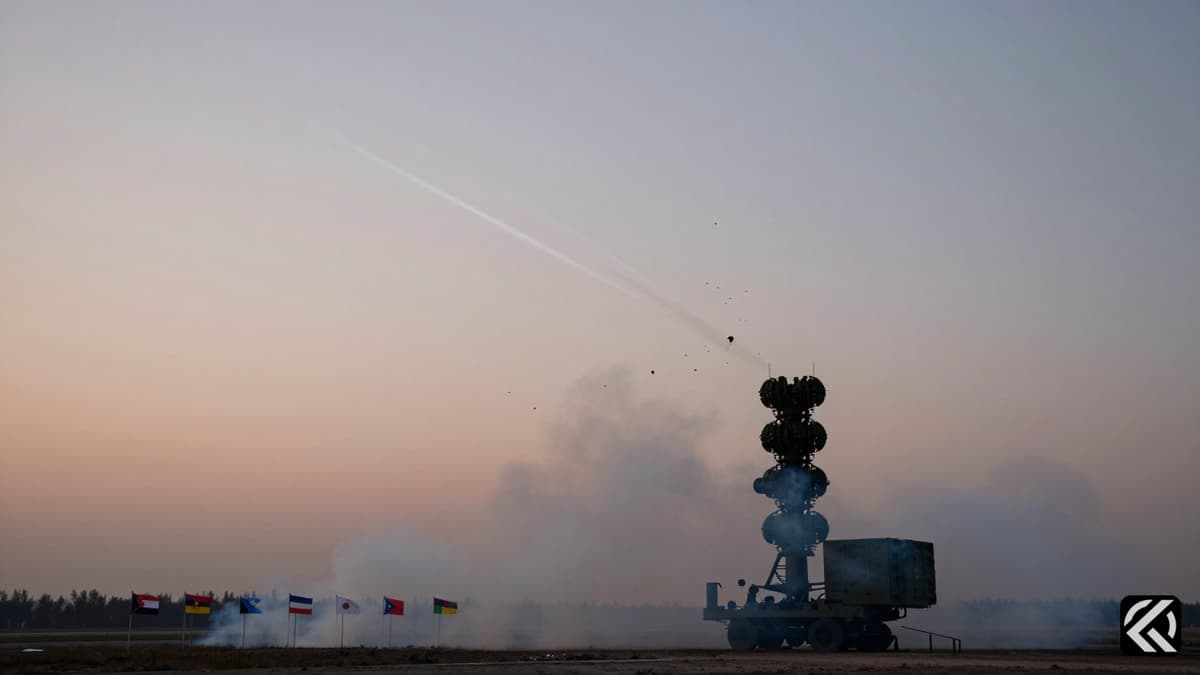
Kuwait’s air defenses intercepted Iranian missile and drone attacks targeting US installations, sparking urgent safety warnings as regional tensions reach a critical boiling point.
Kuwait’s military confirmed that its air defense systems successfully intercepted incoming missiles and drones after residents reported loud explosions across several parts of the nation on Wednesday. This event occurred against a backdrop of intensifying regional tensions in the Gulf, following recent military confrontations involving the United States and Iran. The Kuwaiti Army's General Staff issued a statement confirming that the sounds reported by the public were directly linked to operations carried out by air defense units while dealing with hostile aerial targets. The military emphasized that any explosion sounds heard were the result of these necessary Kuair defense interceptions protecting national airspace.
In its official statement, the General Staff noted that Kuwaiti air defenses are currently confronting hostile missile and drone attacks. The statement explicitly clarified for the public that if explosion sounds are heard, they are the result of air defense systems intercepting the hostile attacks. Following the interception events, the military issued a severe caution to the public against approaching any debris, shrapnel, or unidentified objects that may have fallen as a result of the interceptions. The military warned that such materials could be hazardous to civilian health and safety.
Defence ministry spokesperson Colonel Saud Abdulaziz Al-Otaibi took to the public record to urge citizens and residents to immediately notify authorities through the 112 emergency hotline if they came across suspicious objects. He also appealed to the public to rely only on official information channels and comply with safety directives to ensure collective security. The General Staff of the Army called on everyone to cooperate and adhere to the issued guidelines to preserve the security and safety of all, highlighting the critical need for public compliance during such volatile periods.
Separately, the geopolitical landscape of the region has darkened significantly. Iran's state-run broadcaster, IRIB, claimed that US military installations in Kuwait had been targeted in retaliation for what it described as American "hostile actions" in the Persian Gulf, the Strait of Hormuz, and on Qeshm Island. While the Iranian broadcaster asserted that "American bases in Kuwait were hit" following these hostile actions, this specific claim could not be independently verified at the time of reporting. The assertion underscores the volatile nature of the current diplomatic and military standoff, as US military bases in Kuwait become the focal point of alleged retaliatory strikes.
The incident comes against the backdrop of growing regional tensions following recent military confrontations involving the United States and Iran. The proximity of these events to critical waterways like the Strait of Hormuz suggests that the stakes have risen considerably. While Kuwait has managed to contain the immediate physical threats through its air defense capabilities, the political implications are profound. The unverified nature of Iran's claims leaves room for diplomatic maneuvering, but the physical reality of intercepted missiles and the subsequent safety protocols indicates a serious breach of airspace security.
Experts watching the region note that the involvement of multiple high-value assets-the Kuwaiti military, US installations, and Iranian state media-creates a complex web of potential escalation. The rapid response by Kuwaiti authorities to secure the area and warn citizens demonstrates a high state of readiness, yet it also highlights the fragility of the current security architecture in the Gulf. As Iran US tensions continue to define the geopolitical narrative, the ability of local powers like Kuwait to maintain sovereignty and safety amidst great power rivalries is being tested more than ever.
The confirmed activity of Kuwaiti air defenses, coupled with unverified Iranian claims of hitting US bases, signals a dangerous new phase in Gulf security dynamics. If the Iranian claims hold any truth, it represents a direct challenge to US operational freedom in the region, potentially triggering a wider conflict. Conversely, if the claims are propaganda, it still serves to destabilize the region by inciting fear and uncertainty. The immediate future likely involves heightened surveillance, diplomatic protests, and increased military posture by all involved parties. The safety warnings issued by Kuwait suggest that the physical remnants of the conflict remain a threat, requiring prolonged cleanup and security efforts. This incident is unlikely to be an isolated event but rather a symptom of broader strategic shifts, where proxy engagements and direct threats are merging. The long-term impact could see a permanent militarization of airspace around Kuwait and a further hardening of positions between Washington and Tehran, making de-escalation increasingly difficult for all regional stakeholders.
Jun 11, 2026 17:21 UTC
Bangladesh Opposition Mobilizes Against India-Bangladesh Border Push-Ins and BSF Killings
Join 50,000+ readers getting the global briefing every morning.
No spam. Unsubscribe anytime.
Jun 11, 2026 17:40 UTC
Boelter Pleads Guilty in Minnesota Political Assassinations
Jun 11, 2026 17:21 UTC
Bangladesh Opposition Mobilizes Against India-Bangladesh Border Push-Ins and BSF Killings
Jun 11, 2026 17:21 UTC
John Healey Quits as UK Defence Secretary Over Funding Dispute
Jun 11, 2026 16:19 UTC
UK Defence Secretary John Healey Quits Over Funding Dispute


