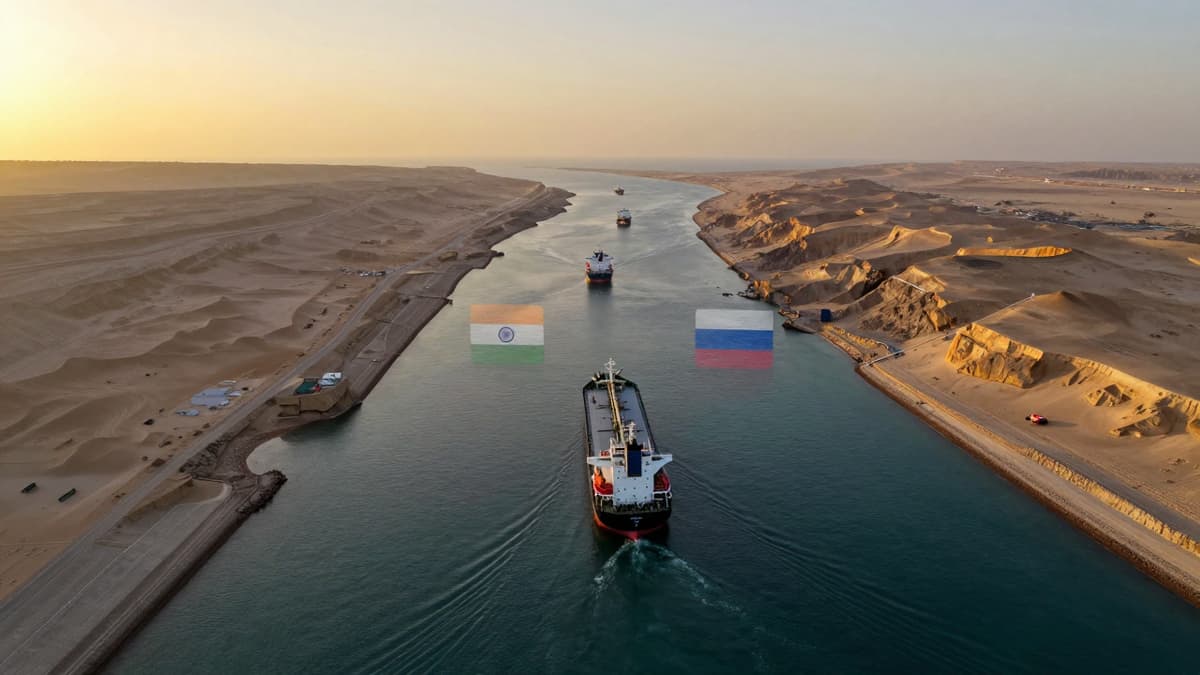
Amidst rising global tensions, Iran has officially authorized select friendly nations to navigate the critical Strait of Hormuz, signaling a diplomatic shift while maintaining a blockade against adversaries.
Iranian Foreign Minister Seyed Abbas Araghchi has confirmed that India and other friendly nations are granted permission to pass through the Strait of Hormuz for commercial shipping. This announcement comes as global oil and gas prices surge following a virtual blockade of the vital waterway, which handles approximately 20% of global oil and LNG.
The decision was made by Iran amidst escalating regional hostilities, as the Foreign Minister clarified that ships linked to Iran's adversaries remain banned from the passage. While the region is described as a war zone with no allowance for enemy allies, the waterway remains open to specific friendly countries including China, Russia, Iraq, and Pakistan.
The announcement marks a critical development in the ongoing geopolitical tension in West Asia. Global markets reacted sharply to the news, with prices rising after the virtual blockade was imposed on the narrow shipping lane connecting the Persian Gulf and the Gulf of Oman. The region has long served as a major source of energy procurement for India, making the status of this passage a matter of national security.
Foreign Minister Araghchi, speaking on Iranian State TV, stated that the country is currently in a state of war. Consequently, there is no reason to permit ships belonging to Iran's enemies and their allies to traverse the strategic waterway. However, he emphasized that the passage remains accessible to those considered friendly. This distinction has been a focal point for international diplomacy, particularly from the United States, where President Donald Trump has warned of severe consequences should Iran fail to fully reopen the waterway.
In the weeks leading up to this statement, India has engaged in significant diplomatic efforts aimed at ending the conflict in West Asia and ensuring the unimpeded flow of energy. New Delhi officials have expressed deep concern that a continued blockade of the shipping lane could have serious ramifications for fuel and fertilizer security. This concern extends beyond India to many other countries reliant on the region's energy exports, highlighting the global stakes involved in the dispute.
The strategic importance of the Strait of Hormuz cannot be overstated, given its role in handling a quarter of the world's oil and LNG. The partial reopening to friendly nations represents a nuanced approach by Iran, balancing its wartime stance with the need to maintain trade relationships with key partners. As the region remains a war zone, the ability of commercial vessels to transit safely remains the primary metric for international stability in the coming months.
India Navigates Blockade with Urgent Energy Security Goals The confirmation of passage rights for select nations suggests a temporary stabilization of the most critical shipping route, yet the underlying conflict remains unresolved. The Foreign Minister's declaration that the region is a "war zone" indicates that the restrictions on enemy ships will likely persist until the conflict de-escalates. For India and other permitted nations, this creates a precarious environment where trade can resume, but the threat of escalation remains high.
Looking ahead, the situation hinges on the response to US warnings and the ability of India and its diplomatic allies to maintain dialogue. If the blockade persists or expands, the impact on global fuel and fertilizer supplies could intensify, potentially forcing further economic adjustments. The continued reliance on this single chokepoint means that any disruption will have immediate and severe global repercussions, making the current diplomatic efforts by New Delhi a critical component of regional stability.
May 10, 2026 13:00 UTC
Iran Delays Response to US War-Ending Proposal
Join 50,000+ readers getting the global briefing every morning.
No spam. Unsubscribe anytime.
May 10, 2026 17:14 UTC
Iran’s Digital Divide Deepens as IRGC-Linked Internet Pro Expands
May 10, 2026 15:47 UTC
PM Modi Calls for Fuel Conservation and Energy Security Measures
May 10, 2026 15:01 UTC
Kristin Smart Case: Search at Paul Flores Family Home Concludes Without Remains
May 10, 2026 13:03 UTC
M. K. Stalin Urges TVK to Continue Welfare Schemes


