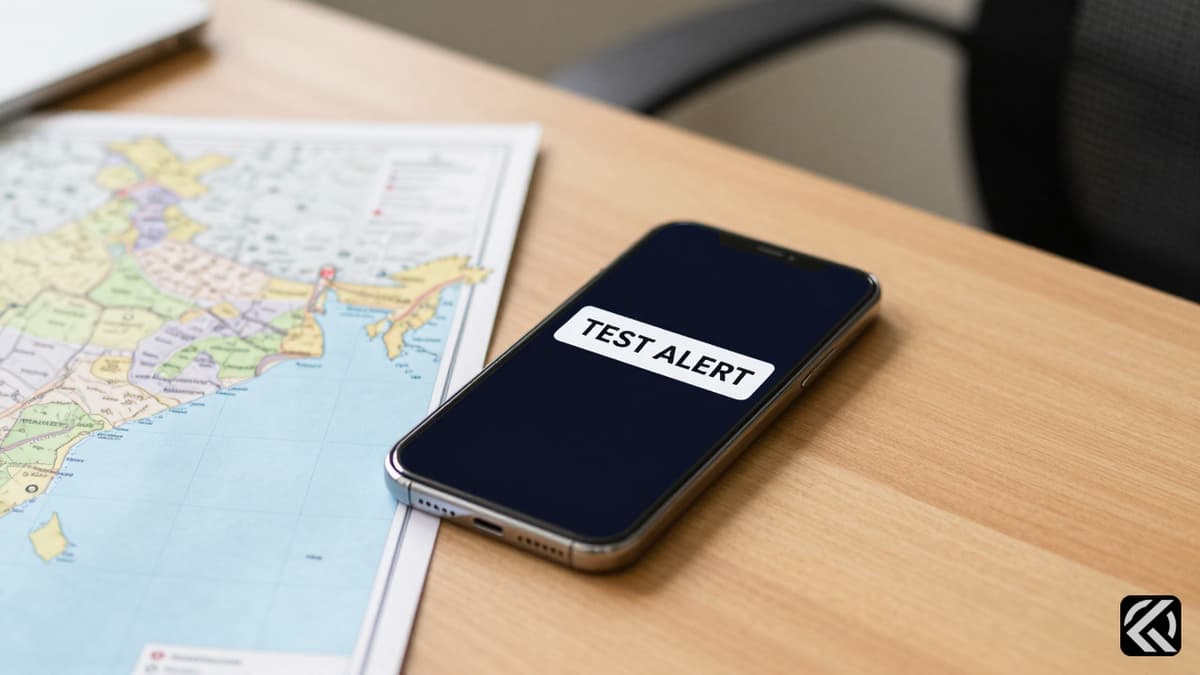
India’s telecom landscape shifts as officials roll out critical emergency warnings via cell broadcast, marking a major step in national disaster preparedness and public safety infrastructure.
Mobile phones across the country have become the latest channel for critical safety information following the official rollout of a new emergency notification infrastructure. This development marks a significant shift in how citizens receive urgent updates regarding potential hazards and sudden incidents.
The initiative comes just days after officials attempted to clarify the purpose of earlier test signals to ensure the public remained calm. By distinguishing between trial runs and active emergency broadcasts, authorities aim to establish trust and clarity in the new communication protocol.
The cell broadcast alert system was officially launched on Saturday by Union Telecom Minister Jyotiraditya Scindia. This new framework is designed to send targeted warnings to mobile users within specific geographic areas, ensuring that alerts reach those most at risk during emergencies. The technology leverages existing mobile network infrastructure to deliver messages without requiring individual subscriptions or app downloads, making it a universally accessible tool for public safety.
Before the official launch, the Department of Telecom had taken proactive steps to manage public perception. On April 29, the Department of Telecom issued a clear alert to citizens regarding the trial run of the service. This advance notice was crucial to avoid panic, especially as users began receiving test notifications on their devices. The department explicitly appealed to the public to ignore any alerts received during the testing phase, ensuring that the initial rollout would not be mistaken for a real crisis.
The distinction between these trial signals and active alerts is vital for the system's success. By separating the testing period from the operational launch, the government has sought to build a foundation of reliability. The system’s primary function is to warn citizens about emergency situations and natural disasters. This targeted approach ensures that resources are not wasted on broad, unnecessary warnings, and that individuals receive relevant information that allows them to take appropriate action.
The rollout represents a technological leap in India’s disaster management capabilities. Traditional methods of communication, such as sirens or social media updates, can be slow or fragmented. Cell broadcast technology, however, operates at the network level, reaching every compatible device in a specific cell tower range simultaneously. This speed and precision are critical in scenarios like floods, earthquakes, or cyclones, where seconds count.
As the system moves from trial to active duty, the focus shifts to maintenance and continuous improvement. The initial launch by Union Telecom Minister Jyotiraditya Scindia signals a strong governmental commitment to leveraging technology for public welfare. The early guidance from the Department of Telecom highlights a careful, methodical approach to implementation, prioritizing public peace and understanding.
India’s adoption of the cell broadcast alert system sets a precedent for rapid, location-specific disaster communication. As the network matures, this infrastructure will likely become integral to national safety protocols, reducing response times and potentially saving lives during future natural calamities. The success of this rollout depends on sustained public trust and continuous technical refinement.

May 2, 2026 17:04 UTC
Germany Prepares for Trump-Linked US Troop Withdrawal
Join 50,000+ readers getting the global briefing every morning.
No spam. Unsubscribe anytime.
May 2, 2026 19:31 UTC
Fresh Polling Ordered in Falta After EVM Tampering Claims
May 2, 2026 17:38 UTC
Ten Dead in Bargi Dam Tragedy as Family Shares Final Call
May 2, 2026 17:04 UTC
Germany Prepares for Trump-Linked US Troop Withdrawal
May 2, 2026 15:16 UTC
Mamata Banerjee Denounces Exit Poll Manipulation in West Bengal