
Section
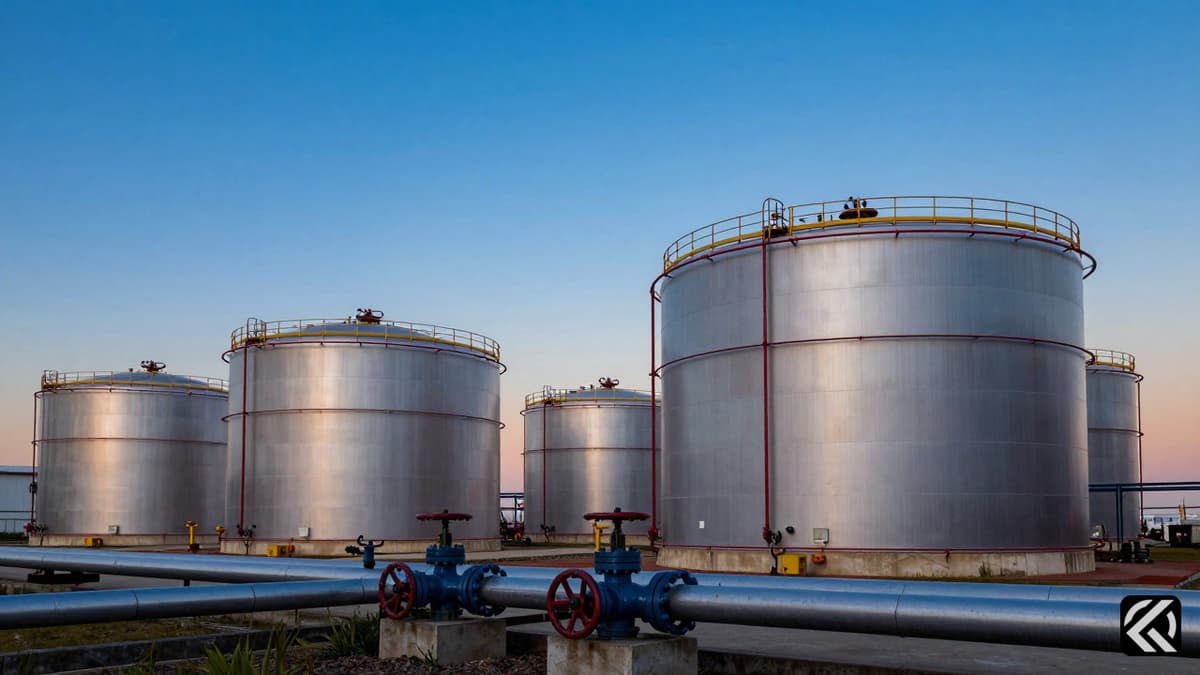
PM Modi’s UAE visit yields critical energy MOUs, expanding India’s strategic oil storage and securing long-term LPG supplies to safeguard against geopolitical shocks.
Prime Minister Narendra Modi’s recent visit to the UAE has resulted in two critical Memorandum of Understanding (MOUs) that significantly bolster India’s energy security. Signed during the visit, these agreements focus on establishing strategic petroleum reserves and ensuring long-term supplies of LPG and LNG, addressing India’s vulnerability to geopolitical disruptions and price volatility.
The urgency of these deals is underscored by India’s dependence on imports for nearly 90% of its crude requirements. Recent geopolitical tensions, particularly the US-Iran conflict and disruptions in the Strait of Hormuz, have exposed the fragility of global supply chains. By securing storage and supply agreements with the UAE, a top-five crude oil supplier to India, the nation aims to mitigate these risks effectively.
The primary component of this diplomatic achievement is the strategic petroleum reserves collaboration between Indian Strategic Petroleum Reserves Limited (ISPRL) and Abu Dhabi National Oil Company (ADNOC). This partnership allows for the potential storage of up to 30 million barrels of ADNOC crude oil within India’s existing facilities in Vishakhapatnam and Andhra Pradesh, as well as future developments in Chandikol, Odisha. Crucially, the agreement also permits India to store oil in Fujairah, UAE. This geographical advantage not only facilitates rapid supply but also offers a vital alternative transit route, reducing India’s dependence on the Strait of Hormuz for oil movement.
In addition to crude oil storage, the second pillar of the UAE India MOU focuses on liquefied petroleum gas (LPG). A strategic collaboration between Indian Oil Limited (IOCL) and ADNOC will facilitate long-term supply agreements for LPG. This is particularly significant as India’s LPG requirements are heavily dependent on Middle Eastern imports, leaving it vulnerable to spot market volatility. The agreement ensures a steady flow of LPG, supporting domestic consumption and government clean cooking fuel initiatives.
The significance of these agreements extends beyond immediate energy supply. The UAE has announced investments worth $5 billion in India, a move that further deepens the economic ties between the two nations. This financial commitment, combined with the energy agreements, revitalizes the India-UAE Comprehensive Strategic Partnership. Experts note that the UAE’s recent withdrawal from OPEC+ allows it to increase oil production, potentially benefiting India through more flexible supply arrangements.
Data from Kpler indicates that India’s crude imports from the UAE have already recovered to pre-conflict levels, highlighting the strong coordination between the two countries despite challenging market conditions. This coordination is now formalized through the new MOUs, providing a framework for enhanced cooperation in upstream investments, refining, and petrochemicals.
Industry experts have praised these developments as transformative for India’s long-term energy strategy. Gaurav Moda, Partner & Leader of the Energy sector at EY-Parthenon India, described the bilateral engagement as “timely and mutually beneficial,” noting that it could pave the way for further government-to-government energy cooperation. He emphasized that such partnerships are crucial given global uncertainties and shared diaspora ties.
Sourav Mitra, Partner at Grant Thornton Bharat, highlighted the “monumental implications” of the strategic reserves. He argued that these reserves provide policymakers with necessary space to respond during crises, shifting the focus from immediate procurement to long-term risk management. According to Mitra, strategic reserves are no longer just emergency assets but strategic instruments that strengthen national resilience against sudden geopolitical disruptions.
Sumit Ritolia, Manager at Kpler, pointed out that the agreements address India’s heavy dependence on imported crude. He noted that enhanced cooperation with ADNOC could improve access to strategic barrels during disruptions and optimize crude stocking strategies. Furthermore, the long-term LPG supply agreement is vital as India’s demand continues to rise due to urbanization and residential consumption growth. Stable contracts will help India manage seasonal demand spikes and reduce exposure to sharp price swings in international benchmarks.
The scope of cooperation extends beyond crude and LPG. The broader framework includes potential collaboration in LNG storage facilities, energy trading, logistics, and cleaner energy transitions. This integration with a reliable Gulf supplier enhances India’s supply chain resilience and supports long-term energy planning. As global energy markets remain sensitive to geopolitical events, these agreements provide a buffer against supply shocks, ensuring that India’s status as the world’s sixth-largest economy is not compromised by external vulnerabilities.
The MOUs signed during PM Modi’s visit mark a definitive shift in India’s energy security architecture. By securing 30 million barrels of storage capacity and long-term LPG contracts, India establishes a robust buffer against future geopolitical instability. The $5 billion investment pledge from the UAE further cements the economic alliance. These moves not only safeguard current energy needs but also lay the groundwork for sustained energy resilience, positioning India to better navigate the volatile global energy landscape in the coming years.
Jun 11, 2026 12:59 UTC
US Strike on Settebello Kills Indian Sailors Amid Strait of Hormuz Tensions
Jun 11, 2026 12:49 UTC
Air India Flight 171 Crash Sparks Debate Over Boeing 787 Dreamliner Faults
Jun 11, 2026 08:51 UTC
US-Iran Conflict: Indian Seafarers Killed in Gulf Strike
Jun 11, 2026 18:04 UTC
Healey Quits Government Over Defence Spending Dispute


