
Section
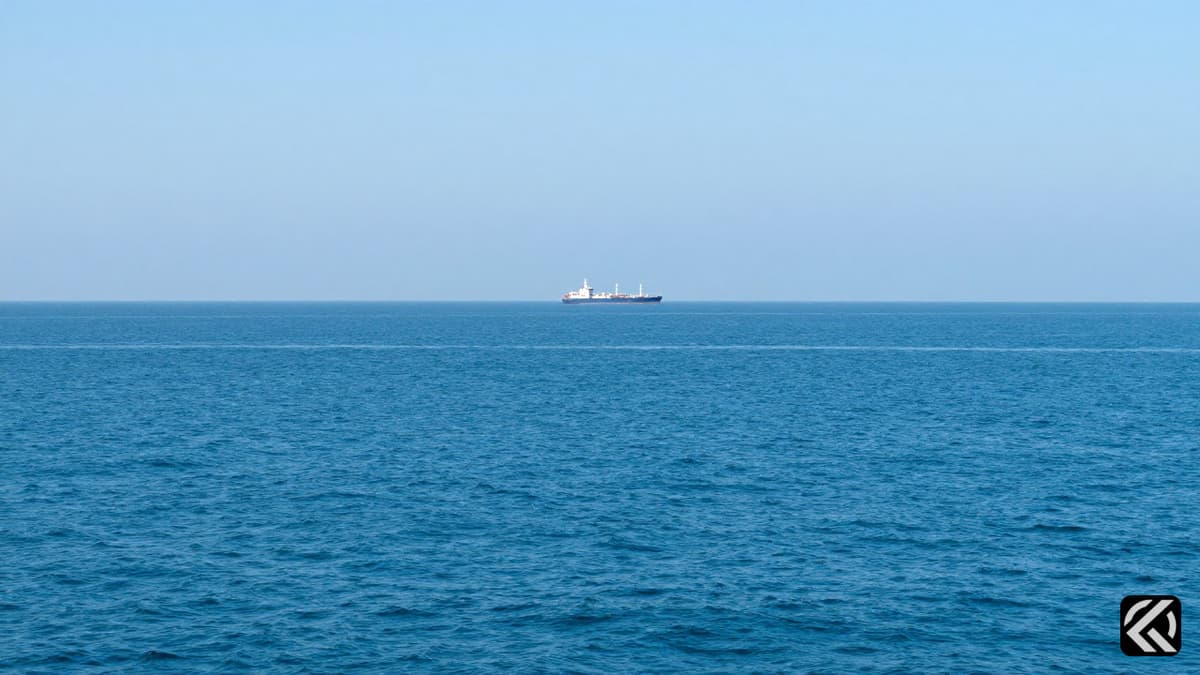
India urges UN Security Council to prioritize civilian safety and end the Iran conflict after national deaths on the Settebello tanker.
India voiced firm opposition to attacks on merchant shipping during the ongoing Iran conflict as it addressed the UN Security Council, highlighting that several of its nationals have died or are missing due to regional violence. Ambassador Harish Parvathaneni, India's Permanent Representative to the UN, expressed deep concern regarding the conflict that began in the Gulf region during Ramadan. He urged all sides to exercise restraint, avoid escalation, and prioritize the safety of civilians. The statement came during an open debate on advancing political solutions in the Middle East through mediation and dialogue. Parvathaneni emphasized that India is firmly opposed to attacks on merchant shipping, noting that many Indian nationals are prominent in the global workforce and are at risk. He stated that many have lost their lives or are missing as a result of attacks against countries in the region and against merchant vessels and sea lanes of communication.
The remarks were made just hours after India summoned U.S. charge d'affaires Jason Meeks in New Delhi to lodge a strong protest. This diplomatic action followed a U.S. attack on the commercial tanker Settebello, which had 24 Indian crew members aboard, off the coast of Oman. Three of these crew members went missing following the incident. This attack occurred two days after a Palau-flagged vessel carrying 24 Indians came under fire from the U.S. Navy while attempting to evade a blockade of Iranian ports. Parvathaneni noted that approximately 10 million Indian citizens live and work in the Gulf region, underscoring that their safety and well-being are of utmost priority to India.
He further explained that India's trade and energy supply chains are heavily dependent on stability in the region, warning that any major disruption would have serious consequences for the Indian economy. The intensification of the Iran conflict and its spread to other nations have evoked great anxiety across the country. Parvathaneni described the mounting destruction, deaths, and cessation of normal economic activities as having deeply impacted India, a proximate neighbor with critical stakes in the security and stability of the region. India strongly reiterated its call for dialogue and diplomacy, advocating for the avoidance of impeding freedom of navigation and commerce. The nation also urged against the military targeting of commercial shipping and the targeting of civilian populations and infrastructure.
New Delhi expressed its support for all efforts aimed at the peaceful resolution of issues. India voiced deep concern over the ongoing conflicts in the Middle East, noting the immense humanitarian and human toll in terms of loss of lives, injuries, and large-scale displacement of vulnerable civilian populations. These conflicts have created impediments to freedom of navigation and have consequently impacted the global flow of commerce. This has led to massive disruptions to established supply chains and global energy supplies. India highlighted the grave humanitarian implications of the situation in Gaza, calling for a sustained ceasefire, humanitarian access, and a credible pathway towards a durable and peaceful resolution. This resolution should be based on a negotiated two-state solution, featuring a sovereign, independent, and viable State of Palestine living side by side in peace and security with Israel within secure and recognized borders.
"This remains the only path to achieve lasting peace and overall prosperity," Parvathaneni said. In a gesture of humanitarian support, he informed the Council that India will be handing over $2.5 million to the United Nations Relief and Works Agency for Palestine Refugees in the Near East (UNRWA) in the coming days. This amount represents the first tranche of Delhi's annual five-million-dollar contribution to the agency. Amid the crisis in Lebanon, India called for respect for Lebanon's territorial integrity and sovereignty. The ambassador emphasized that Indian troops are deployed in the United Nations Interim Force in Lebanon (UNIFIL) and called for ensuring the safety and security of peacekeepers who carry out a vital mandate.
India condemned attacks against UN peacekeepers in Lebanon and called for an immediate and thorough investigation to bring perpetrators to justice. Parvathaneni emphasized that mediation frameworks are not static and must adapt to new realities. He cited the Palestine issue as an example of outdated mediation frameworks that are no longer relevant. He noted that today’s Gaza Peace Plan and the Board of Peace framework are distinct from earlier approaches. India told the Council that raging conflicts and immeasurable human suffering are driving factors for the UN facing questions regarding legitimacy, credibility, and efficacy. Parvathaneni stated that the perception of the UN has changed considerably due to its inability to address conflict situations, partly due to an eight-decade-old, outdated Security Council architecture.
Delhi called for implementing real reforms by expanding both permanent and non-permanent categories in line with current geopolitical realities. The nation argues that the current structure is inadequate for maintaining international peace and security in a modern context. By highlighting the human cost of the conflict and the economic repercussions for nations like India, New Delhi is positioning itself as a mediator focused on stability and humanitarian aid. The immediate future will likely see increased diplomatic pressure on all parties to cease hostilities against commercial entities. The financial contributions to UNRWA suggest a continued focus on humanitarian relief efforts alongside political advocacy. As the conflict persists, the need for adapted mediation frameworks and a secure two-state solution remains critical. The long-term impact will depend on the success of these diplomatic interventions and the reform of international bodies to better reflect current global dynamics.
Jun 11, 2026 17:21 UTC
Bangladesh Opposition Mobilizes Against India-Bangladesh Border Push-Ins and BSF Killings
Join 50,000+ readers getting the global briefing every morning.
No spam. Unsubscribe anytime.
Jun 11, 2026 17:40 UTC
Boelter Pleads Guilty in Minnesota Political Assassinations
Jun 11, 2026 17:21 UTC
Bangladesh Opposition Mobilizes Against India-Bangladesh Border Push-Ins and BSF Killings
Jun 11, 2026 17:21 UTC
John Healey Quits as UK Defence Secretary Over Funding Dispute
Jun 11, 2026 16:19 UTC
UK Defence Secretary John Healey Quits Over Funding Dispute


