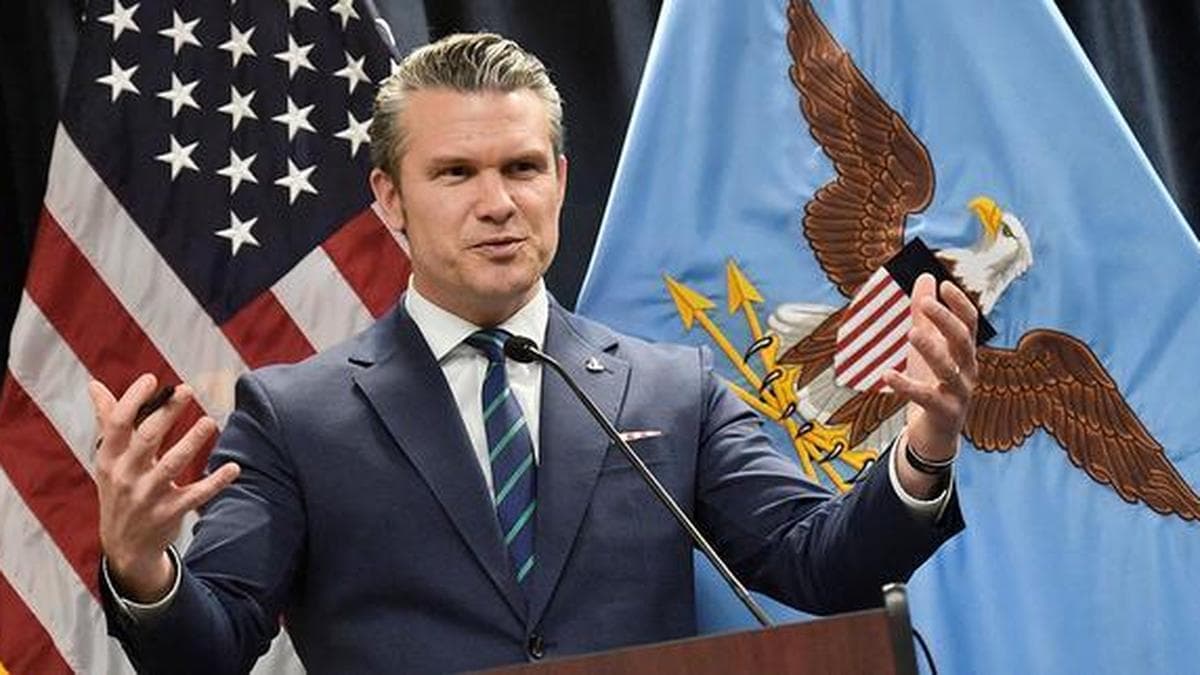
Tensions spike as Trump predicts a quick end while Iran vows to persist, threatening global oil supplies.
The geopolitical landscape has shifted dramatically following recent developments in the ongoing conflict between Israel and Iran. As of Tuesday, March 10, 2026, a stark contrast has emerged between the optimistic assessments from Washington and the defiant stance maintained by Tehran. While U.S. officials assert dominance over the battlefield, Iranian leadership insists on a prolonged struggle that could reshape regional stability for years to come.
The intensity of the conflict has reached new heights with significant military engagements reported across multiple fronts. Hegseth, speaking on behalf of the United States, stated confidently that they are winning the war against Iran. This declaration comes as the U.S. ramps up operations, describing Tuesday as the most intense day of strikes observed so far in this phase of the conflict.
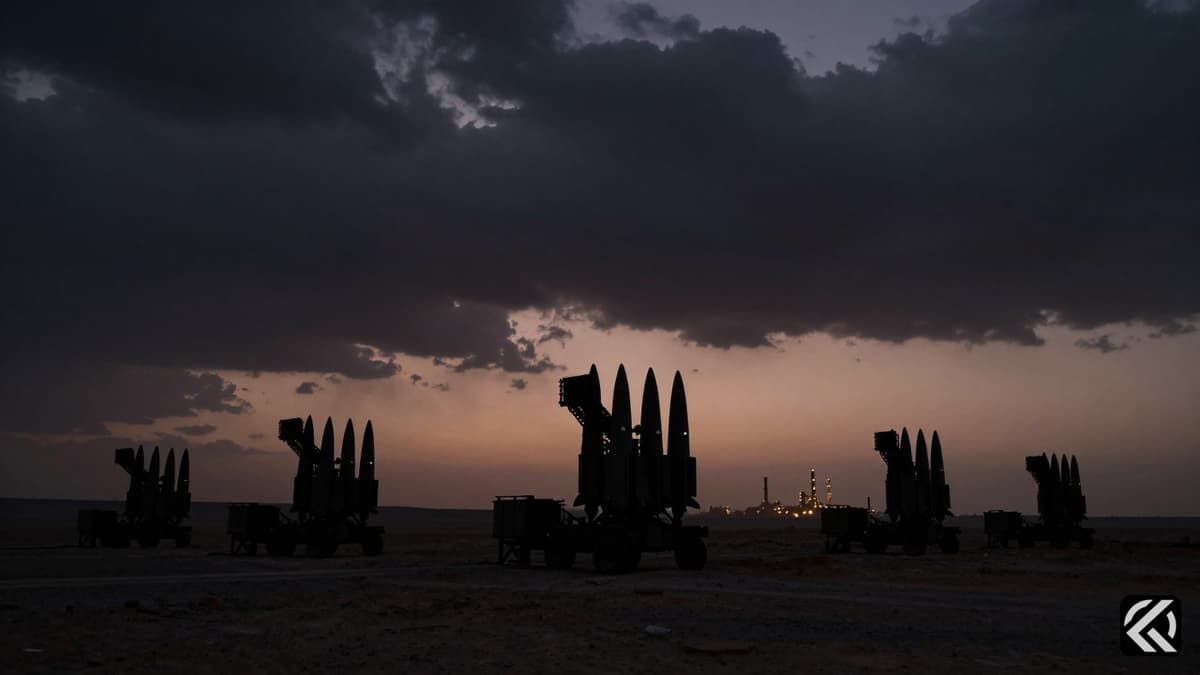
On the ground, the reality for civilians remains dire. Sirens sounded in Jerusalem while sounds of explosions were audible in Tel Aviv, indicating that Israel’s defense systems are actively working to intercept incoming fire. The situation is equally volatile within Iran itself. More than 20 heavy explosions were heard in Tehran, marking what is considered the heaviest air raid on the capital since the war began on February 28. This escalation suggests a rapid intensification of hostilities just weeks after the initial outbreak.
Iran’s Foreign Minister Abbas Araghchi addressed the nation on Tuesday, casting doubt on U.S. President Donald Trump’s insistence that the conflict would be over soon. Araghchi declared that his country would keep fighting as long as necessary. This defiance was underscored by new attacks launched on Gulf Arab countries, including the United Arab Emirates, Saudi Arabia, and Kuwait. These actions demonstrate Iran's strategy of keeping pressure on the region while simultaneously targeting Israeli infrastructure.
Beyond the immediate military exchanges, the economic implications of this conflict pose a severe threat to global stability. The focus has turned sharply toward the Strait of Hormuz, a critical waterway for energy transportation. Saudi Arabia’s Aramco, identified in reports as the world’s top oil exporter, issued a stark warning on Tuesday regarding the potential fallout. They stated there would be catastrophic consequences for the world’s oil markets if the Iran war continues to disrupt shipping through the Strait of Hormuz.

This economic threat has drawn direct intervention from U.S. leadership. President Donald Trump warned on Monday that the United States would hit Iran much harder if Tehran stopped the flow of oil through the Strait. This ultimatum highlights the intersection of military strategy and economic leverage, suggesting that control over energy supplies is a central factor in the conflict's resolution. The potential for market disruption adds urgency to diplomatic efforts, as global economies rely heavily on uninterrupted oil flows from this region.
As violence escalates, international mediation efforts are attempting to find a path toward de-escalation. Russian President Vladimir Putin has offered different options to mediate in the Iran conflict. The Kremlin confirmed on Tuesday that these proposals remain on the table. However, Russia’s position is complicated by its existing alliances; Moscow holds a strategic partnership treaty with Iran and has condemned the joint attack on Iran by the U.S. and Israel.
This diplomatic rift underscores the complexity of the situation. While Putin offers mediation, the Kremlin's condemnation of the US-Israel actions indicates a divergence from Western strategies. The presence of these competing diplomatic channels suggests that resolving the conflict will require navigating not just military realities but also deep-seated geopolitical alliances. As the war continues to intensify, the window for peaceful resolution appears to be narrowing alongside the physical destruction in the region.
The conflict between Israel and Iran continues to expand in scope and intensity as of March 10, 2026. With military strikes reaching their peak and economic threats looming large, the path forward remains uncertain. While U.S. leadership projects confidence and seeks to protect oil flows, Iranian officials remain committed to a prolonged fight. The involvement of global powers like Russia further complicates the landscape, leaving the international community to monitor a situation that could have lasting repercussions for security and energy markets worldwide.
Jun 9, 2026 04:31 UTC
India Condemns Pakistan’s ‘Fitna al Hindustan’ Narrative at UN
Join 50,000+ readers getting the global briefing every morning.
No spam. Unsubscribe anytime.
Jun 9, 2026 02:39 UTC
US Warplane Strikes Tanker MT Marivex; Crew Evacuated in Gulf of Oman
Jun 9, 2026 00:00 UTC
INDIA Bloc Leaders Gather in Delhi to Forge Strategic Unity
Jun 8, 2026 22:55 UTC
Netanyahu Vows Forceful Response to Future Iran Attacks
Jun 8, 2026 20:56 UTC
Netanyahu Halts Iran Fighting, Vows Future Force


