Section
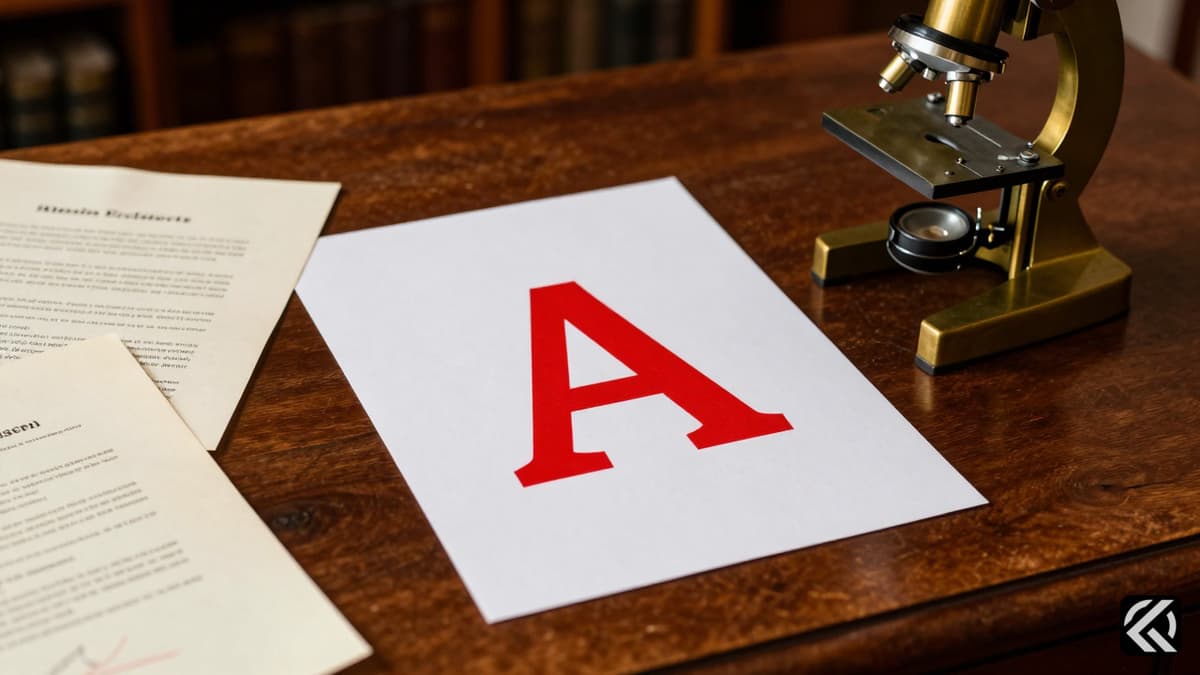
Harvard undergraduates will face stricter grading standards as faculty vote to cap A grades at 20%, aiming to restore the meaning of top marks.
In a decisive move to restore academic rigor, Harvard University is implementing strict limits on top grades. The Faculty of Arts and Sciences has voted to cap A grades for undergraduates, marking a significant shift in university policy. This initiative addresses long-standing concerns about the devaluation of academic excellence.
The decision stems from faculty observations that top grades no longer reliably distinguished exceptional work. Data cited by faculty members revealed that more than 60% of recent undergraduate grades fell into the A range. This ubiquity prompted the Faculty of Arts and Sciences to take one of the most ambitious steps by a major university to curb Harvard grade inflation.
Beginning in fall 2027, instructors in letter-graded courses at Harvard College will be restricted in how many A grades they can award. Specifically, instructors will be allowed to give A grades to no more than 20% of students in a class. Additionally, four students may be awarded an A beyond this percentage limit. Notably, this Harvard A-grade cap does not extend to other letter grades, including A-minus, which remain unrestricted.
This policy is part of a broader strategy known as grade reform. Faculty members also approved a proposal to change how student performance is evaluated for honors, prizes, and awards. Instead of relying solely on grade-point average, the university will now use average percentile rank when comparing students. This shift aims to provide a more nuanced comparison of student achievement across different courses and grading standards.
Amanda Claybaugh, Harvard’s dean of undergraduate education, addressed the complexity of this issue. In a statement on Wednesday, she described grade inflation as a “complex and thorny issue.” She further characterized it as “a problem that many people have recognized, but no one has solved.” Her comments reflect the widespread recognition of the issue within the academic community.

The move by Harvard echoes historical efforts by other elite institutions to manage top grades. Princeton University previously adopted a similar policy in 2004, limiting A-range grades to 35% of those awarded. However, Princeton abandoned this system a decade later. The decision was made after facing criticism that the cap disadvantaged students in their competition for jobs and graduate school admission.
Nationally, the context for Harvard’s decision is stark. According to the U.S. Department of Education, grade-point averages at four-year public and nonprofit colleges rose more than 16% between 1990 and 2020. This national trend highlights the pressure institutions face to maintain high standards while responding to student and employer expectations.
The faculty subcommittee that proposed these changes emphasized the intention behind the policy. Members stated that the vote aimed to ensure “a Harvard A grade will now tell students, as well as employers and graduate schools, something real about what a student has achieved.” They asserted that the reforms would help the grades mean what they say they mean, restoring credibility to the transcript.
Despite the push for limits, there was resistance regarding how courses could manage their grading structures. A separate proposal was presented that would have allowed courses to opt out of the A-grade cap. This opt-out option would have required courses to switch to a satisfactory/unsatisfactory system, utilizing a new SAT+ designation for exceptional performance. However, this alternative measure failed to gain approval from the faculty.
The Faculty of Arts and Sciences, which is Harvard’s largest school, comprises 40 academic departments. It serves as the home for Harvard College, the university’s undergraduate program, and all of Harvard’s Ph.D. programs. This broad scope ensures that the new grading policies will impact a significant portion of the university’s academic landscape.
The new policies are not permanent; they are designed to be evaluated over time. The Faculty of Arts and Sciences will review the effectiveness of these changes after three years. This review period will allow the university to assess whether the caps have achieved their intended goal of distinguishing exceptional work without causing unintended negative consequences.
Harvard’s implementation of a strict A-grade cap signals a potential turning point in higher education standards. By limiting top marks to 20%, the university aims to reverse the trend of Harvard grade inflation that has seen top grades become ubiquitous. The shift to average percentile rank for honors suggests a more comparative and rigorous approach to academic evaluation. While Princeton’s previous attempt to limit grades was short-lived, Harvard’s decision to tie the cap to a three-year review indicates a cautious but serious commitment to long-term grade reform. As employers and graduate schools increasingly scrutinize transcripts, this move may compel other institutions to reconsider their own grading policies. If successful, Harvard’s strategy could influence a broader cultural shift toward valuing the rarity and meaning of academic excellence over the sheer volume of high grades.
Jun 11, 2026 17:21 UTC
Bangladesh Opposition Mobilizes Against India-Bangladesh Border Push-Ins and BSF Killings
Join 50,000+ readers getting the global briefing every morning.
No spam. Unsubscribe anytime.
Jun 11, 2026 17:40 UTC
Boelter Pleads Guilty in Minnesota Political Assassinations
Jun 11, 2026 17:21 UTC
Bangladesh Opposition Mobilizes Against India-Bangladesh Border Push-Ins and BSF Killings
Jun 11, 2026 17:21 UTC
John Healey Quits as UK Defence Secretary Over Funding Dispute
Jun 11, 2026 16:19 UTC
UK Defence Secretary John Healey Quits Over Funding Dispute