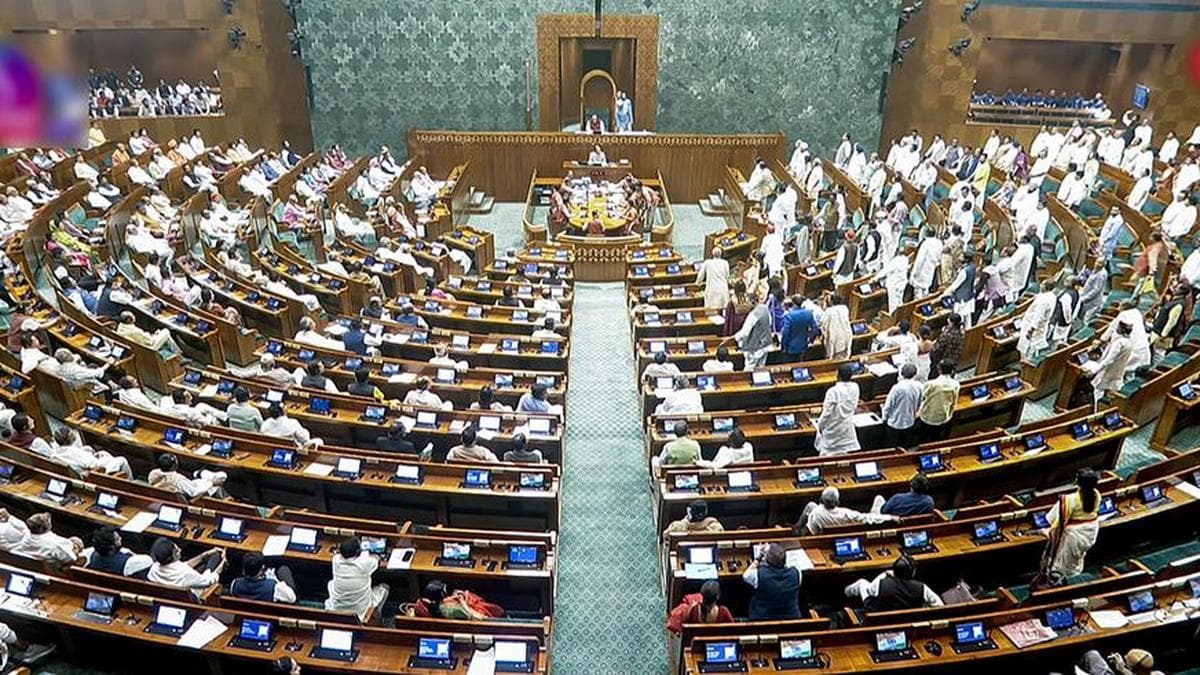
A heated parliamentary session saw the Opposition move a resolution against Speaker Om Birla, sparking accusations of bias and constitutional impropriety.
On Tuesday, March 10, 2026, the Lok Sabha witnessed a significant escalation in parliamentary tensions as a resolution was formally tabled to remove Speaker Om Birla. The session immediately became a battleground of rhetoric, with both treasury and Opposition benches exchanging sharp accusations regarding the Chair's functioning and neutrality. Parliamentary Affairs Minister Kiren Rijiju characterized the motion as a fundamental attack on democracy itself, whereas Congress Deputy Leader Gaurav Gogoi argued that the resolution was a necessary measure to protect the institution’s dignity. With ten hours allotted for the discussion, the proceedings are scheduled to extend into Wednesday, culminating in a decisive vote expected after Union Home Minister Amit Shah intervenes.
The debate began with procedural complexities before substantive arguments were even aired. Congress MP Mohammad Jawed read the notice seeking Mr. Birla’s removal, supported by MPs K. Suresh and Mallu Ravi. However, a row erupted over who would preside. AIMIM MP Asaduddin Owaisi questioned why BJP MP Jagdambika Pal was chairing, citing her appointment by the Speaker himself as a conflict of interest. BJP representatives Nishikant Dubey and Rijiju dismissed this objection as irrelevant, asserting Pal’s competence. Meanwhile, Congress MP K.C. Venugopal highlighted a broader constitutional issue, noting the government had created a vacuum by leaving the Deputy Speaker post vacant for years. Despite these hurdles, more than fifty MPs rose to support the motion, allowing it to proceed to formal discussion.
Gogoi initiated the substantive debate by launching a sharp critique of the Speaker’s conduct. He alleged partisan behavior, stating that the resolution was essential to save the Constitution. He cited specific instances where Leader of the Opposition Rahul Gandhi faced twenty interruptions during the February debate on the Motion of Thanks. According to Gogoi, these interruptions came from the Chair and senior treasury leaders, preventing critical issues from being raised. He argued that microphones were being used to silence MPs rather than facilitate discourse, contradicting House rituals. Furthermore, he claimed Opposition remarks were expunged while treasury allegations remained on record. In defense, Rijiju rejected bias charges, claiming the Speaker provided ample opportunities for Opposition questions and introduced modernizing reforms like paperless Parliament initiatives.

The debate underscores a deepening rift between the ruling establishment and the Opposition over parliamentary decorum. While the government insists the Speaker remains impartial, the Opposition frames the removal attempt as a constitutional safeguard against perceived bias. With the vote scheduled for Wednesday following Union Home Minister Amit Shah's expected intervention, the outcome will likely define the operational neutrality of the House for the remainder of the term.
Jun 9, 2026 20:58 UTC
Trump Demands U.S. Action as Iran Shoots Down Second Aircraft
Join 50,000+ readers getting the global briefing every morning.
No spam. Unsubscribe anytime.
Jun 9, 2026 18:37 UTC
Israel Strikes Tyre Despite Iranian Warnings
Jun 9, 2026 16:42 UTC
IAB Framework Data Practices and User Privacy Choices
Jun 9, 2026 16:07 UTC
Madhya Pradesh Congress Departs for Bengaluru to Avoid Rajya Sabha Elections Pitfalls
Jun 9, 2026 14:27 UTC
US Sea Drone Saves Army Helicopter Crew Near Strait of Hormuz